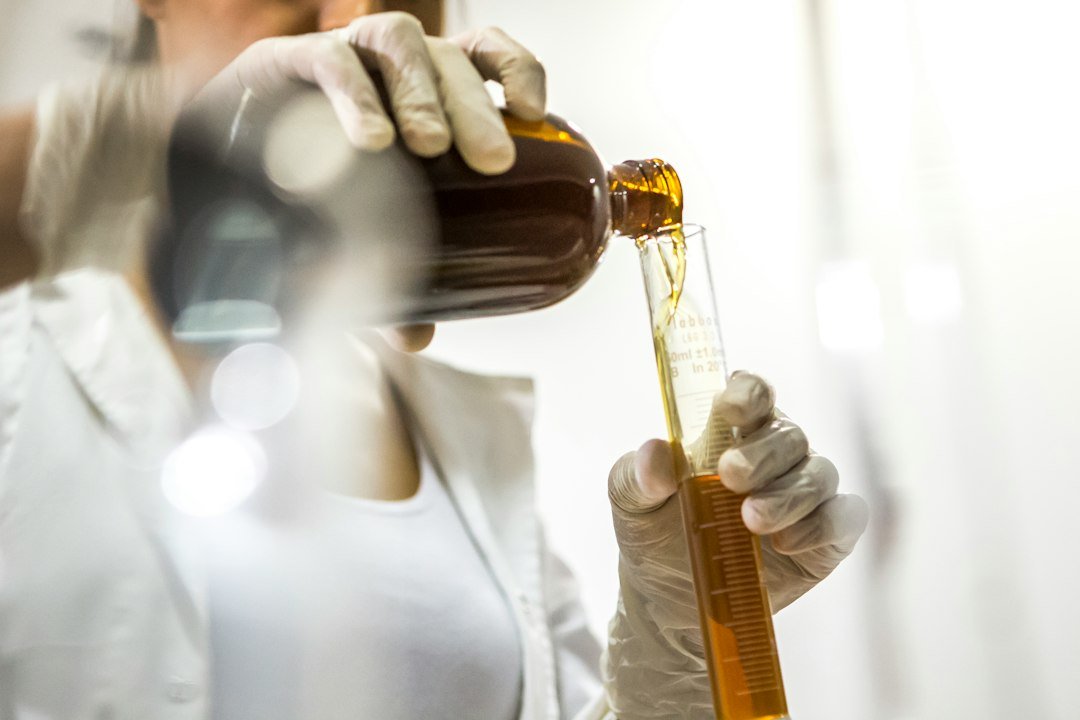
A cannabis testing laboratory in Arizona has reportedly continued to violate state regulations even after receiving a significant fine, according to recent reporting from The Arizona Republic. The ongoing compliance issues raise serious questions about the reliability of testing results that cultivators depend on to bring their products to market.
When Testing Labs Fail, Cultivators Pay the Price
For cannabis cultivators, testing laboratories serve as the final gatekeepers between their harvest and legal sale. When a lab issues a passing result for Total Yeast and Mold (TYM) counts, growers trust that their product meets state safety standards. When that same lab has a documented history of regulatory violations, that trust erodes quickly.
The implications extend beyond individual test results. Repeated rule-breaking at testing facilities creates uncertainty throughout the supply chain. Cultivators face an impossible question: Can they trust their passing results? And perhaps more troubling—can they trust their failing results?
The Hidden Cost of Testing Uncertainty
When cultivators receive a TYM failure, the consequences are immediate and severe. Entire harvests can be quarantined or destroyed. Revenue projections collapse. Production schedules derail. But if the testing facility itself has demonstrated a pattern of non-compliance, cultivators are left wondering whether that failure accurately reflects their product quality—or reflects problems within the lab itself.
This uncertainty cuts both ways. A compromised testing system could theoretically pass contaminated product or fail clean product. Neither outcome serves public health or business sustainability. Cultivators operating in good faith find themselves caught between regulatory requirements and questions about the regulatory infrastructure itself.
Taking Control of Quality Before the Test
Forward-thinking cultivators are increasingly recognizing that the best strategy isn’t to hope for favorable test results—it’s to ensure product quality before samples ever reach a laboratory. This shift in thinking has driven interest in post-harvest remediation technologies that can address microbial contamination proactively.
Cold plasma technology has emerged as a particularly compelling option for cultivators seeking reliable, consistent microbial reduction. Unlike irradiation, which has faced resistance from both consumers and some regulators, cold plasma uses ionized gas to neutralize mold, yeast, and bacteria at the cellular level. The process requires no chemicals, leaves no residues, and preserves the terpene profiles and cannabinoid content that define product quality and value.
Building Resilience Into Your Operation
When testing infrastructure shows cracks, cultivators who have already addressed potential contamination hold a significant advantage. They’re not gambling on lab reliability—they’re presenting product they’ve already verified meets the highest standards.
Cold plasma remediation systems like those developed by Curaflo integrate directly into existing post-harvest workflows, providing cultivators with documented microbial reduction without compromising the characteristics that consumers value. In an environment where testing reliability can’t be taken for granted, that kind of operational control becomes invaluable.
For cultivators navigating an uncertain regulatory landscape, the message is clear: quality assurance starts long before the testing lab. Learn more about cold plasma remediation at curaflo.tech.
Leave a Reply