Category: Uncategorized

  • Canada’s Export Dominance Faces New Quality Pressures

    Canada’s Export Dominance Faces New Quality Pressures

    Canada remains the world’s leading cannabis exporter, but according to recent reporting from MJBizDaily, the landscape is shifting rapidly. For Canadian licensed producers who have built their businesses on export revenue, the margin for error is shrinking as international buyers and regulators become more selective about quality.

    The Stakes of Export-Grade Quality

    International cannabis markets, particularly regulated medical markets in Europe and Australia, enforce strict microbial limits. Total Yeast and Mold (TY&M) counts, aerobic bacteria levels, and pathogen screening are checkpoints that can hold up or reject entire shipments.

    For cultivators, a single contamination failure doesn’t just mean lost product. It can damage hard-won distribution relationships and open the door for competitors to capture that shelf space. As more countries develop their own production capabilities, exporters can no longer rely on first-mover advantage. They must compete on consistent, verifiable quality.

    Why Traditional Remediation Falls Short

    When batches fail microbial testing, cultivators face difficult choices. Irradiation has long been a common remediation option, but it comes with well-known drawbacks. Gamma and e-beam irradiation are widely reported to affect terpene profiles and can leave flower with diminished market appeal. For premium export markets where buyers expect full-spectrum product, that matters. Chemical treatments present their own compliance risks, potentially introducing residues that trigger separate testing failures.

    Cold Plasma: Export-Ready Remediation

    Cold plasma technology offers a fundamentally different approach to microbial remediation. The process uses ionized gas at ambient temperatures to neutralize mold, yeast, and bacteria on cannabis flower, without chemicals, without irradiation, and without the heat that can damage delicate trichomes.

    For export-focused cultivators, the advantages are clear. Cold plasma systems like those developed by Curaflo eliminate pathogens while preserving the terpene and cannabinoid profile that defines premium flower. The treatment leaves no chemical residues, so product can move on to final testing compliant and market-ready, maintaining the quality characteristics that justify premium pricing.

    Protecting Market Position

    Canada’s cannabis export industry was built on early licensing advantages and established supply chains. Maintaining that position requires operational excellence at every stage, from cultivation through final testing. Producers who can guarantee consistent, clean product will retain their edge as competition grows.

    Investing in remediation technology that protects both compliance and quality isn’t just risk management, it’s competitive strategy. Cultivators exploring cold plasma remediation can learn more at curaflo.tech.

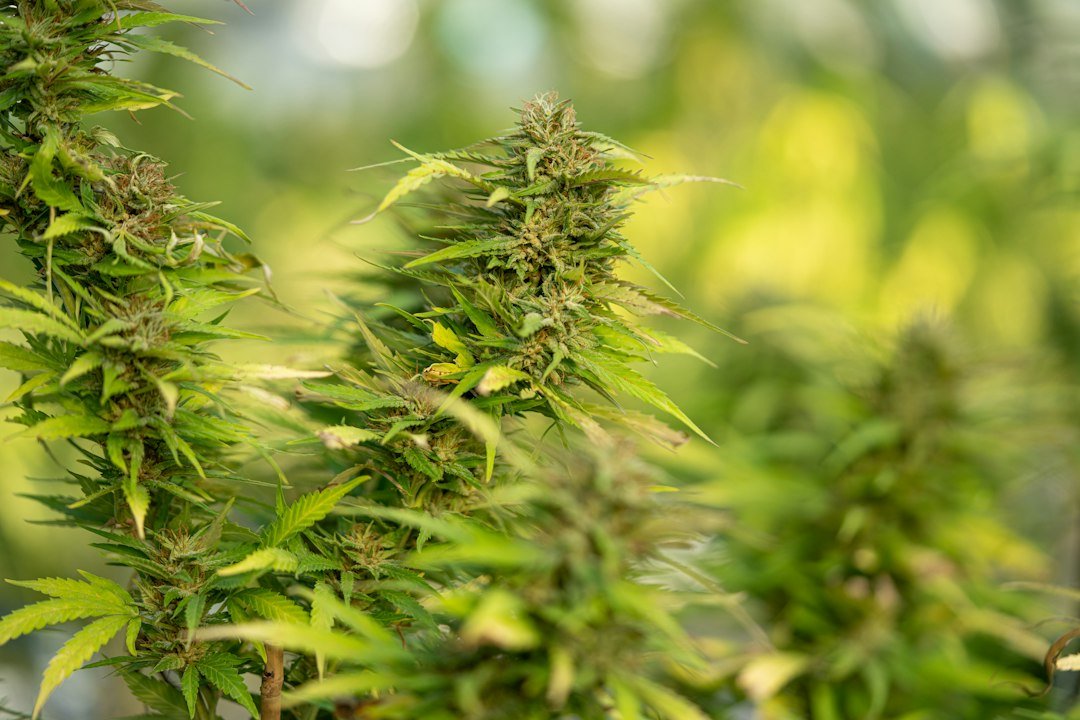
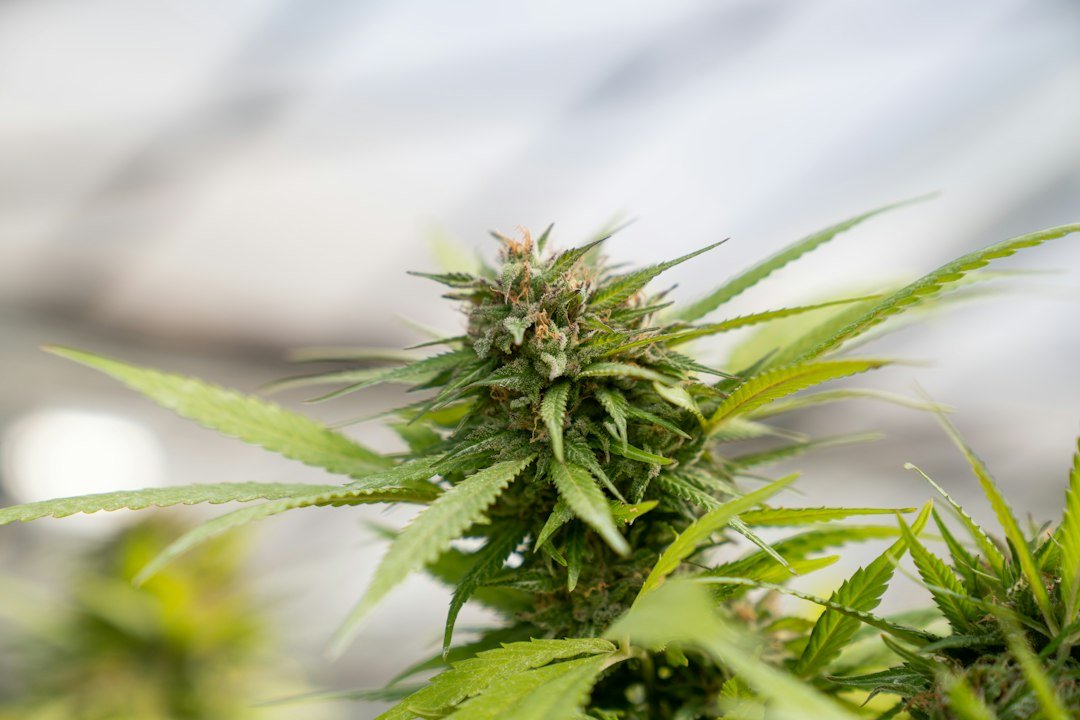
    Photo by CRYSTALWEED cannabis on Unsplash.
  • Europe’s Drying Debate: Why Mold Risk Starts Before GMP

    Europe’s Drying Debate: Why Mold Risk Starts Before GMP

    A regulatory inconsistency is creating compliance headaches, and potential mold risks, for cannabis cultivators exporting to Europe. According to reporting from Hanf Magazin on September 30, 2026, European authorities are drawing the line differently on where GACP (Good Agricultural and Collection Practice) ends and GMP (Good Manufacturing Practice) begins, particularly when it comes to the drying phase of cannabis flower production.

    The Pre-Drying Gray Zone

    The issue centers on pre-drying and initial drying steps. Some European authorities treat these processes as part of agricultural handling under GACP, while others hold them to GMP pharmaceutical manufacturing standards. For cultivators and exporters, that means a patchwork of expectations depending on the destination market.

    Why does this matter? Because drying is one of the stages where mold contamination either takes hold or gets prevented. Cannabis flower with high moisture content is vulnerable to fungal growth if the drying environment is not well controlled. A cultivator who assumes the lighter GACP framework applies, while the buyer expects GMP-level controls, risks batches that fail microbial testing.

    Drying: A Make-or-Break Moment for Microbial Quality

    Industry veterans understand that the period immediately after harvest is among the highest-risk windows for Total Yeast and Mold (TYM) contamination. Warm, moist flower in poorly controlled drying conditions can support Aspergillus, Penicillium, and other spoilage organisms that later trigger compliance failures.

    The disagreement among European authorities means some cultivators may be operating drying rooms without the environmental controls, documentation, and microbial monitoring that stricter GMP interpretations expect. For international exporters, particularly those supplying European medical channels, this ambiguity represents real financial exposure if a batch is rejected after logistics costs have already been incurred.

    Addressing Contamination at the Source

    The most reliable approach is to treat every batch as if it must meet the strictest applicable standard. That means robust environmental controls during drying, including airflow, temperature management, and humidity monitoring, and having a validated remediation option ready for batches that still develop microbial issues.

    Cold plasma technology is one such option for cultivators facing TYM failures, particularly those serving pharmaceutical markets where irradiation is a concern and chemical treatments are unwelcome. Systems like Curaflo use ionized gas to reduce mold and bacteria on flower surfaces without chemicals or irradiation. For the medical market, cold plasma also preserves the terpene profiles and cannabinoid potency that determine product value.

    Planning for Regulatory Reality

    Until European authorities align their interpretations of where GACP ends and GMP begins, cultivators exporting to these markets would be wise to assume the stricter standard applies. Building cold plasma remediation into post-harvest workflows offers a safeguard against contamination that can develop during drying, regardless of which framework technically governs that stage.

    More information on cold plasma remediation is available at curaflo.tech.

  • Massachusetts THC Testing Sting Reveals Deeper Lab Integrity Crisis

    Massachusetts THC Testing Sting Reveals Deeper Lab Integrity Crisis

    Massachusetts cannabis regulators recently conducted a sting operation that identified THC potency inflation. According to reports, roughly one in eight flower samples fell outside acceptable tolerance ranges, a finding that raises questions about testing integrity across the regulated cannabis supply chain.

    The Scope of the Problem

    When regulators find that a meaningful share of products on shelves doesn’t match its labeled potency, the implications ripple through the industry. Cultivators who invest in quality genetics and careful cultivation practices compete against products with potentially inflated numbers. Consumers lose trust, and regulators face pressure to tighten oversight.

    While this particular action focused on THC potency, it spotlights a broader point: testing integrity affects every compliance metric, from cannabinoid profiles to microbial contamination limits. When labs face pressure, whether from market competition or client relationships, the temptation to deliver favorable results can compromise the entire testing framework.

    Why Testing Integrity Matters for Microbial Compliance

    For cultivators, the Massachusetts findings are worth reflecting on beyond potency numbers. If irregularities can surface in one area of testing, it is reasonable to ask what that means for other critical metrics such as Total Yeast and Mold (TY&M) counts.

    Unlike THC percentages, which primarily affect marketing and consumer expectations, microbial testing carries genuine public health implications. A product that passes a compromised microbial test could pose risks to immunocompromised consumers. And when regulators tighten enforcement, cultivators who relied on questionable results may find previously “compliant” inventory suddenly at risk.

    Building Compliance You Control

    The lesson isn’t that testing is unreliable. It’s that cultivators benefit from controlling as many compliance variables as possible before products ever reach a testing lab. Rather than hoping flower will pass microbial screening, forward-thinking operations are integrating remediation into their standard workflow.

    Cold plasma remediation offers cultivators a way to address microbial contamination without the tradeoffs of traditional methods. Unlike irradiation, which can raise terpene and consumer-perception concerns, cold plasma uses ionized gas to neutralize mold, yeast, and bacteria while preserving the plant’s chemical profile. No chemicals are introduced. No radiation is involved. THC and terpene profiles remain intact.

    Proactive Quality Assurance

    As regulatory scrutiny of testing increases, cultivators who can demonstrate consistent, verifiable quality will hold an advantage. Integrating cold plasma remediation means addressing microbial load before flower ships to the lab, reducing failed tests, rejected batches, and the costly scramble to remediate after the fact.

    The technology works by generating reactive species that disrupt microbial cells without damaging plant tissue. It lets cultivators focus on growing quality cannabis while maintaining confidence in compliance outcomes.

    For operations looking to build resilient quality assurance protocols, learn more about cold plasma remediation at curaflo.tech.

  • EU GMP Certification: The Microbial Standards Behind Export Success

    EU GMP Certification: The Microbial Standards Behind Export Success

    Canopy Growth recently announced the renewal of its EU GMP certification at the Kincardine cultivation facility in Canada, reinforcing the company’s position in the international medical cannabis export market. For cultivators eyeing European markets, this news underscores a fundamental reality: EU GMP certification represents one of the most demanding quality standards in global cannabis.

    Why EU GMP Certification Matters for Exporters

    The European Union’s Good Manufacturing Practice framework sets rigorous requirements for pharmaceutical-grade cannabis production. Unlike recreational markets where testing thresholds vary by jurisdiction, EU GMP demands consistent, documented control over every variable that could compromise product safety—with microbial contamination sitting at the top of that list.

    Total Yeast and Mold counts, bacterial loads, and specific pathogen testing under EU GMP standards leave cultivators little margin for error. A single failed microbial test can delay shipments, trigger costly investigations, and jeopardize hard-won certifications that take months or years to obtain.

    The Microbial Challenge in Large-Scale Cultivation

    Maintaining EU GMP-compliant microbial levels throughout an entire harvest presents significant operational challenges. Cannabis flower is inherently susceptible to fungal contamination during cultivation, drying, and curing. Environmental controls help, but even well-managed facilities encounter microbial spikes that push product toward or beyond acceptable limits.

    For facilities like Kincardine that must maintain certification through ongoing audits and batch testing, the pressure is continuous. Every cultivation cycle carries risk, and traditional remediation options often force difficult trade-offs between compliance and product integrity.

    The Remediation Dilemma

    When microbial counts threaten compliance, cultivators typically face limited options. Gamma irradiation effectively reduces yeast and mold but raises concerns among medical patients and can degrade terpene profiles. Chemical treatments introduce residue risks and regulatory complications, particularly for pharmaceutical-grade applications. Simply discarding failed batches means writing off significant investments in labor, nutrients, and facility resources.

    This is where cold plasma remediation technology offers a different path forward. Systems like Curaflo eliminate mold, yeast, and bacteria from cannabis flower without chemicals, without irradiation, and without the heat that destroys volatile compounds. The process preserves THC potency and terpene profiles while achieving the microbial reductions that EU GMP standards demand.

    Building Compliance Into Production

    For cultivators pursuing or maintaining EU GMP certification, cold plasma technology represents a proactive quality control tool rather than a last-resort salvage operation. Integrating remediation into standard production workflows allows facilities to consistently meet strict microbial thresholds without compromising the chemical profiles that define medical-grade cannabis.

    As international markets mature and regulatory frameworks tighten, the cultivators who succeed will be those who solve the microbial equation without sacrificing what makes their flower valuable in the first place.

    Facilities navigating EU GMP requirements or preparing for international export markets can learn more about cold plasma remediation at curaflo.tech.

  • Water Activity Standards: The Missing Link in Cannabis Mold Prevention

    Water Activity Standards: The Missing Link in Cannabis Mold Prevention

    A recent article from Cannabis Industry Journal raises a critical question that cultivators across the country should be asking: if water activity (aw) testing can predict microbial growth before it becomes a compliance failure, why aren’t more state regulators requiring it?

    The Predictive Power of Water Activity

    Water activity measures the amount of unbound water in cannabis flower available for microbial growth. Unlike moisture content, which simply tells you how much water is present, water activity indicates whether that environment can support mold and yeast proliferation. The science is well-established: cannabis flower with water activity below 0.60 aw is generally considered microbiologically stable, while levels above 0.65 aw create conditions where fungi can thrive.

    Despite this knowledge, the Cannabis Industry Journal reports that many state cannabis programs still don’t include water activity in their mandatory testing panels. Cultivators are left testing for Total Yeast and Mold (TY&M) counts at the end of the production cycle—a reactive approach that catches contamination only after it’s already occurred.

    Why This Matters for Cultivators

    The implications of this regulatory gap are significant. Without water activity standards, cultivators may be curing and storing flower under conditions that silently encourage microbial growth. By the time product reaches final compliance testing, mold colonies may have already developed beyond acceptable limits. The result: failed batches, quarantined inventory, and potentially entire harvests headed for destruction rather than dispensary shelves.

    Proper drying and curing protocols guided by water activity monitoring can dramatically reduce the risk of TY&M failures. However, even the most diligent operations face challenges. Variations in plant density, harvest timing, and environmental conditions during drying can create pockets of higher water activity within a batch. Outdoor and greenhouse cultivators face additional variables from weather and seasonal humidity shifts.

    When Prevention Isn’t Enough

    For cultivators who discover elevated TY&M counts despite their best preventive efforts, remediation becomes essential. Traditional approaches present difficult tradeoffs. Gamma irradiation effectively eliminates microbial contamination but raises concerns about product perception and potential degradation of sensitive compounds. Chemical treatments introduce residue risks and may affect the flower’s natural profile.

    Cold plasma technology offers a different path. By generating reactive oxygen species that neutralize mold and bacteria on contact, cold plasma remediation achieves microbial reduction without chemicals, without irradiation, and without the heat that degrades THC and terpenes. The process treats flower in its final cured state, addressing contamination that developed during any stage of cultivation, harvest, or post-harvest handling.

    A Two-Pronged Approach

    The most resilient cultivation operations will likely adopt both strategies: implementing water activity monitoring as a preventive control point while maintaining access to effective remediation technology for batches that still fail compliance testing. As state regulations evolve—potentially incorporating water activity standards in the future—cultivators who understand both the science of prevention and the options for remediation will be best positioned to protect their harvests.

    For operations exploring cold plasma remediation as part of their quality assurance toolkit, Curaflo provides systems specifically designed for cannabis flower at curaflo.tech.

  • Arizona Fungus Recall: Lessons for Cannabis Cultivators

    Arizona Fungus Recall: Lessons for Cannabis Cultivators

    In July 2026, Arizona regulators issued a recall affecting two cannabis products due to possible fungus contamination. The incident serves as another reminder that microbial contamination remains one of the most persistent and costly challenges facing cannabis cultivators across the country.

    Arizona Joins Growing List of Recall States

    Arizona’s regulated cannabis market, while relatively mature compared to some newer state programs, continues to grapple with the same contamination issues that plague cultivators nationwide. Fungal contamination—whether from mold, yeast, or other microbial sources—can develop at virtually any stage of cultivation, drying, curing, or storage.

    What makes these incidents particularly frustrating for operators is their unpredictability. A facility can pass dozens of compliance tests only to see an entire batch fail due to environmental conditions that shifted during a single phase of production. The financial impact extends beyond the recalled product itself: brand reputation suffers, retail relationships become strained, and the operational disruption ripples through the entire supply chain.

    The Root Cause Problem

    Cannabis flower is inherently susceptible to microbial contamination. The plant’s dense flower structure, combined with the moisture content required during cultivation and the organic matter present throughout the growing process, creates conditions where mold and yeast can thrive. Traditional approaches to preventing contamination—improved HVAC systems, stricter environmental controls, enhanced sanitation protocols—help reduce risk but cannot eliminate it entirely.

    When contamination does occur, cultivators face difficult choices. Some batches can be redirected to extraction, though this often means selling at a fraction of the flower’s potential value. In many cases, product must simply be destroyed, representing a total loss on weeks or months of cultivation investment.

    Remediation Without Compromise

    The industry has historically had limited options for addressing contamination after harvest. Irradiation methods, while effective at killing microbes, have faced resistance from consumers and raise questions about their impact on the final product’s quality. Chemical treatments introduce their own compliance concerns and can leave residues that affect both safety testing and consumer perception.

    Cold plasma technology represents a fundamentally different approach to cannabis remediation. The process uses ionized gas to neutralize mold, yeast, and bacteria at the cellular level—eliminating contamination without chemicals, without irradiation, and critically, without degrading the cannabinoid and terpene profiles that define product quality and value.

    This matters because the goal isn’t simply passing a compliance test. Cultivators invest significant resources in developing and maintaining specific genetic profiles, dialing in cultivation parameters to maximize potency and terpene expression. A remediation process that saves a batch from destruction but strips away its defining characteristics isn’t truly solving the problem—it’s trading one loss for another.

    Building Compliance Into Operations

    For cultivators watching Arizona’s recall and wondering how to protect their own operations, the path forward involves acknowledging that contamination risk cannot be fully prevented through upstream controls alone. Having a remediation solution in place before problems occur transforms compliance failures from potential disasters into manageable operational events.

    Cold plasma systems can process flower quickly, preserve product integrity, and provide documentation to demonstrate compliance—turning what would otherwise be a total loss into recovered revenue. For operations scaling production or expanding into new markets with stricter testing requirements, this capability can be the difference between sustainable growth and constant vulnerability to contamination events.

    Curaflo’s cold plasma remediation system is helping cultivators across the industry address these challenges with a solution designed specifically for cannabis flower preservation. Learn more at curaflo.tech.

  • Cannabis Mold Recall Highlights Growing Remediation Gap

    Cannabis Mold Recall Highlights Growing Remediation Gap

    A cannabis product recall issued in mid-September 2026 due to potential mold contamination serves as another reminder of the persistent microbial challenges facing cultivators across the United States. While specific details about the affected products and manufacturer remain limited, the recall follows a familiar pattern that has plagued the industry throughout the year.

    The Recurring Cost of Mold Failures

    Mold and yeast contamination continues to be one of the most common—and costly—reasons for cannabis product recalls and compliance failures. When cultivators fail Total Yeast and Mold (TY&M) testing, the consequences extend far beyond a single batch. Entire harvests can be rendered unsellable, supply chain commitments go unfulfilled, and brand reputation suffers lasting damage.

    For operators already navigating thin margins and intense competition, a contamination event can mean the difference between profitability and closure. The financial toll compounds when product has already been packaged, distributed, or worse—sold to consumers who must now be notified of potential health risks.

    Why Prevention Alone Falls Short

    Most cultivators understand the importance of environmental controls, proper HVAC systems, and rigorous sanitation protocols. Yet even the most diligent operations encounter microbial challenges. Fluctuations in humidity, inconsistent drying conditions, or simply the biological reality of working with organic plant material means contamination can occur despite best efforts.

    The question becomes: what happens when prevention fails? Historically, cultivators facing TY&M failures had limited options. Some turned to irradiation, which raises concerns about terpene degradation and consumer perception. Others explored chemical treatments that introduce their own compliance and safety questions. Many simply absorbed the loss, destroying valuable product rather than risk further complications.

    Cold Plasma: A Third Path Forward

    Cold plasma technology has emerged as an increasingly viable remediation approach that addresses the limitations of traditional methods. The process uses ionized gas to neutralize mold spores and bacteria on cannabis flower without introducing chemicals, radiation, or excessive heat.

    For cultivators concerned about preserving the qualities that determine market value—cannabinoid content, terpene profiles, and overall flower integrity—cold plasma offers a compelling proposition. The technology works at ambient temperatures, avoiding the thermal stress that can degrade volatile compounds.

    Curaflo has developed a cold plasma remediation system specifically designed for cannabis applications. The approach eliminates microbial contamination while maintaining THC levels and preserving the terpene profiles that define strain characteristics and consumer experience.

    Building Resilience Into Operations

    As regulatory frameworks mature and testing requirements become more stringent across state markets, cultivators who build remediation capabilities into their operational planning will be better positioned to weather contamination events. Rather than treating microbial failure as a catastrophic endpoint, forward-thinking operators are beginning to view effective remediation as a standard quality assurance tool.

    The economics are straightforward: the cost of remediation technology is typically a fraction of the wholesale value of product that would otherwise be destroyed. For operations processing significant volume, the math becomes even more favorable.

    Recalls will continue to make headlines as long as cannabis remains an agricultural product subject to biological realities. The cultivators who thrive will be those who prepare for this inevitability with solutions that protect both their product and their bottom line. Learn more about cold plasma remediation at curaflo.tech.

  • Germany Tightens GMP Rules: What It Means for Cannabis Exporters

    Germany Tightens GMP Rules: What It Means for Cannabis Exporters

    A German state authority has issued guidance stating that cannabis flower must be dried at the location where it is grown, a regulatory interpretation that poses significant challenges for international cultivators and exporters relying on EU GMP compliance pathways.

    The End of GMP Washing?

    For years, some cannabis exporters have utilized a practice informally known as “GMP washing”—shipping raw or minimally processed cannabis to EU GMP-certified facilities in Europe for final drying, processing, and certification. This approach allowed cultivators in regions without GMP infrastructure to access the lucrative European medical cannabis market.

    The new German guidance threatens this model. By requiring that drying occur at the cultivation site, authorities are effectively demanding that the entire production chain—from cultivation through initial processing—meet rigorous GMP standards. For cultivators in countries without established GMP certification pathways, this represents a substantial barrier to market entry.

    Why Drying Location Matters

    Regulators view the drying stage as critical for product integrity. Cannabis flower is highly susceptible to microbial contamination during and after harvest. Temperature, humidity, and handling during the drying process directly impact whether the final product will pass Total Yeast and Mold (TY&M) testing requirements that European pharmaceutical standards demand.

    When flower is shipped internationally before proper drying, the risk of contamination increases significantly. Extended transit times, variable storage conditions, and handling at multiple facilities create opportunities for mold and bacteria to proliferate. By insisting on on-site drying, German authorities aim to ensure tighter quality control from the moment of harvest.

    The Compliance Challenge for Cultivators

    This regulatory shift puts pressure on cultivators worldwide who have relied on post-harvest remediation and processing in destination countries. Those exporting to Germany—one of Europe’s largest medical cannabis markets—must now consider substantial infrastructure investments or risk losing market access entirely.

    Even cultivators with excellent growing practices face microbial challenges. Environmental factors, equipment contamination, and the inherent biological nature of cannabis cultivation mean that TY&M failures can occur despite best efforts. The question becomes: how do you achieve pharmaceutical-grade microbial specifications without compromising product quality?

    Cold Plasma: A GMP-Compatible Solution

    Traditional remediation methods present their own compliance issues. Irradiation, while effective against microbes, faces resistance from patients and can degrade terpene profiles. Chemical treatments introduce residue concerns that European regulators scrutinize closely.

    Cold plasma technology offers a different approach. Systems like those developed by Curaflo eliminate mold, yeast, and bacteria from cannabis flower without chemicals or irradiation. The process preserves THC potency and terpene content—critical factors for medical cannabis products where consistent therapeutic profiles are essential.

    For cultivators building GMP-compliant operations at the point of cultivation, integrating cold plasma remediation provides a safety net. Product that might otherwise fail microbial testing can be brought into specification without the quality degradation associated with conventional methods.

    Preparing for Stricter Global Standards

    Germany’s stance likely signals a broader European regulatory direction. Cultivators with international ambitions should anticipate similar requirements emerging in other jurisdictions. Building robust, on-site quality systems now—including effective remediation capabilities—positions operations for long-term market access.

    As compliance frameworks tighten globally, cultivators seeking solutions that satisfy both regulatory requirements and quality preservation can explore technologies like those offered at curaflo.tech.

  • Colorado Recall Exposes Gaps in Cannabis Contamination Response

    Colorado Recall Exposes Gaps in Cannabis Contamination Response

    A Colorado cannabis company has recently recalled dozens of contaminated products on a voluntary basis, a decision made more complicated by ongoing delays in the state’s regulatory response system. A ProPublica report highlights a troubling reality: when contamination strikes, cultivators often find themselves navigating a bureaucratic maze while potentially unsafe products remain in circulation.

    The Regulatory Gap Problem

    The lag time between detection and official action represents a critical vulnerability in Colorado’s cannabis safety infrastructure—one that isn’t unique to the Centennial State.

    For cultivators, this situation illustrates a harsh truth: passing initial compliance testing doesn’t guarantee products will remain compliant through the supply chain. Environmental factors, storage conditions, and time can all contribute to microbial growth that pushes Total Yeast and Mold (TY&M) counts above acceptable thresholds.

    The Financial Toll of Reactive Compliance

    Voluntary recalls carry enormous costs beyond the destroyed product itself. Brand reputation suffers, retail relationships become strained, and the operational disruption can ripple through an organization for months. When regulatory systems move slowly, these costs compound as uncertainty extends the crisis timeline.

    The Colorado situation also raises questions about how many contamination issues go unaddressed when companies lack the internal testing resources to catch problems early. State testing catches problems at specific checkpoints, but microbial contamination is a dynamic challenge that can develop between harvest and sale.

    Prevention vs. Reaction: A Strategic Shift

    The cannabis industry has historically treated contamination as a testing problem—something to detect rather than prevent. But as recalls become more frequent and regulatory scrutiny intensifies, forward-thinking cultivators are investing in remediation technologies that address contamination before it becomes a compliance failure.

    Cold plasma remediation has emerged as a particularly promising approach for flower products. Unlike irradiation, which can degrade cannabinoid and terpene profiles, cold plasma technology uses ionized gas to neutralize mold spores and bacteria at the cellular level. The process requires no chemicals, leaves no residue, and preserves the delicate compounds that determine product quality and market value.

    How Cold Plasma Works

    Cold plasma generates reactive oxygen and nitrogen species that disrupt microbial cell membranes without affecting plant tissue. The treatment occurs at ambient temperatures, which is critical for preserving heat-sensitive terpenes. For cultivators facing TY&M failures, this technology offers a path to compliance that doesn’t sacrifice the characteristics consumers pay premium prices for.

    The technology is particularly relevant for operations dealing with environmental contamination sources that are difficult to eliminate entirely—older facilities, humid climates, or outdoor grows where complete microbial control is impossible.

    Building Resilience Into Operations

    The Colorado recall serves as a reminder that contamination risk management requires multiple layers of defense. Improved facility hygiene, environmental controls, and rapid internal testing all play important roles. But when prevention fails, having access to effective remediation technology can mean the difference between a minor setback and a catastrophic loss.

    As the industry matures and consolidates, operators who can consistently deliver compliant product will have significant advantages over those still playing compliance roulette. Curaflo’s cold plasma system gives cultivators a safety net that protects both product and reputation. Learn more at curaflo.tech.

  • Colorado Cannabis Recall Exposes Cracks in State Testing Systems

    Colorado Cannabis Recall Exposes Cracks in State Testing Systems

    A Colorado marijuana company has voluntarily recalled dozens of contaminated products, according to a ProPublica report published this week. The recall comes amid reported delays in state regulatory response, raising serious questions about the reliability of existing compliance frameworks and the financial exposure cultivators face when contamination issues arise.

    The Growing Cost of Contamination Events

    When a cannabis company initiates a voluntary recall, it typically signals that internal quality controls caught something that made it past initial testing—or that post-market surveillance revealed problems that testing alone couldn’t prevent. Either scenario represents a significant financial hit for the cultivator and everyone downstream in the supply chain.

    The Colorado situation highlights a systemic vulnerability: regulatory agencies are often understaffed and overwhelmed, meaning cultivators cannot rely solely on state oversight to catch problems before products reach consumers. Companies must build their own robust contamination prevention strategies or risk bearing the full weight of recall costs, reputation damage, and potential legal liability.

    Why Testing Alone Isn’t Enough

    Third-party testing remains the cornerstone of cannabis compliance, but it has inherent limitations. Tests represent a snapshot of a small sample at a specific moment. Microbial contamination, particularly mold and yeast, can proliferate during storage and transportation—long after a batch has passed testing.

    This reality puts cultivators in a difficult position. Even with clean test results in hand, environmental factors during curing, packaging, and distribution can push Total Yeast and Mold (TY&M) counts above acceptable thresholds. A batch that tested clean on Monday can fail on Friday if storage conditions allow microbial growth.

    Cold Plasma Technology: A Proactive Approach

    Forward-thinking cultivators are increasingly looking beyond test-and-hope strategies toward active remediation technologies that eliminate contamination before it becomes a compliance failure. Cold plasma remediation has emerged as one of the most promising approaches.

    Unlike irradiation, which can degrade cannabinoids and terpenes while carrying consumer perception baggage, cold plasma uses ionized gas to neutralize mold spores and bacteria at the cellular level. The process requires no chemicals, leaves no residue, and preserves the flower’s original terpene profile and potency.

    This matters for cultivators who have invested heavily in strain genetics and cultivation techniques designed to produce specific flavor and effect profiles. Traditional remediation methods often save a batch from compliance failure only to strip away the characteristics that made it valuable in the first place.

    Building Recall-Resistant Operations

    The Colorado recall serves as a reminder that contamination events can happen to any operation, regardless of size or reputation. The companies that weather these storms best are those with remediation capabilities already integrated into their workflow—not scrambling to find solutions after a failed test.

    Cold plasma systems like those developed by Curaflo can be deployed as a standard step in post-harvest processing, creating a consistent contamination barrier that doesn’t rely on regulatory agencies to function properly or testing to catch every potential issue.

    For cultivators evaluating their contamination risk exposure, the question isn’t whether to invest in remediation technology—it’s whether they can afford not to. Learn more about cold plasma remediation at curaflo.tech.