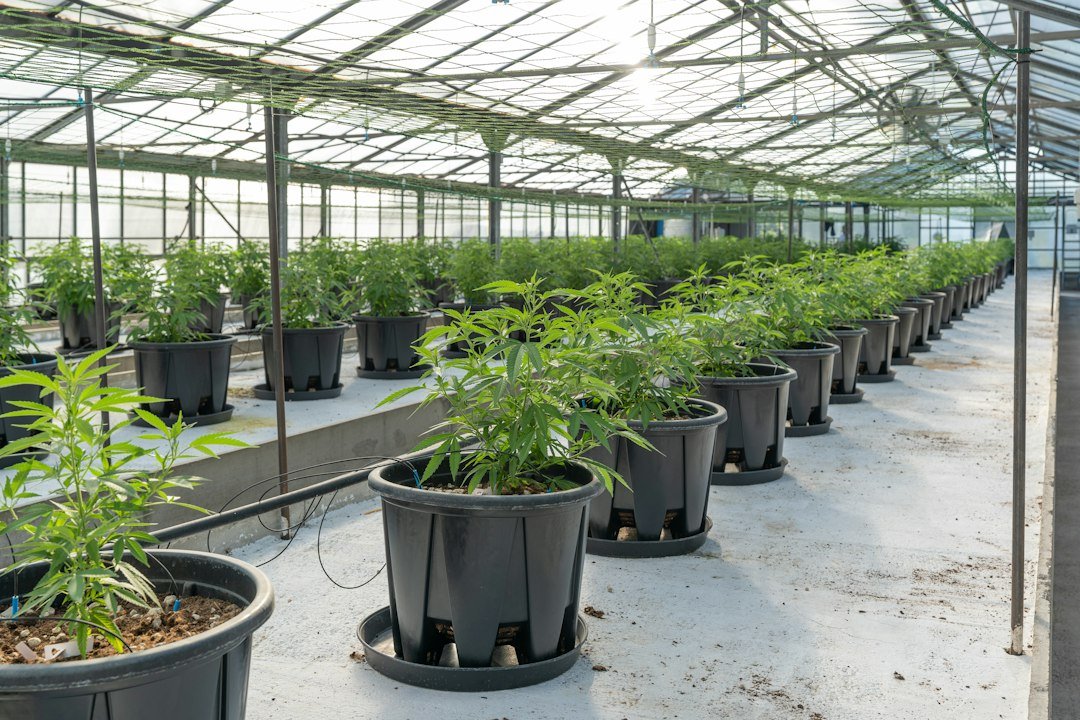
Thailand is positioning itself as a serious player in the international cannabis and hemp trade—but with significantly higher quality barriers. According to Nation Thailand, published October 23, 2026, the country is targeting global cannabis, hemp, and kratom markets by implementing stricter standards. This follows recent cabinet approval of legislation restricting cannabis to medical use only, signaling a broader regulatory tightening across the Thai cannabis sector.
A Shifting Regulatory Landscape
For cultivators and exporters watching Southeast Asia, Thailand’s move represents a significant pivot. After briefly experimenting with more permissive cannabis policies, the country appears to be refocusing on controlled, quality-driven production aimed at legitimate medical and pharmaceutical markets worldwide. Higher standards typically translate to more rigorous testing requirements, particularly around microbial contamination, pesticide residues, and product consistency.
This matters beyond Thailand’s borders. As more countries establish import frameworks for medical cannabis, they increasingly look to supplier nations that can demonstrate robust quality control. Cultivators hoping to access these markets—whether in Europe, Australia, or emerging medical programs across Asia—will face the same fundamental challenge: proving their product is consistently safe and compliant.
The Persistent Challenge of Microbial Compliance
For cannabis flower destined for international markets, Total Yeast and Mold (TY&M) testing remains one of the most common failure points. Environmental conditions during cultivation, drying, and storage can introduce contamination even in well-managed facilities. A single failed batch can mean weeks of lost revenue, damaged buyer relationships, and in export scenarios, potential blacklisting from stringent destination markets.
Traditional remediation approaches often create their own problems. Chemical treatments can leave residues that trigger different compliance failures or raise concerns among regulators and consumers. Irradiation, while effective against pathogens, has documented impacts on terpene profiles and can degrade the very qualities that distinguish premium flower.
Cold Plasma: A Standards-Ready Solution
Cold plasma technology has emerged as an alternative that addresses microbial contamination without the drawbacks of conventional methods. The process uses ionized gas to eliminate mold, yeast, and bacteria at the cellular level—no chemicals involved, no irradiation required. Critically for cultivators targeting quality-conscious markets, cold plasma preserves THC potency and terpene content, maintaining the product characteristics that command premium pricing.
For operations scaling toward export compliance, this matters enormously. Meeting Thailand’s higher standards—or those of any destination market—requires remediation that doesn’t compromise product integrity. Cold plasma systems like those developed by Curaflo offer cultivators a pathway to consistent compliance without sacrificing what makes their flower valuable in the first place.
Preparing for a Quality-Driven Global Market
Thailand’s regulatory shift is part of a broader pattern. As the international cannabis trade matures, quality standards will only tighten. Cultivators who invest now in remediation infrastructure that meets pharmaceutical-grade expectations will be better positioned to access these opportunities. Those relying on outdated methods—or hoping contamination issues simply won’t arise—face increasing risk of being shut out.
For cultivators and exporters navigating these evolving requirements, exploring proven remediation technologies is essential. Learn more about cold plasma solutions at curaflo.tech.
Leave a Reply