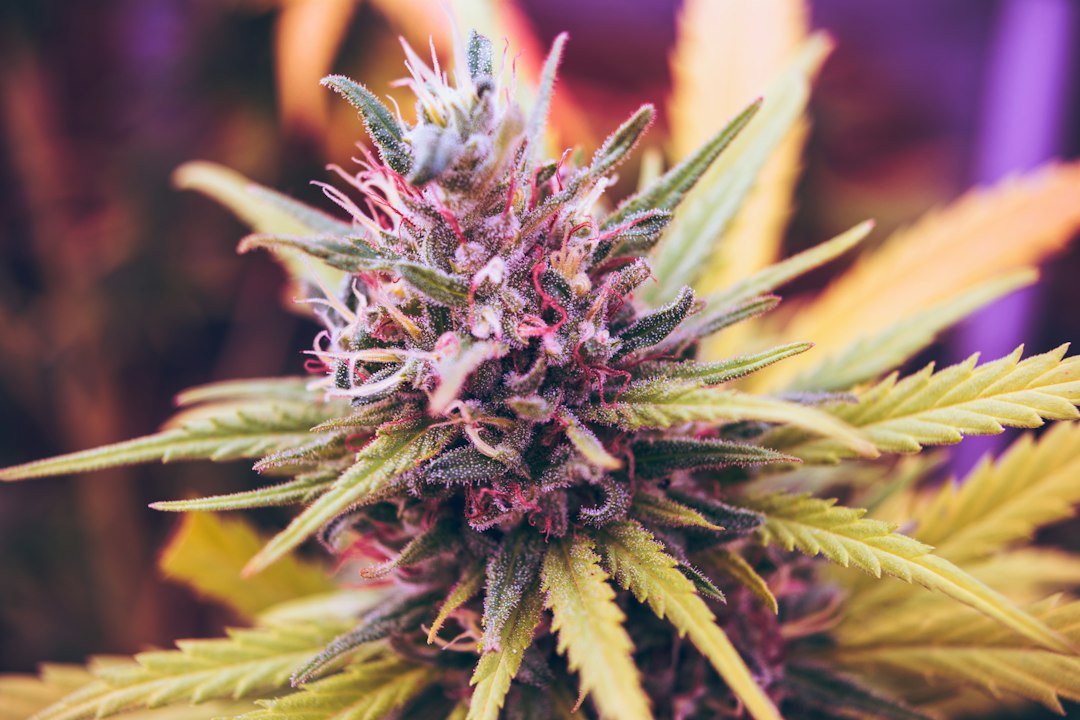
Brazil’s national health regulatory agency, Anvisa, recently launched official guidelines for cannabis cultivation, marking a significant step forward for the country’s emerging medical cannabis industry. As Latin America’s largest market opens its doors to domestic production, cultivators entering this space must prepare for strict quality requirements—particularly around microbial contamination.
A Growing Market Demands Rigorous Standards
The timing of Anvisa’s cultivation guide aligns with broader momentum in Brazil’s cannabis sector. Import authorizations for medicinal cannabis have reportedly increased substantially in recent years, signaling strong patient demand. Domestic cultivation represents the logical next step for reducing costs and improving patient access.
However, cultivators eyeing Brazil’s market should note that regulatory agencies in emerging markets often adopt stringent microbial limits modeled after established frameworks like EU-GMP or USP standards. Total Yeast and Mold (TY&M) counts, bile-tolerant gram-negative bacteria, and specific pathogen testing typically form the baseline for compliance.
Why Microbial Compliance Will Make or Break Brazilian Operations
Brazil’s tropical and subtropical climate presents inherent challenges for cannabis cultivation. High humidity and warm temperatures create ideal conditions for mold and yeast proliferation—the same contaminants that trigger compliance failures worldwide. Cultivators in similar climates across Southeast Asia, Australia, and the southern United States already struggle with elevated TY&M counts despite best practices in environmental controls.
For international operators considering Brazilian partnerships or domestic companies launching cultivation operations, microbial contamination represents the single greatest threat to commercial viability. A harvest that fails TY&M testing cannot be sold, and in tightly regulated medical markets, remediation options are limited.
The Remediation Question: What Works?
Traditional remediation methods present difficult tradeoffs. Gamma irradiation, while effective at reducing microbial loads, faces increasing scrutiny from regulators and consumers alike. Some markets have moved to restrict or ban irradiated cannabis products. Chemical treatments raise obvious concerns for a medical product, and heat-based methods can damage the delicate terpene profiles that distinguish quality flower.
Cold plasma technology has emerged as a compelling alternative for cultivators navigating these constraints. The process uses ionized gas to eliminate mold, yeast, and bacteria without chemicals, without irradiation, and without the heat that degrades cannabinoids and terpenes. For operations targeting premium medical markets—where both compliance and quality command price premiums—this matters.
Positioning for Brazil’s Cannabis Future
Cultivators planning to enter Brazil’s market should consider microbial remediation as a core operational requirement rather than an afterthought. Building remediation capacity into facility planning reduces the risk of catastrophic harvest losses while maintaining the product quality that medical patients deserve.
As Anvisa’s guidelines take shape and domestic cultivation scales up, the operators who solve microbial compliance first will capture market share while competitors struggle with failed batches and regulatory delays.
Companies like Curaflo are working with cultivators globally to integrate cold plasma remediation into their quality assurance workflows—learn more at curaflo.tech.
Leave a Reply