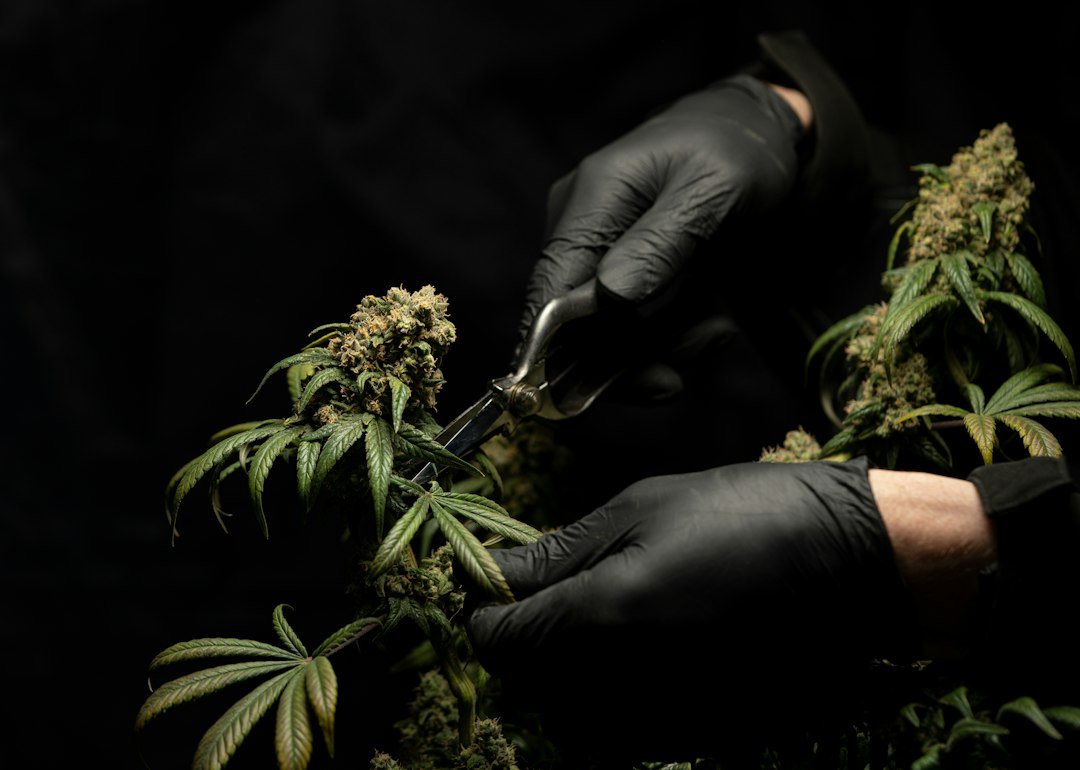
Missouri cannabis regulators issued a recall on September 18, 2026, after laboratory testing detected mold contamination in pre-rolled joints. The recall serves as another reminder that Total Yeast and Mold (TY&M) compliance failures continue to plague cannabis operations across the United States, with pre-rolls representing a particularly vulnerable product category.
Why Pre-Rolls Face Higher Contamination Risk
Pre-rolled products present unique quality control challenges that cultivators and manufacturers must address. The grinding process exposes more surface area of the flower to potential contamination, while the additional handling and processing steps create multiple points where microbial growth can accelerate. Once flower is ground and rolled, remediation options become severely limited.
For Missouri cultivators, this recall carries significant financial implications. Beyond the immediate loss of recalled inventory, affected businesses face reputational damage, potential regulatory scrutiny, and the operational disruption of pulling products from dispensary shelves. In a growing market, these setbacks can determine which operations thrive and which struggle to maintain their footing.
The Upstream Problem
While the recall targets finished pre-roll products, the contamination issue almost always originates earlier in the supply chain. Mold spores present during cultivation, drying, or curing can remain dormant until conditions favor their growth. Traditional quality control measures may catch visible contamination, but microscopic mold below detection thresholds can proliferate after packaging, especially in the warm, enclosed environment of a sealed pre-roll tube.
This reality places the burden squarely on cultivators to address contamination before flower ever reaches manufacturing partners. Waiting until the final product stage to test means discovering problems only after significant value has been added to potentially compromised material.
Cold Plasma: Intervention Without Compromise
For cultivators seeking to eliminate TY&M failures without degrading their product, cold plasma remediation technology offers a compelling solution. Unlike irradiation, which has faced criticism for potentially affecting terpene profiles and raises consumer perception concerns, cold plasma uses ionized gas to neutralize mold and bacteria at the cellular level.
The process requires no chemicals, leaves no residue, and operates at temperatures that preserve the delicate terpenes and cannabinoids that define premium flower. For operations supplying the pre-roll market, treating flower before grinding provides a critical safety margin, ensuring that the material entering production meets compliance standards from the outset.
Protecting Your Supply Chain
Missouri’s recall underscores a fundamental truth about cannabis quality control: contamination is far easier to prevent than to address after the fact. Cultivators who implement remediation protocols at the flower stage protect not only their own inventory but also their relationships with downstream manufacturing partners and retail accounts.
As state regulators continue to refine testing requirements and enforcement practices, operations with robust contamination prevention will hold a significant competitive advantage. Cold plasma technology, such as the systems developed by Curaflo, represents one pathway for cultivators to achieve consistent compliance without sacrificing the product quality their customers expect.
For more information on implementing cold plasma remediation in your cultivation operation, visit curaflo.tech.
Leave a Reply