CuraFlo™ | Cannabis Remediation Equipment for Licensed Cultivators

Author: denaeric@gmail.com

  • California Recall and Farm Shutdown: A Wake-Up Call for Cultivators

    California Recall and Farm Shutdown: A Wake-Up Call for Cultivators

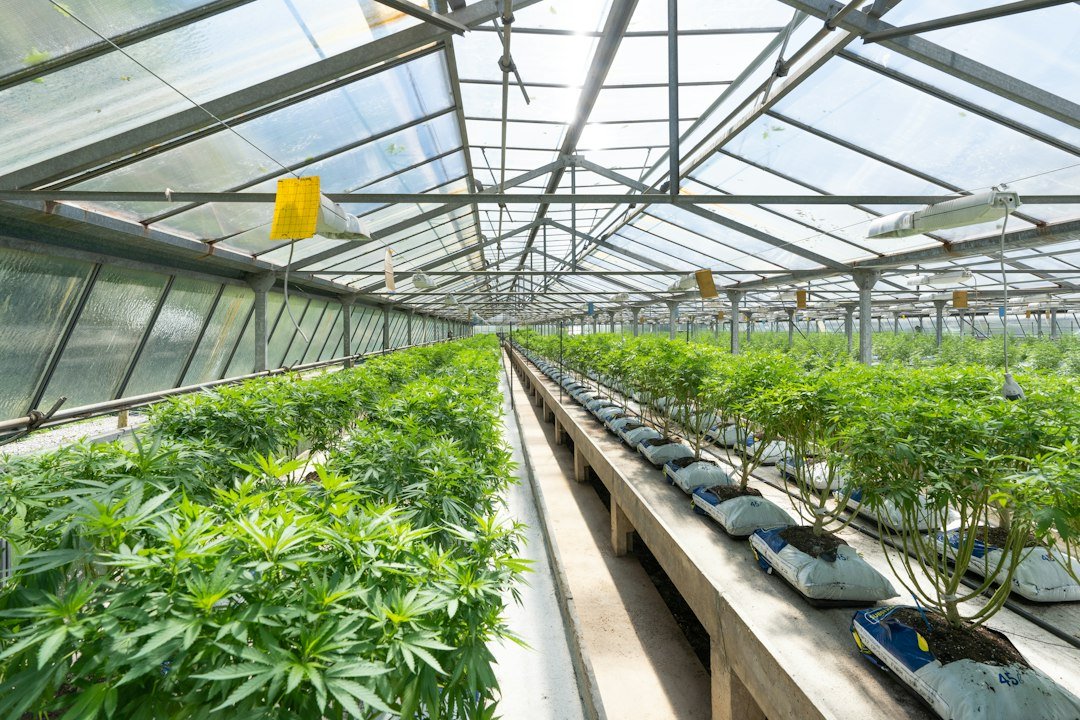
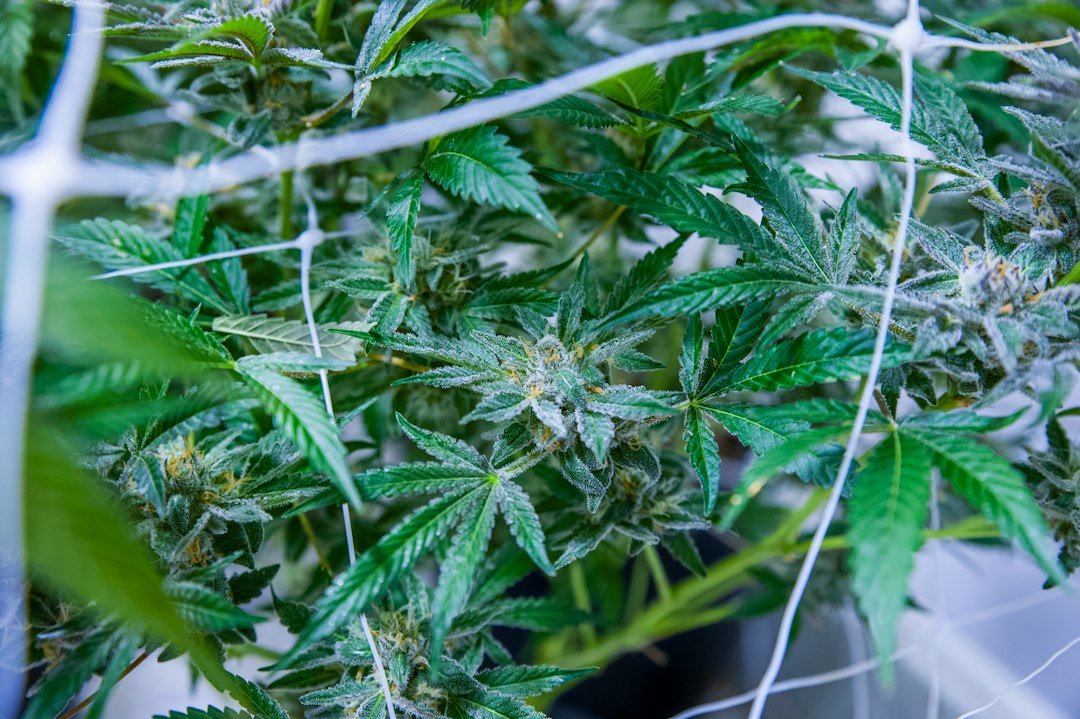
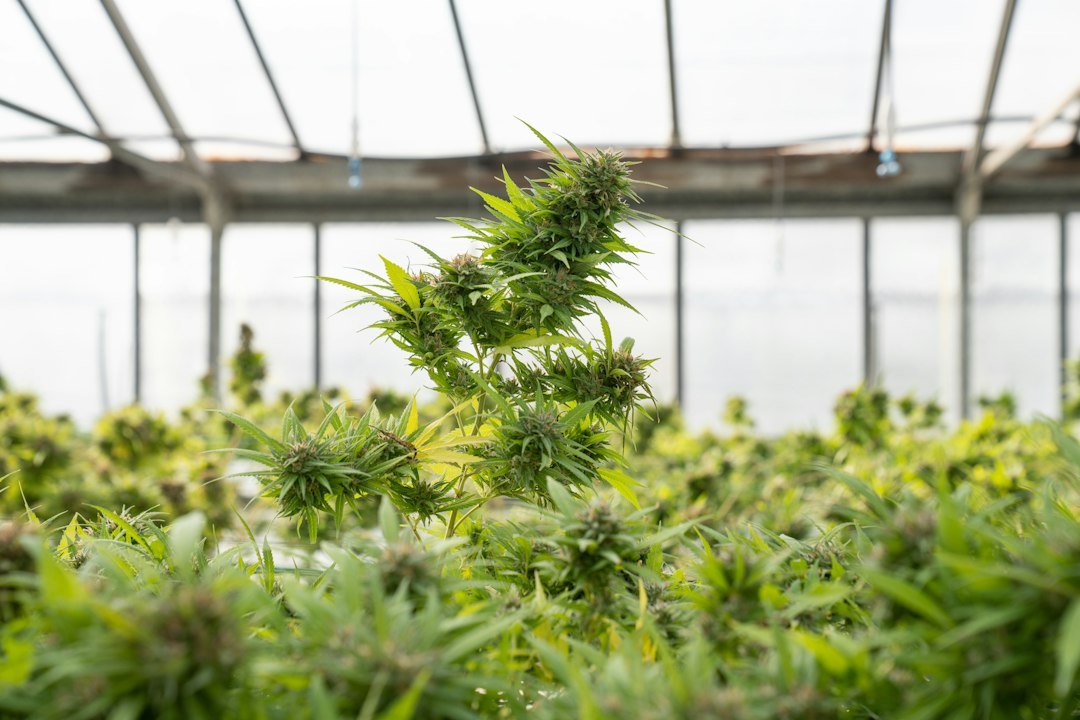
    California cannabis regulators recently recalled products labeled as “adulterated” and shut down a large-scale cultivation operation following a worker death. The enforcement action, reported by MJBizDaily on September 14, 2026, underscores the severe consequences cultivators can face when compliance failures occur at any point in their operations.

    When Enforcement Escalates

    Product recalls are disruptive enough on their own: pulling inventory from dispensaries, managing consumer notifications, and absorbing financial losses. But when regulators shutter an entire operation, the stakes multiply. License suspensions, legal liability, and reputational damage can threaten a business’s survival.

    For cultivators across the country, this incident raises uncomfortable questions: How robust are your quality control systems? Would your operation hold up under regulatory scrutiny?

    The Hidden Vulnerabilities in Post-Harvest

    The California incident involved factors beyond microbial contamination, but it highlights a broader truth: cannabis cultivation involves multiple compliance risks that require systematic management. Among these, Total Yeast and Mold (TY&M) failures remain one of the most common, and most preventable, causes of batch rejections and recalls.

    Microbial contamination can develop at any stage, from cultivation through curing and storage. Humidity fluctuations, improper drying conditions, or contaminated handling equipment can turn a compliant harvest into a failed batch. Unlike compliance issues that emerge from discrete incidents, microbial growth is an ongoing biological process that requires proactive prevention and intervention.

    Building a Comprehensive Quality Program

    Cultivators who want to avoid becoming the next enforcement headline need quality control systems that address risks across the entire operation. That means worker safety protocols, accurate record-keeping, compliant inputs, and effective post-harvest remediation capabilities.

    For microbial compliance specifically, cold plasma technology is one option for eliminating mold and bacteria without compromising product quality. Unlike irradiation, which raises terpene and consumer-perception concerns for many operators, cold plasma remediation leaves no chemical residues.

    Curaflo’s cold plasma system addresses TY&M failures by neutralizing microbial contaminants while preserving THC and terpene content. The technology requires no chemicals and no irradiation, which makes it practical for operators who cannot afford to sacrifice quality.

    Compliance as Competitive Advantage

    Regulators are increasingly willing to take decisive action against non-compliant operations. For cultivators, that creates both risk and opportunity. Those who invest in robust quality control, including effective microbial remediation, position themselves not just to avoid recalls but to build consistent, compliant product.

    The California incident should prompt every cultivator to audit their current compliance posture. Microbial contamination is one risk that modern technology can help manage. Learn how cold plasma remediation fits into a comprehensive quality program at curaflo.tech.
  • Thailand Raises Cannabis Standards: What Global Exporters Must Know

    Thailand Raises Cannabis Standards: What Global Exporters Must Know

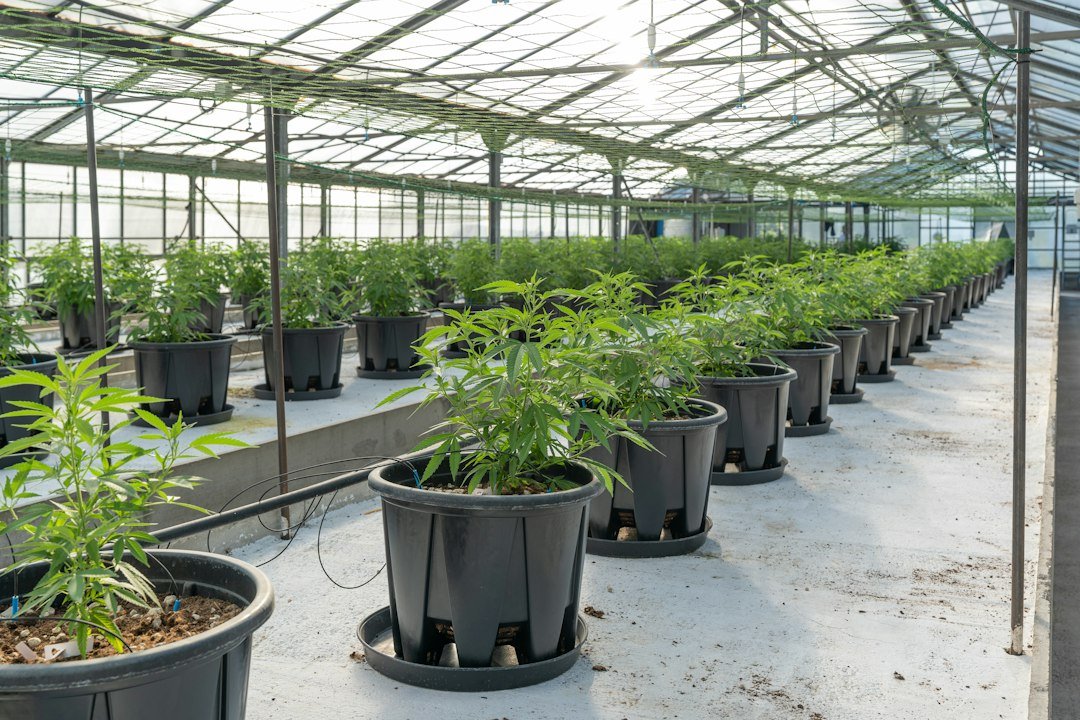
    Thailand is positioning itself as a serious player in the international cannabis and hemp trade—but with significantly higher quality barriers. According to Nation Thailand, published October 23, 2026, the country is targeting global cannabis, hemp, and kratom markets by implementing stricter standards. This follows recent cabinet approval of legislation restricting cannabis to medical use only, signaling a broader regulatory tightening across the Thai cannabis sector.

    A Shifting Regulatory Landscape

    For cultivators and exporters watching Southeast Asia, Thailand’s move represents a significant pivot. After briefly experimenting with more permissive cannabis policies, the country appears to be refocusing on controlled, quality-driven production aimed at legitimate medical and pharmaceutical markets worldwide. Higher standards typically translate to more rigorous testing requirements, particularly around microbial contamination, pesticide residues, and product consistency.

    This matters beyond Thailand’s borders. As more countries establish import frameworks for medical cannabis, they increasingly look to supplier nations that can demonstrate robust quality control. Cultivators hoping to access these markets—whether in Europe, Australia, or emerging medical programs across Asia—will face the same fundamental challenge: proving their product is consistently safe and compliant.

    The Persistent Challenge of Microbial Compliance

    For cannabis flower destined for international markets, Total Yeast and Mold (TY&M) testing remains one of the most common failure points. Environmental conditions during cultivation, drying, and storage can introduce contamination even in well-managed facilities. A single failed batch can mean weeks of lost revenue, damaged buyer relationships, and in export scenarios, potential blacklisting from stringent destination markets.

    Traditional remediation approaches often create their own problems. Chemical treatments can leave residues that trigger different compliance failures or raise concerns among regulators and consumers. Irradiation, while effective against pathogens, has documented impacts on terpene profiles and can degrade the very qualities that distinguish premium flower.

    Cold Plasma: A Standards-Ready Solution

    Cold plasma technology has emerged as an alternative that addresses microbial contamination without the drawbacks of conventional methods. The process uses ionized gas to eliminate mold, yeast, and bacteria at the cellular level—no chemicals involved, no irradiation required. Critically for cultivators targeting quality-conscious markets, cold plasma preserves THC potency and terpene content, maintaining the product characteristics that command premium pricing.

    For operations scaling toward export compliance, this matters enormously. Meeting Thailand’s higher standards—or those of any destination market—requires remediation that doesn’t compromise product integrity. Cold plasma systems like those developed by Curaflo offer cultivators a pathway to consistent compliance without sacrificing what makes their flower valuable in the first place.

    Preparing for a Quality-Driven Global Market

    Thailand’s regulatory shift is part of a broader pattern. As the international cannabis trade matures, quality standards will only tighten. Cultivators who invest now in remediation infrastructure that meets pharmaceutical-grade expectations will be better positioned to access these opportunities. Those relying on outdated methods—or hoping contamination issues simply won’t arise—face increasing risk of being shut out.

    For cultivators and exporters navigating these evolving requirements, exploring proven remediation technologies is essential. Learn more about cold plasma solutions at curaflo.tech.

  • Water Activity Standards: The Missing Link in Cannabis Compliance

    Water Activity Standards: The Missing Link in Cannabis Compliance

    Cannabis Industry Journal recently posed a question that should concern every cultivator in the United States: if science has established water activity as the key predictor of microbial growth in cannabis flower, why are most state regulatory frameworks ignoring it?

    The Science States Are Overlooking

    Water activity (Aw) measures the amount of unbound water available in a product for microbial metabolism. Unlike simple moisture content, water activity directly predicts whether mold, yeast, and bacteria can proliferate. The scientific consensus is clear: cannabis flower with water activity below 0.60 Aw is essentially inhospitable to microbial growth, while flower above 0.65 Aw creates conditions where contamination becomes increasingly likely.

    Despite this well-established science, most state cannabis programs either lack water activity requirements entirely or set thresholds that don’t align with food science best practices. The result is a patchwork of regulations that leave cultivators guessing and consumers potentially exposed to contaminated products.

    Why This Gap Matters for Cultivators

    The absence of standardized water activity testing creates multiple problems for cultivation operations. Flower that tests clean for Total Yeast and Mold (TY&M) at harvest can fail compliance testing weeks later if improper storage allows water activity to creep upward. Conversely, cultivators may over-dry their product, sacrificing terpene profiles and weight in an abundance of caution that proper water activity monitoring would render unnecessary.

    This regulatory inconsistency also creates market access issues. Cultivators seeking to distribute across multiple states face conflicting standards, making quality control more complex and expensive than it needs to be.

    Prevention Isn’t Always Possible

    Even cultivators who meticulously monitor water activity face challenges. Environmental fluctuations during cultivation, variations in plant density, and the realities of commercial-scale drying operations mean that some batches will inevitably present elevated microbial counts. When prevention fails, remediation becomes the only path to salvaging product.

    Traditional remediation options force difficult tradeoffs. Irradiation addresses microbial contamination but carries stigma among consumers and can degrade delicate terpene compounds. Chemical treatments raise their own safety and compliance concerns. Many cultivators facing failed batches simply accept the loss rather than compromise product integrity.

    Cold Plasma: Remediation Without Compromise

    Cold plasma technology offers a fundamentally different approach to microbial remediation. The process uses ionized gas to eliminate mold, yeast, and bacteria without introducing chemicals or radiation. Unlike heat-based treatments, cold plasma operates at ambient temperatures, preserving the volatile terpene compounds that define each cultivar’s unique character.

    For cultivators navigating inconsistent water activity regulations, cold plasma provides a safety net that doesn’t require sacrificing product quality. Flower that arrives at testing with elevated TY&M counts can be remediated to compliance while maintaining its full cannabinoid and terpene profile.

    Looking Ahead

    Industry advocates continue pushing for standardized water activity requirements that reflect established food science principles. Until that regulatory alignment occurs, cultivators must build resilience into their operations. That means monitoring water activity throughout the supply chain, implementing proper storage protocols, and having remediation options available when contamination occurs despite best practices.

    Curaflo’s cold plasma systems are helping cultivators across the country protect their harvests from the compliance failures that result from regulatory inconsistency—learn more at curaflo.tech.

  • Oklahoma Cannabis Recall: Mold Failures Trigger New Alerts

    Oklahoma Cannabis Recall: Mold Failures Trigger New Alerts

    Oklahoma’s medical cannabis program is facing renewed scrutiny following a recall of marijuana flower products that failed Total Yeast and Mold (TY&M) testing requirements. The state has also introduced new tracking alerts designed to flag compliance issues more quickly, signaling a shift toward stricter enforcement in one of the nation’s largest medical cannabis markets.

    What the Recall Means for Oklahoma Cultivators

    While specific product details and the scope of the recall have not been fully disclosed, the action itself sends a clear message: regulators are tightening oversight on microbial contamination. Oklahoma has long operated with a relatively open licensing structure, resulting in a highly competitive market with thousands of cultivators. This environment has created pressure to move product quickly—sometimes at the expense of quality control.

    Mold and yeast contamination remains one of the most common reasons cannabis fails compliance testing. For cultivators, a failed batch doesn’t just mean lost revenue—it can trigger recalls, damage brand reputation, and in some cases, result in regulatory penalties or license review. The introduction of new tracking alerts suggests Oklahoma regulators are investing in systems to catch contaminated products before they reach patients.

    The Compliance Challenge Facing Cultivators

    Microbial contamination is notoriously difficult to prevent entirely. Mold spores are ubiquitous in cultivation environments, and even facilities with rigorous HVAC and sanitation protocols can see batches fail at testing. Humidity fluctuations during flowering, drying, and curing stages create ideal conditions for yeast and mold proliferation. Many cultivators discover contamination only at the final testing stage, leaving few options for salvaging the harvest.

    Traditional remediation methods each come with trade-offs. Irradiation—whether gamma or electron-beam—can reduce microbial loads but raises concerns among patients and may affect product perception. Chemical treatments risk leaving residues and often fail to meet the clean-label expectations of medical consumers. These limitations have driven the industry to seek alternatives that address contamination without compromising product integrity.

    Cold Plasma: A Chemical-Free Path to Compliance

    Cold plasma technology has emerged as a compelling solution for cultivators navigating microbial compliance challenges. Unlike irradiation or chemical fumigation, cold plasma uses ionized gas to neutralize mold, yeast, and bacteria on cannabis flower surfaces. The process operates at low temperatures, preserving the delicate terpene profiles and cannabinoid content that define product quality.

    For Oklahoma cultivators—and those operating in any state with strict TY&M limits—cold plasma offers a way to remediate at-risk batches without sacrificing what makes their product valuable. There are no chemical residues to disclose, no irradiation labels to deter patients, and no significant degradation of THC or terpenes. The technology allows cultivators to bring contaminated flower back into compliance while maintaining the characteristics that consumers expect.

    Preparing for Stricter Enforcement

    Oklahoma’s new tracking alerts indicate that regulators are moving toward real-time compliance monitoring. Cultivators who rely on catching problems only at final testing may find themselves increasingly exposed to recalls and enforcement actions. Integrating remediation technology earlier in the workflow—before products enter the regulated supply chain—can reduce this risk substantially.

    As compliance standards tighten across U.S. cannabis markets, cultivators who invest in effective, non-destructive remediation will be better positioned to protect their harvests and their brands. For those exploring cold plasma remediation, Curaflo’s system offers a proven approach to eliminating microbial contamination while preserving product quality—learn more at curaflo.tech.

  • Missouri Mold Recall: Another State Faces Cannabis Compliance Crisis

    Missouri Mold Recall: Another State Faces Cannabis Compliance Crisis

    Missouri cannabis regulators have issued a recall of pre-rolled joints after testing revealed mold contamination, marking another compliance failure in a regulated market. The recall underscores ongoing quality control challenges that continue to affect cannabis operations nationwide.

    The Growing Mold Problem in Legal Cannabis

    Mold contamination remains one of the most persistent and costly issues facing licensed cannabis cultivators. Unlike other agricultural products, cannabis faces strict microbial testing requirements in regulated markets, with Total Yeast and Mold (TYM) counts serving as a primary compliance metric. When products fail these tests—whether at the cultivation, processing, or retail level—the consequences ripple through the entire supply chain.

    For Missouri operators, this recall represents more than a public relations challenge. It means destroyed inventory, lost revenue, damaged brand reputation, and potential regulatory scrutiny. In a market still establishing consumer trust, such setbacks can be particularly damaging.

    Why Mold Contamination Persists

    Cannabis flower provides an ideal environment for mold and yeast growth. Dense flower structures trap moisture, and even minor fluctuations in humidity during cultivation, drying, or storage can create conditions where microbial populations explode. Many facilities operate with aging HVAC systems or inadequate environmental controls, making consistent prevention difficult.

    The challenge intensifies during the drying and curing phases, when moisture levels must be carefully managed. A single batch that dries too slowly or is stored improperly can harbor mold levels that only become apparent during compliance testing—often after significant time and resources have been invested.

    The Remediation Dilemma

    When cannabis tests hot for mold, cultivators face difficult choices. Destroying contaminated product means total loss. Traditional remediation methods like gamma irradiation can eliminate microbial contamination but often degrade terpenes and raise concerns among consumers wary of irradiated products. Chemical treatments introduce their own compliance risks and consumer acceptance issues.

    Cold plasma technology has emerged as an alternative that addresses these limitations. The process uses ionized gas to neutralize mold, yeast, and bacteria without chemicals or radiation. Because it operates at low temperatures and involves no foreign substances, cold plasma preserves the terpene profiles and cannabinoid content that determine product quality and value.

    A Path Forward for Cultivators

    For Missouri operators and cultivators in any regulated market, the lesson from this recall is clear: prevention and remediation capabilities are no longer optional investments. As testing protocols become more sophisticated and enforcement more consistent, the margin for error continues to shrink.

    Cold plasma remediation systems like those developed by Curaflo offer cultivators a way to salvage contaminated harvests while maintaining product integrity. Rather than choosing between destruction and degradation, operators can eliminate microbial contamination while preserving the characteristics that consumers expect from premium flower.

    As regulators refine their oversight approach, cultivators who invest in robust quality control—including effective remediation options—will be best positioned to avoid the kind of costly recalls that damage both bottom lines and industry credibility. Learn more about cold plasma remediation at curaflo.tech.

  • Colorado Audit Flags Cannabis Safety Gaps: What Cultivators Must Do

    Colorado Audit Flags Cannabis Safety Gaps: What Cultivators Must Do

    On October 19, 2026, the Denver Gazette reported that a Colorado state auditor raised concerns that marijuana regulations may be putting consumers at risk. While specific findings from the audit were not detailed in the report, the headline alone signals a troubling reality that cannabis cultivators across the United States should take seriously: regulatory frameworks may not be sufficient to guarantee product safety.

    Regulatory Gaps Are a Cultivator Problem

    Colorado has long been considered a pioneer in cannabis regulation, establishing frameworks that other states have used as templates. When concerns emerge about consumer safety in such a mature market, it sends a clear message to cultivators everywhere: relying solely on state oversight to catch contamination issues is a risky strategy.

    The cannabis industry operates under a patchwork of state-by-state regulations, each with different testing requirements, acceptable limits, and enforcement capabilities. Total Yeast and Mold (TY&M) compliance, microbial contamination, and pathogen testing vary widely. A batch that passes in one state might fail in another. And when auditors suggest that existing regulations may not adequately protect consumers, cultivators face both reputational and financial exposure.

    Owning Your Quality Control

    For cultivators, the lesson is straightforward: contamination control cannot be outsourced to the regulatory system alone. Mold, yeast, and bacteria are ever-present threats in cultivation environments. Environmental conditions, humidity fluctuations, and handling practices can introduce microbial contamination at any stage. By the time flower reaches third-party testing, a failed TY&M result can mean the loss of an entire harvest—or worse, a recall that damages brand credibility.

    Proactive cultivators are increasingly building contamination mitigation directly into their post-harvest workflow, treating it as a standard quality assurance step rather than an emergency response.

    Cold Plasma: A Technology Built for This Challenge

    One emerging solution gaining traction among forward-thinking cultivators is cold plasma remediation. Unlike traditional methods that rely on chemicals, irradiation, or high heat, cold plasma technology uses ionized gas to neutralize mold, yeast, and bacteria at the cellular level—without leaving residues or altering the plant’s chemical profile.

    This matters because cannabis flower is valued for its cannabinoids and terpenes. Harsh remediation methods can degrade THC, flatten terpene profiles, and compromise the sensory qualities that consumers and dispensaries expect. Cold plasma, by contrast, operates at low temperatures and requires no chemical additives, preserving potency, aroma, and flavor while achieving microbial reduction.

    Curaflo’s Approach to Compliance

    Curaflo has developed a cold plasma remediation system specifically engineered for cannabis flower. The technology addresses TY&M failures by eliminating microbial contamination while maintaining full preservation of THC and terpenes. For cultivators facing regulatory uncertainty—whether from shifting state standards or auditor concerns like those raised in Colorado—integrating this kind of technology into post-harvest operations provides a layer of control that doesn’t depend on external systems.

    When regulations fall short, cultivators who have already solved their contamination challenges in-house are the ones who protect both their consumers and their bottom line. Learn more at curaflo.tech.

  • Australia’s TGO 93 Push Signals Stricter Cannabis Quality Standards

    Australia’s TGO 93 Push Signals Stricter Cannabis Quality Standards

    Australia’s therapeutic cannabis sector is entering a new phase of regulatory scrutiny. According to Cannabis News Australia, the council responsible for Therapeutic Goods Order 93 (TGO 93) held its inaugural meeting recently, with the explicit goal of raising quality standards for medicinal cannabis products across the country.

    What TGO 93 Means for Cannabis Quality

    TGO 93 is the regulatory framework governing medicinal cannabis quality in Australia, administered by the Therapeutic Goods Administration (TGA). It sets specifications for everything from cannabinoid content and stability to microbial contamination limits. The council’s first meeting signals that regulators are preparing to tighten these requirements—likely in response to growing concerns about product consistency and contamination in the Australian market.

    For cultivators supplying the Australian medicinal market, whether domestically or through international exports, this development demands attention. Australia has become a significant destination for cannabis imports, particularly from producers in Canada, Europe, and increasingly other regions seeking access to a well-regulated, high-value patient market.

    The Microbial Challenge in Export Markets

    Stricter quality standards invariably mean more rigorous testing for microbial contaminants like mold and yeast. Total Yeast and Mold (TY&M) counts are among the most common reasons cannabis shipments fail quality specifications in pharmaceutical-grade markets. For cultivators, a single failed batch can mean lost revenue, damaged reputation, and exclusion from lucrative supply contracts.

    The challenge is particularly acute for flower products. Unlike extracts, cannabis flower cannot be processed to eliminate contaminants without affecting the therapeutic compounds that make it valuable. Traditional remediation methods force cultivators into difficult tradeoffs: irradiation raises concerns among patients and physicians, while chemical treatments can leave residues or alter product characteristics.

    Cold Plasma: Meeting Pharmaceutical Standards Without Compromise

    Cold plasma remediation technology offers cultivators a path to compliance that doesn’t require sacrificing product quality. The technology works by generating reactive oxygen species that neutralize mold, yeast, and bacteria on the cellular level—without heat, chemicals, or ionizing radiation.

    For cultivators targeting markets like Australia where TGO 93 compliance is mandatory, cold plasma provides several critical advantages. The process preserves THC potency and terpene profiles, maintaining the full therapeutic value of the flower. It leaves no chemical residues, meeting the stringent purity requirements of pharmaceutical-grade specifications. And because it doesn’t involve irradiation, it avoids the labeling and patient perception issues that can limit market access for irradiated products.

    Preparing for Elevated Standards

    The TGO 93 council’s work is still in early stages, and specific regulatory changes have yet to be announced. However, the direction is clear: Australia intends to position itself as a premium medicinal cannabis market with quality standards to match. Cultivators who invest in compliance infrastructure now will be better positioned when new requirements take effect.

    As global cannabis markets mature, the ability to consistently pass microbial testing at pharmaceutical thresholds will separate viable commercial operations from those left behind. Solutions like Curaflo’s cold plasma systems give cultivators the tools to meet these evolving standards while preserving what makes their flower valuable in the first place.

    Learn more about cold plasma remediation at curaflo.tech.

  • Arizona Lab Compliance Failures Expose Testing System Cracks

    Arizona Lab Compliance Failures Expose Testing System Cracks

    A cannabis testing laboratory in Arizona has reportedly continued to violate state regulations even after receiving a significant fine, according to recent reporting from The Arizona Republic. The ongoing compliance issues raise serious questions about the reliability of testing results that cultivators depend on to bring their products to market.

    When Testing Labs Fail, Cultivators Pay the Price

    For cannabis cultivators, testing laboratories serve as the final gatekeepers between their harvest and legal sale. When a lab issues a passing result for Total Yeast and Mold (TYM) counts, growers trust that their product meets state safety standards. When that same lab has a documented history of regulatory violations, that trust erodes quickly.

    The implications extend beyond individual test results. Repeated rule-breaking at testing facilities creates uncertainty throughout the supply chain. Cultivators face an impossible question: Can they trust their passing results? And perhaps more troubling—can they trust their failing results?

    The Hidden Cost of Testing Uncertainty

    When cultivators receive a TYM failure, the consequences are immediate and severe. Entire harvests can be quarantined or destroyed. Revenue projections collapse. Production schedules derail. But if the testing facility itself has demonstrated a pattern of non-compliance, cultivators are left wondering whether that failure accurately reflects their product quality—or reflects problems within the lab itself.

    This uncertainty cuts both ways. A compromised testing system could theoretically pass contaminated product or fail clean product. Neither outcome serves public health or business sustainability. Cultivators operating in good faith find themselves caught between regulatory requirements and questions about the regulatory infrastructure itself.

    Taking Control of Quality Before the Test

    Forward-thinking cultivators are increasingly recognizing that the best strategy isn’t to hope for favorable test results—it’s to ensure product quality before samples ever reach a laboratory. This shift in thinking has driven interest in post-harvest remediation technologies that can address microbial contamination proactively.

    Cold plasma technology has emerged as a particularly compelling option for cultivators seeking reliable, consistent microbial reduction. Unlike irradiation, which has faced resistance from both consumers and some regulators, cold plasma uses ionized gas to neutralize mold, yeast, and bacteria at the cellular level. The process requires no chemicals, leaves no residues, and preserves the terpene profiles and cannabinoid content that define product quality and value.

    Building Resilience Into Your Operation

    When testing infrastructure shows cracks, cultivators who have already addressed potential contamination hold a significant advantage. They’re not gambling on lab reliability—they’re presenting product they’ve already verified meets the highest standards.

    Cold plasma remediation systems like those developed by Curaflo integrate directly into existing post-harvest workflows, providing cultivators with documented microbial reduction without compromising the characteristics that consumers value. In an environment where testing reliability can’t be taken for granted, that kind of operational control becomes invaluable.

    For cultivators navigating an uncertain regulatory landscape, the message is clear: quality assurance starts long before the testing lab. Learn more about cold plasma remediation at curaflo.tech.

  • Maine Issues Patient Advisory Over Mold and Bacteria in Cannabis

    Maine Issues Patient Advisory Over Mold and Bacteria in Cannabis

    Maine’s Office of Cannabis Policy (OCP) has warned medical cannabis patients about unsafe levels of mold, bacteria, and yeast in a licensed company’s product, according to recent reporting from The Maine Wire. The state has also published a medical cannabis patient advisory covering flower and pre-rolls from a Maine operator. When regulators must publicly tell patients to avoid products bought through the legal market, it points to a gap between cultivation practices and the microbial standards meant to protect consumers.

    What Microbial Failures Cost Cultivators

    For cultivators, a contamination event carries consequences well beyond regulatory scrutiny. Lost inventory, strained relationships with dispensary partners, and eroded patient trust can take years to repair. In a market where brand reputation increasingly drives purchasing decisions, a single advisory can change a company’s trajectory.

    The Total Yeast and Mold Challenge

    Cannabis flower is difficult to protect from microbial growth. The dense, resinous structure of mature buds can hold moisture, and conditions during drying and curing can shift quickly. Unlike many food products, cannabis cannot simply be heat-treated to eliminate microbes without risking the cannabinoids and terpenes that give the product its value.

    That leaves cultivators with tough tradeoffs. Chemical treatments raise concerns about residues. Irradiation can reduce microbial counts, but many patients and industry stakeholders question its effect on product quality. Neither option is comfortable when a harvest is on the line.

    Cold Plasma: A Different Approach

    Cold plasma remediation offers an alternative. The technology uses ionized gas at ambient temperatures to neutralize mold, yeast, and bacteria on harvested flower. Because the process uses no chemicals, no irradiation, and no heat, it is designed to preserve the cannabinoid and terpene profile while reducing the microbial load that causes Total Yeast and Mold (TY&M) compliance failures.

    Curaflo’s cold plasma system is built for cultivators who need a dependable last line of defense before product goes to testing and packaging. Treating flower at that stage can mean the difference between a sellable batch and a costly write-off.

    Prevention Beats Reaction

    Advisories like Maine’s show why reacting after a failure is expensive. Once contaminated product reaches the market, the financial and reputational damage is already done. Cultivators who build remediation into their standard operating procedures can address microbial issues before they reach patients or regulators.

    As state programs mature and testing expectations tighten, the margin for error keeps shrinking. Operators who invest in proven remediation technology position themselves for compliance today and for stricter standards ahead.

    To learn how cold plasma fits into a cultivation workflow, visit curaflo.tech.

  • Why In-House EU-GMP Testing Changes the Game for Exporters

    Why In-House EU-GMP Testing Changes the Game for Exporters

    Tilray Medical recently received approval to conduct critical EU-GMP quality testing in-house at its Portugal facility, a development that signals a broader shift in how cannabis exporters are approaching compliance bottlenecks. For cultivators shipping to European markets, the ability to test internally rather than relying on third-party laboratories represents more than convenience—it’s a strategic response to one of the industry’s most persistent pain points.

    The Export Testing Bottleneck

    For cannabis cultivators targeting EU markets, the testing phase has long been a source of anxiety and delay. Third-party laboratory queues can stretch for days or weeks, leaving harvested flower sitting in storage while awaiting microbial clearance. During this time, conditions can change, and what passed informal quality checks at harvest may fail official testing by the time results return.

    Total Yeast and Mold (TYM) failures are particularly devastating in this context. Unlike potency variance, which might affect pricing, a microbial failure typically means the entire batch cannot ship. For exporters who have already invested in cultivation, processing, packaging, and scheduled logistics, a failed TYM test represents a complete loss of that investment.

    Why Timing Matters for Microbial Compliance

    The challenge with microbial contamination is its unpredictability. Spores are present in virtually every cultivation environment, and conditions during drying, curing, and storage can allow populations to grow beyond acceptable thresholds. The longer the gap between harvest and final testing, the greater the risk that a borderline batch tips into failure territory.

    In-house testing capabilities, like those Tilray has now secured, allow operators to catch problems earlier in the process. But testing alone doesn’t solve the fundamental problem: what happens when a batch fails? For most exporters, the options have historically been limited to destruction, expensive retreatment, or attempting to repurpose the material for extraction—often at significant financial loss.

    Remediation Before the Test

    This is where proactive remediation strategies become essential for export-focused operations. Rather than waiting to discover a failure, forward-thinking cultivators are integrating remediation into their post-harvest workflow as a standard step before final testing.

    Cold plasma technology has emerged as a particularly compelling option for this application. Unlike gamma irradiation, which can degrade terpene profiles and raise concerns among quality-conscious buyers, cold plasma eliminates mold and bacteria without chemicals, heat, or radiation. The process preserves the cannabinoid and terpene content that premium markets demand while ensuring batches meet stringent EU-GMP microbial limits.

    Building Compliance Into the Workflow

    For cultivators eyeing European markets, the lesson from Tilray’s investment in testing infrastructure is clear: control over quality assurance timing is a competitive advantage. But testing faster only helps if you have a reliable way to address failures when they occur.

    Integrating cold plasma remediation upstream—before final EU-GMP testing—transforms TYM compliance from a pass-fail gamble into a predictable outcome. Batches can be treated as a precaution, ensuring they arrive at testing with microbial loads well within acceptable ranges.

    For exporters building operations designed for consistency and reliability, solutions like Curaflo’s cold plasma system offer a path to compliance that doesn’t compromise product quality—a critical consideration as European markets continue to mature and competition intensifies.

    Learn more about cold plasma remediation at curaflo.tech.