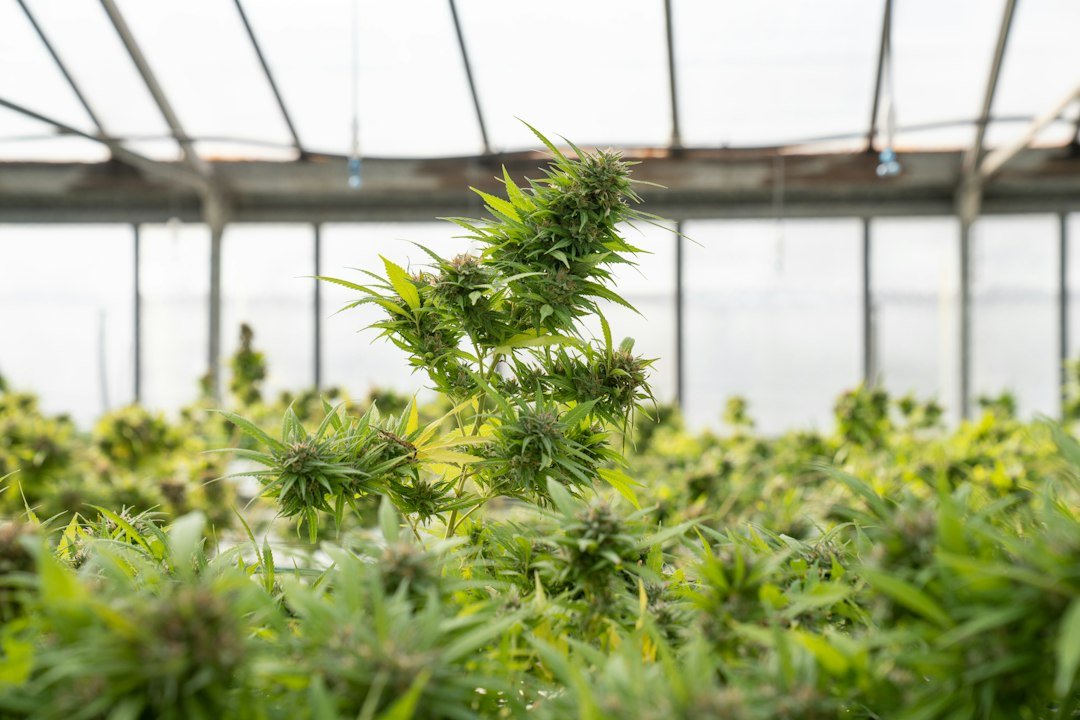
Oklahoma’s medical cannabis program is facing renewed scrutiny following a recall of marijuana flower products that failed Total Yeast and Mold (TY&M) testing requirements. The state has also introduced new tracking alerts designed to flag compliance issues more quickly, signaling a shift toward stricter enforcement in one of the nation’s largest medical cannabis markets.
What the Recall Means for Oklahoma Cultivators
While specific product details and the scope of the recall have not been fully disclosed, the action itself sends a clear message: regulators are tightening oversight on microbial contamination. Oklahoma has long operated with a relatively open licensing structure, resulting in a highly competitive market with thousands of cultivators. This environment has created pressure to move product quickly—sometimes at the expense of quality control.
Mold and yeast contamination remains one of the most common reasons cannabis fails compliance testing. For cultivators, a failed batch doesn’t just mean lost revenue—it can trigger recalls, damage brand reputation, and in some cases, result in regulatory penalties or license review. The introduction of new tracking alerts suggests Oklahoma regulators are investing in systems to catch contaminated products before they reach patients.
The Compliance Challenge Facing Cultivators
Microbial contamination is notoriously difficult to prevent entirely. Mold spores are ubiquitous in cultivation environments, and even facilities with rigorous HVAC and sanitation protocols can see batches fail at testing. Humidity fluctuations during flowering, drying, and curing stages create ideal conditions for yeast and mold proliferation. Many cultivators discover contamination only at the final testing stage, leaving few options for salvaging the harvest.
Traditional remediation methods each come with trade-offs. Irradiation—whether gamma or electron-beam—can reduce microbial loads but raises concerns among patients and may affect product perception. Chemical treatments risk leaving residues and often fail to meet the clean-label expectations of medical consumers. These limitations have driven the industry to seek alternatives that address contamination without compromising product integrity.
Cold Plasma: A Chemical-Free Path to Compliance
Cold plasma technology has emerged as a compelling solution for cultivators navigating microbial compliance challenges. Unlike irradiation or chemical fumigation, cold plasma uses ionized gas to neutralize mold, yeast, and bacteria on cannabis flower surfaces. The process operates at low temperatures, preserving the delicate terpene profiles and cannabinoid content that define product quality.
For Oklahoma cultivators—and those operating in any state with strict TY&M limits—cold plasma offers a way to remediate at-risk batches without sacrificing what makes their product valuable. There are no chemical residues to disclose, no irradiation labels to deter patients, and no significant degradation of THC or terpenes. The technology allows cultivators to bring contaminated flower back into compliance while maintaining the characteristics that consumers expect.
Preparing for Stricter Enforcement
Oklahoma’s new tracking alerts indicate that regulators are moving toward real-time compliance monitoring. Cultivators who rely on catching problems only at final testing may find themselves increasingly exposed to recalls and enforcement actions. Integrating remediation technology earlier in the workflow—before products enter the regulated supply chain—can reduce this risk substantially.
As compliance standards tighten across U.S. cannabis markets, cultivators who invest in effective, non-destructive remediation will be better positioned to protect their harvests and their brands. For those exploring cold plasma remediation, Curaflo’s system offers a proven approach to eliminating microbial contamination while preserving product quality—learn more at curaflo.tech.
Leave a Reply