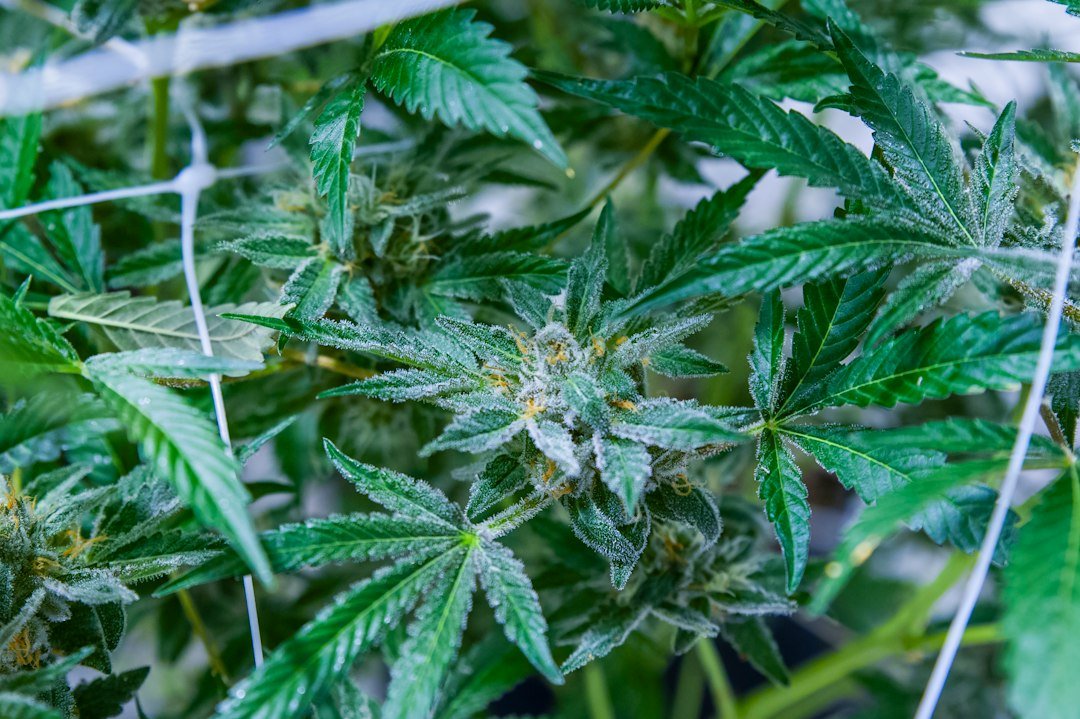
A cannabis product in Ohio has been identified as linked to reported health problems among consumers, and a store has been closed, according to MJBizDaily’s reporting in September 2026. The headline does not detail the cause, and it should not be assumed to be microbial. Even so, incidents like this show how quickly a quality failure can move from a single batch to a business-wide problem.
When Product Safety Reaches Consumers
Incidents where a cannabis product is tied to consumer health complaints are among the most severe outcomes of a quality-control failure. In regulated markets, products are expected to pass required testing before reaching shelves. When something goes wrong anyway, attention turns to testing protocols, storage conditions, and the adequacy of every safeguard along the supply chain.
The Hidden Cost of Quality Failures
For cultivators and processors, the consequences reach well beyond the immediate recall. Retail partnerships can be disrupted. Regulatory scrutiny tends to intensify across an entire operation. Consumer trust, built over years, can erode quickly.
Microbial contamination remains one of the most common and most preventable sources of these failures. Cannabis flower provides a favorable environment for mold, yeast, and bacteria, and there are many points between cultivation, curing, and packaging where Total Yeast and Mold (TY&M) counts can climb past acceptable limits.
Why Conventional Remediation Falls Short
When cultivators find elevated microbial counts, their options have historically been limited. Chemical treatments raise concerns about residues. Irradiation can be effective at reducing microbial load, but many growers worry about its effect on product quality and about restrictions in some markets. Heat-based methods risk damaging delicate compounds. Too often the remediation tools force a choice between compliance and quality.
Cold Plasma: A Different Approach
Cold plasma technology offers an alternative. It uses ionized gas to reduce mold, yeast, and bacteria on cannabis flower without chemicals, without irradiation, and without the heat that can degrade cannabinoids and terpenes. Because the treatment acts at the surface, where much microbial contamination resides, it is designed to preserve the THC and terpene profile that gives flower its value.
For cultivators watching incidents like Ohio’s unfold, the appeal is consistency: a remediation step that helps flower meet compliance standards without sacrificing the characteristics that command premium prices.
Prevention Over Reaction
The strongest contamination strategy pairs rigorous environmental controls during cultivation with reliable remediation before product enters distribution. Treating flower after curing and before final packaging and testing turns remediation from an emergency measure into a routine quality-assurance step, protecting both consumers and cultivators.
Cultivators who want to learn more about cold plasma remediation can visit curaflo.tech.
Leave a Reply