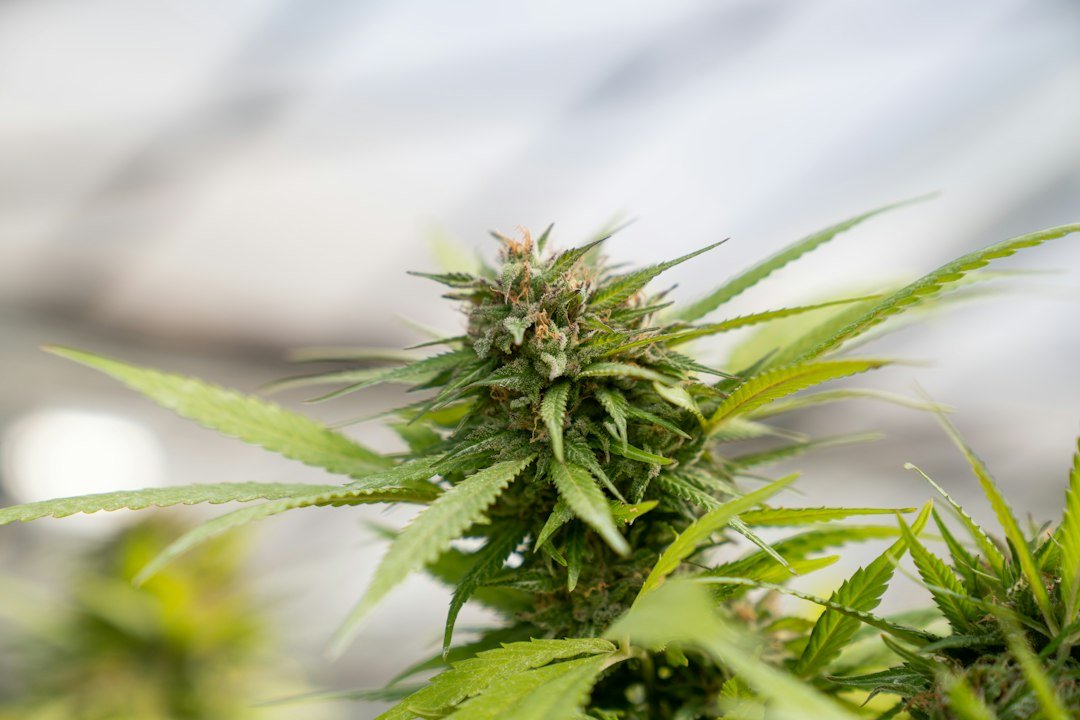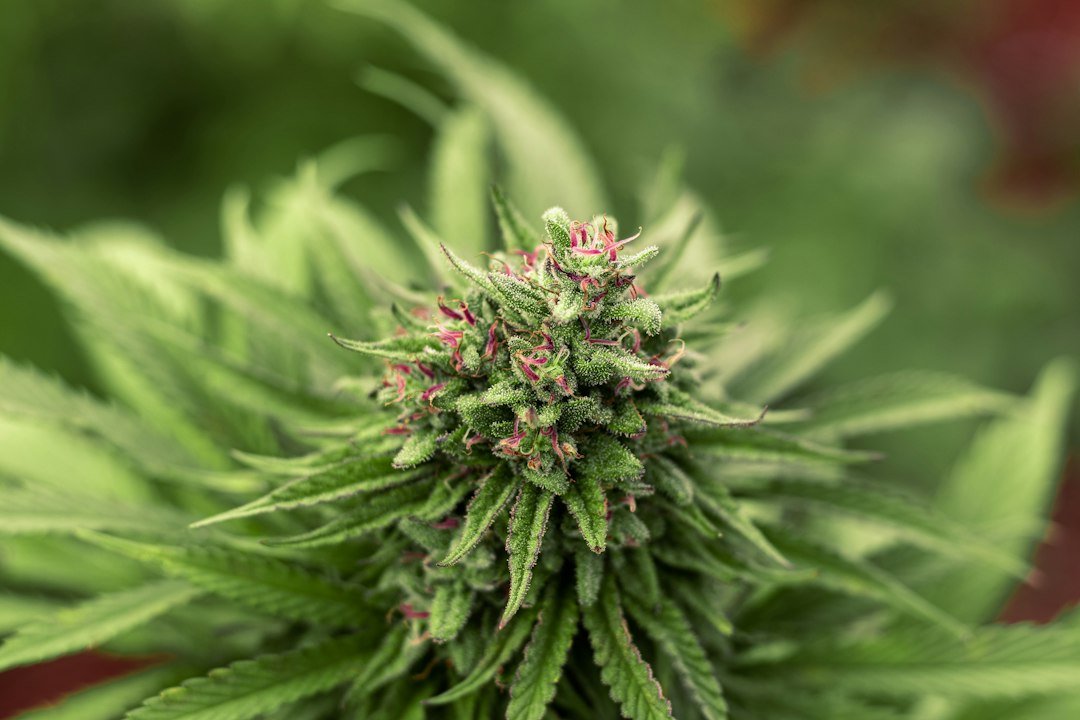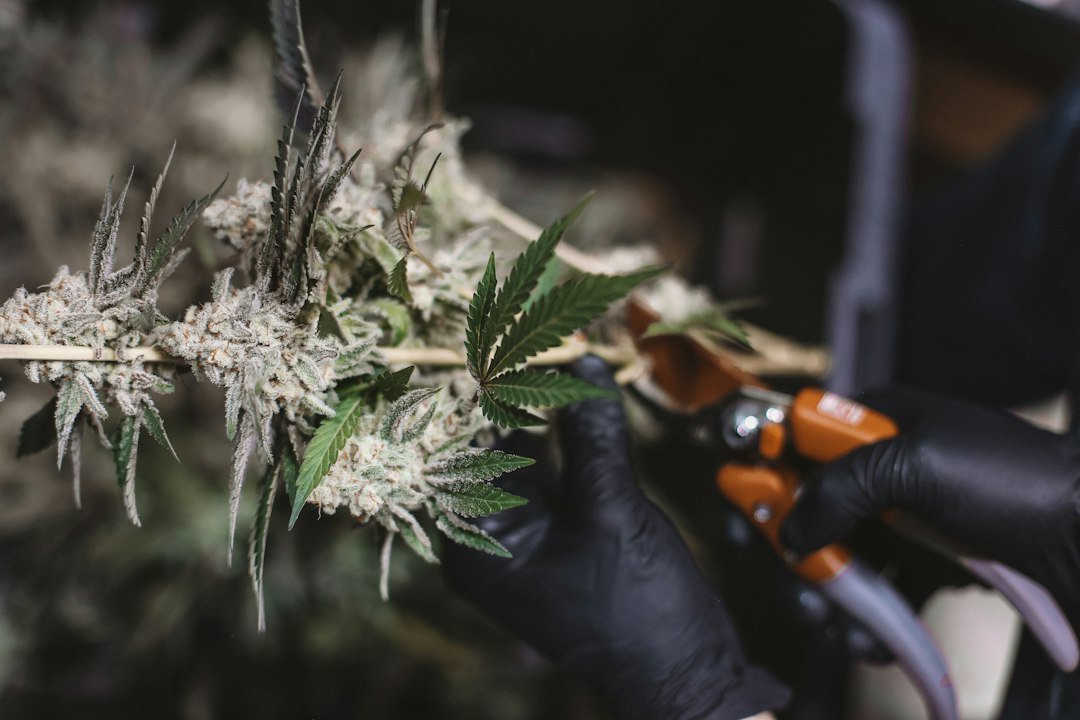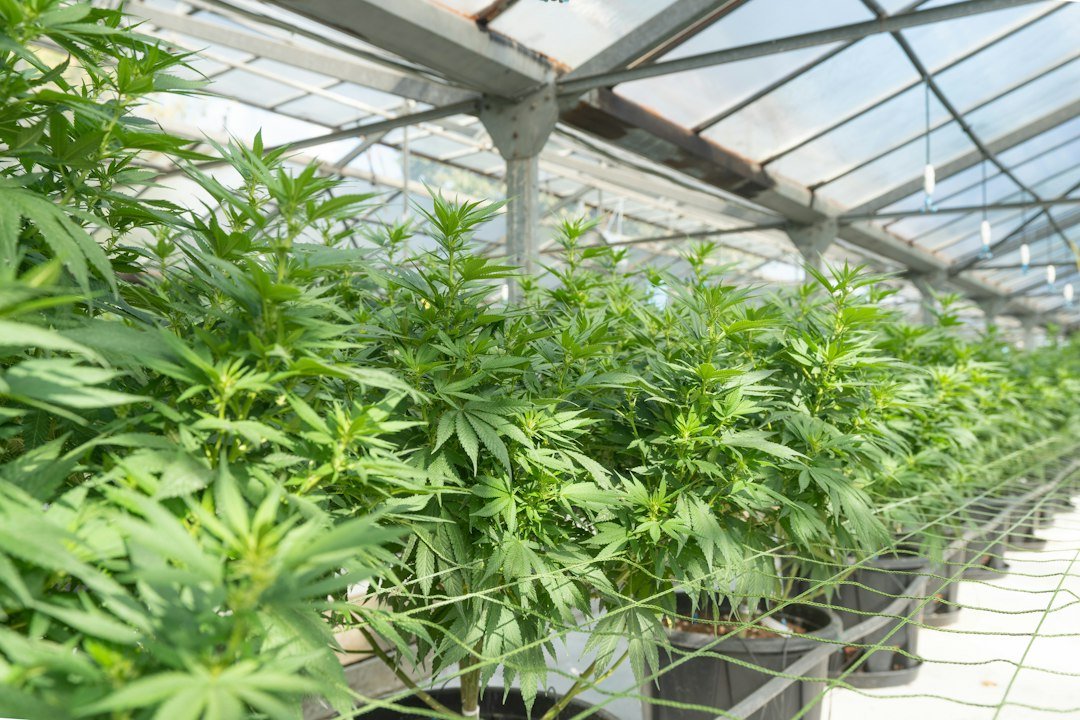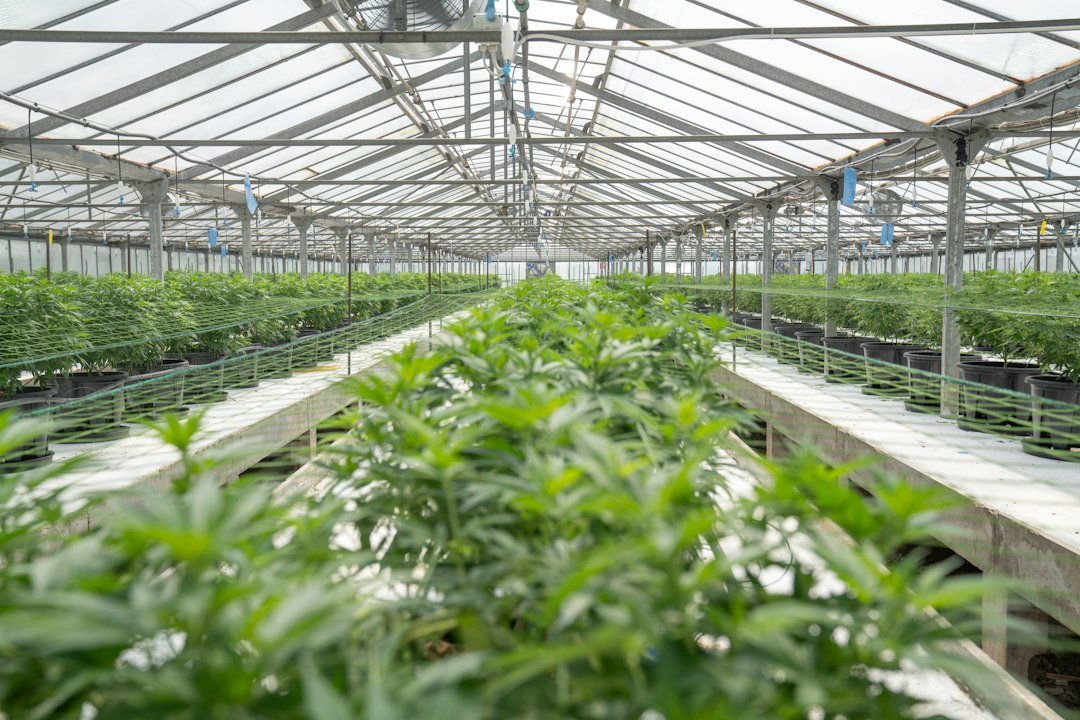
German authorities in Frankfurt have released an official brochure warning cannabis cultivators about the risks of mold contamination and fire hazards associated with home growing operations. The September 2026 publication marks a significant acknowledgment by municipal officials that mold represents a serious concern for anyone cultivating cannabis, whether for personal use under Germany’s legalization framework or for commercial purposes.
Why Municipal Authorities Are Sounding the Alarm
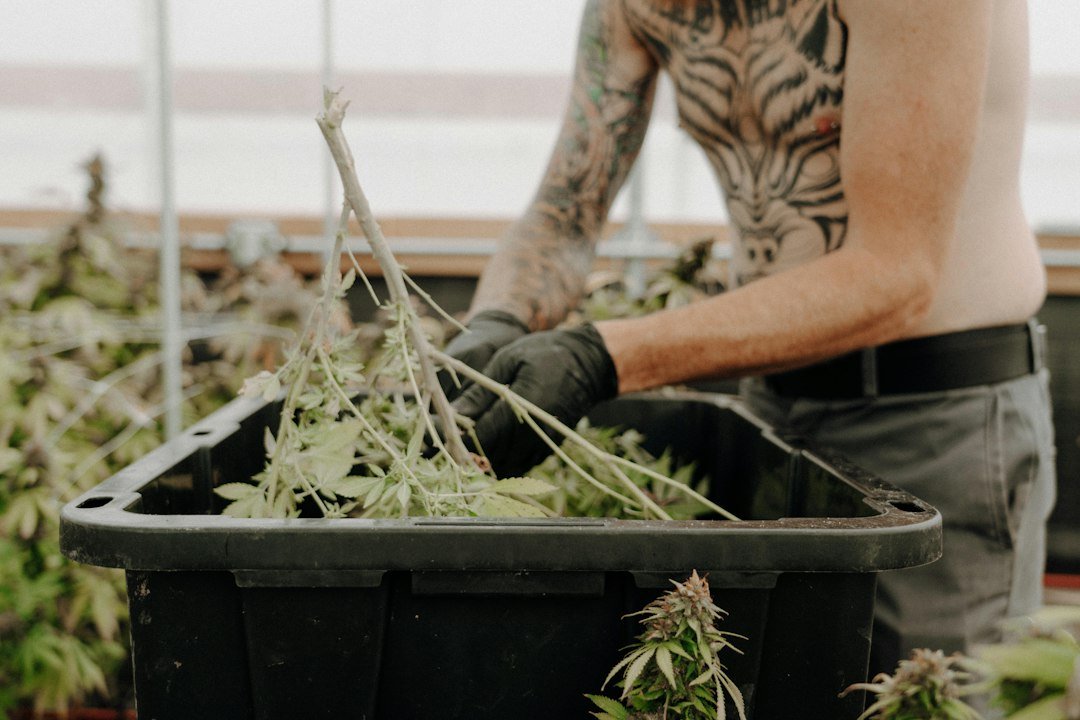
The Frankfurt guidance reflects growing awareness across Europe that cannabis cultivation creates ideal conditions for mold proliferation. Indoor grow environments combine warmth, humidity, and organic material—precisely the factors that allow Aspergillus, Botrytis, and other fungal species to thrive. For home growers, contaminated flower poses direct health risks, particularly for immunocompromised consumers. For commercial cultivators and exporters, the stakes multiply dramatically.
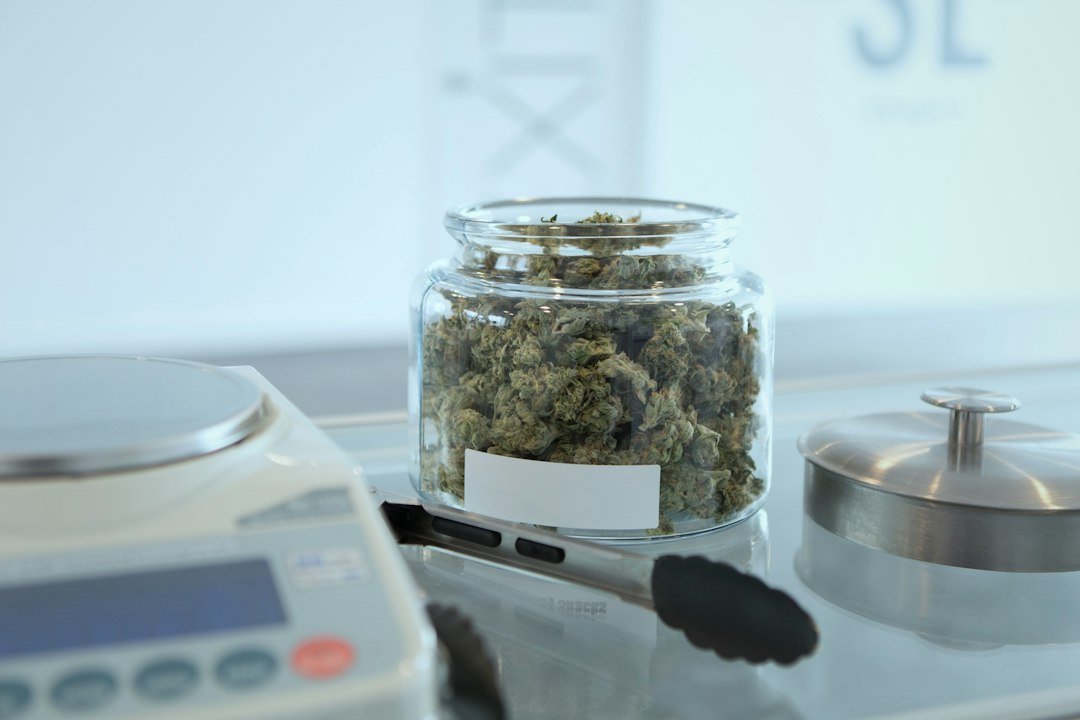
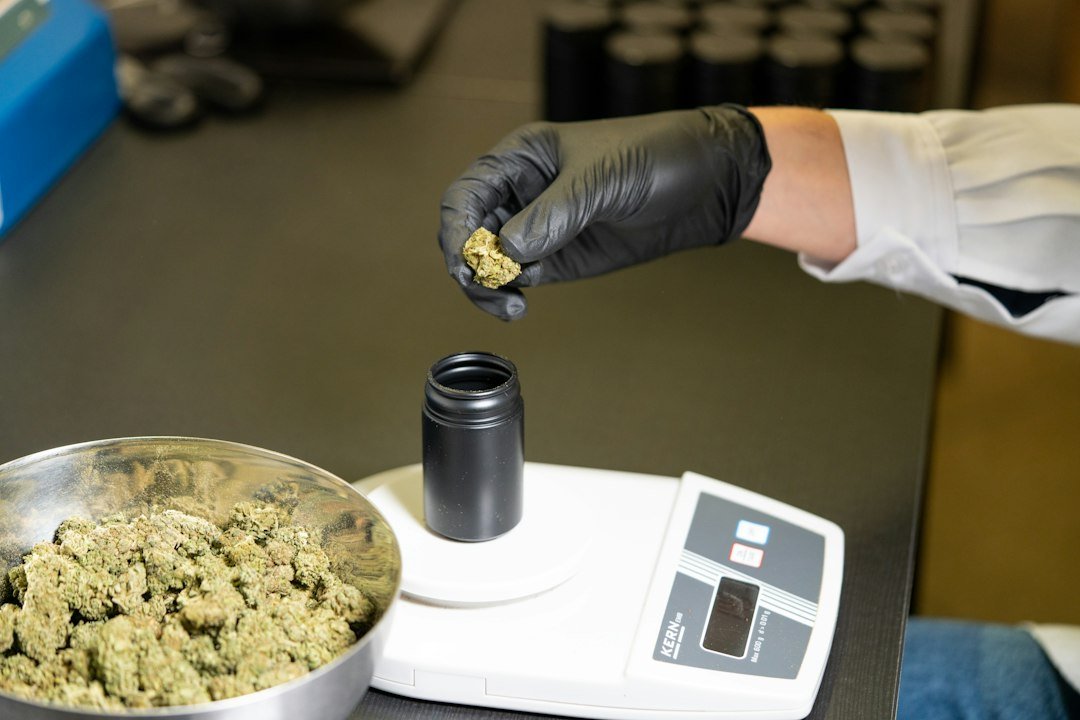
Germany’s regulated cannabis market has established strict microbial limits that mirror pharmaceutical-grade standards. Products exceeding Total Yeast and Mold (TY&M) thresholds cannot legally reach consumers. When batches fail testing, cultivators face difficult choices: destroy the harvest entirely, attempt remediation, or risk regulatory consequences.
The European Context for Microbial Compliance
Frankfurt’s warning arrives as European cannabis markets mature and enforcement tightens. Germany remains the continent’s largest medical cannabis market, with domestic cultivation operations now competing alongside established importers. Regulators across the EU apply GMP (Good Manufacturing Practice) standards that leave little room for microbial contamination.
For cultivators supplying German pharmacies or exporting to other European markets, a single failed batch can mean thousands of euros in lost product—not to mention damaged relationships with distributors and potential regulatory scrutiny. The Frankfurt brochure, while aimed at home growers, underscores a fundamental truth that commercial operators understand well: mold prevention and remediation capabilities are not optional.
Cold Plasma: A Chemical-Free Approach to Microbial Control
Traditional remediation methods force cultivators into uncomfortable tradeoffs. Irradiation effectively kills mold and bacteria but raises concerns about product perception and may affect certain compounds. Chemical treatments can leave residues and face their own regulatory limitations.
Cold plasma technology offers an alternative path. By generating reactive oxygen and nitrogen species at low temperatures, cold plasma systems neutralize mold spores, yeast, and bacteria on contact—without chemicals, without irradiation, and without the heat that degrades cannabinoids and terpenes.
Curaflo has developed cold plasma remediation specifically for cannabis flower, addressing the industry’s need for compliant product without compromising quality. The process preserves THC potency and terpene profiles while eliminating the microbial contamination that causes TY&M failures.
Building Contamination Control Into Operations
Whether cultivating in Frankfurt, Berlin, or anywhere cannabis regulations apply, the lesson remains consistent: microbial contamination requires proactive management. Environmental controls, proper curing protocols, and air filtration all play roles in prevention. But when contamination occurs despite best practices—as it inevitably does in biological cultivation—remediation technology determines whether a harvest becomes revenue or waste.
As European markets continue expanding and standards remain stringent, cultivators who integrate reliable remediation into their workflows position themselves for consistent compliance. Learn more about cold plasma remediation at curaflo.tech.