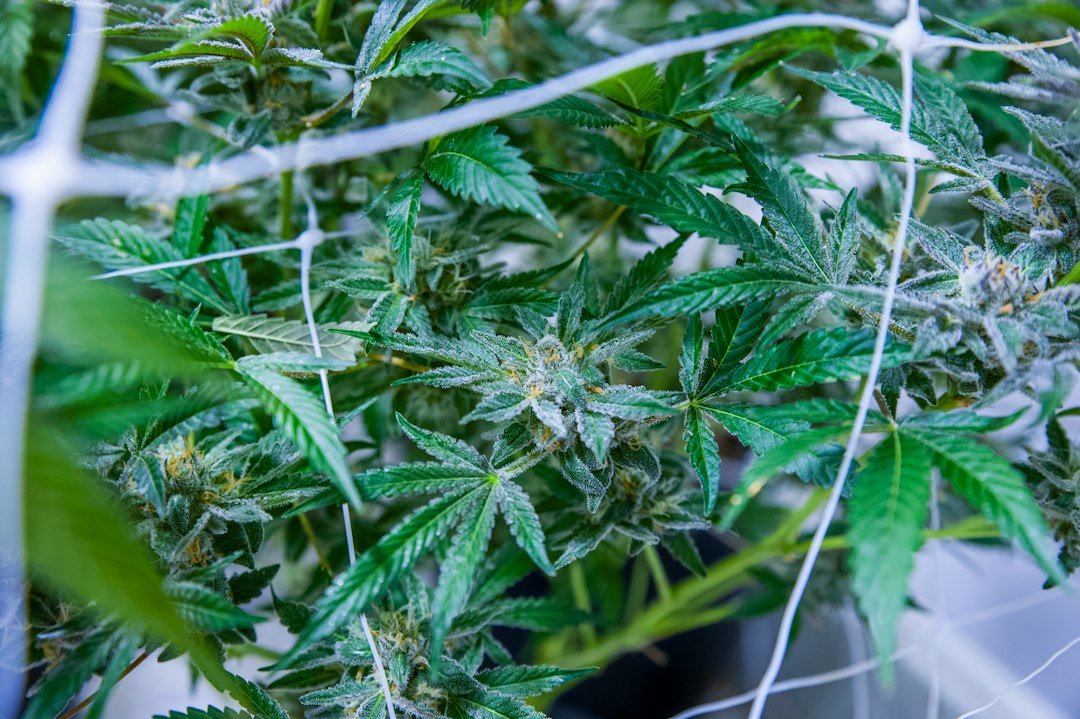
Tilray Medical recently received approval to conduct critical EU-GMP quality testing in-house at its Portugal facility, a development that signals a broader shift in how cannabis exporters are approaching compliance bottlenecks. For cultivators shipping to European markets, the ability to test internally rather than relying on third-party laboratories represents more than convenience—it’s a strategic response to one of the industry’s most persistent pain points.
The Export Testing Bottleneck
For cannabis cultivators targeting EU markets, the testing phase has long been a source of anxiety and delay. Third-party laboratory queues can stretch for days or weeks, leaving harvested flower sitting in storage while awaiting microbial clearance. During this time, conditions can change, and what passed informal quality checks at harvest may fail official testing by the time results return.
Total Yeast and Mold (TYM) failures are particularly devastating in this context. Unlike potency variance, which might affect pricing, a microbial failure typically means the entire batch cannot ship. For exporters who have already invested in cultivation, processing, packaging, and scheduled logistics, a failed TYM test represents a complete loss of that investment.
Why Timing Matters for Microbial Compliance
The challenge with microbial contamination is its unpredictability. Spores are present in virtually every cultivation environment, and conditions during drying, curing, and storage can allow populations to grow beyond acceptable thresholds. The longer the gap between harvest and final testing, the greater the risk that a borderline batch tips into failure territory.
In-house testing capabilities, like those Tilray has now secured, allow operators to catch problems earlier in the process. But testing alone doesn’t solve the fundamental problem: what happens when a batch fails? For most exporters, the options have historically been limited to destruction, expensive retreatment, or attempting to repurpose the material for extraction—often at significant financial loss.
Remediation Before the Test
This is where proactive remediation strategies become essential for export-focused operations. Rather than waiting to discover a failure, forward-thinking cultivators are integrating remediation into their post-harvest workflow as a standard step before final testing.
Cold plasma technology has emerged as a particularly compelling option for this application. Unlike gamma irradiation, which can degrade terpene profiles and raise concerns among quality-conscious buyers, cold plasma eliminates mold and bacteria without chemicals, heat, or radiation. The process preserves the cannabinoid and terpene content that premium markets demand while ensuring batches meet stringent EU-GMP microbial limits.
Building Compliance Into the Workflow
For cultivators eyeing European markets, the lesson from Tilray’s investment in testing infrastructure is clear: control over quality assurance timing is a competitive advantage. But testing faster only helps if you have a reliable way to address failures when they occur.
Integrating cold plasma remediation upstream—before final EU-GMP testing—transforms TYM compliance from a pass-fail gamble into a predictable outcome. Batches can be treated as a precaution, ensuring they arrive at testing with microbial loads well within acceptable ranges.
For exporters building operations designed for consistency and reliability, solutions like Curaflo’s cold plasma system offer a path to compliance that doesn’t compromise product quality—a critical consideration as European markets continue to mature and competition intensifies.
Learn more about cold plasma remediation at curaflo.tech.
Leave a Reply