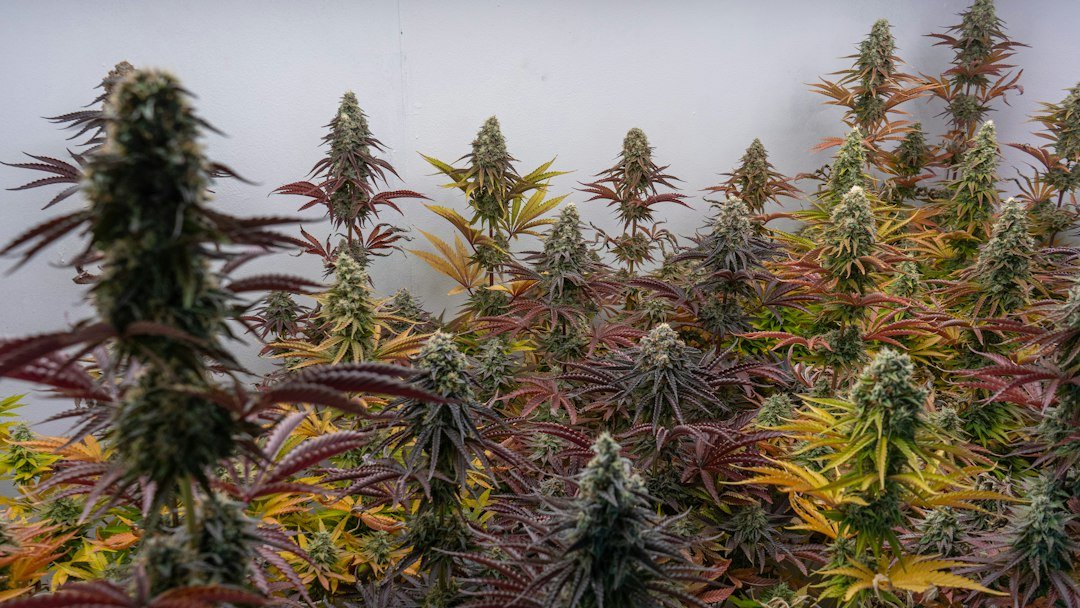
The Michigan Cannabis Regulatory Agency recently issued a public health and safety advisory regarding a voluntary product recall initiated by Fawn River Cultivation Company LLC. While specific details of the contamination type remain limited in the advisory, voluntary recalls in cannabis typically involve microbial contamination—most commonly Total Yeast and Mold (TY&M) or bacterial failures that exceed state-mandated limits.
The Compliance Challenge Facing Michigan Cultivators
Michigan’s regulated cannabis market has grown rapidly, but so have its compliance demands. The state maintains strict testing requirements for all cannabis flower before it reaches consumers, including limits on microbial contaminants that can pose health risks to patients and adult-use consumers alike.
When cultivators fail these tests, the consequences extend far beyond a single batch. Voluntary recalls damage brand reputation, strain relationships with dispensary partners, and represent significant financial losses. Product that has already reached shelves must be pulled, and in many cases, entire harvests that might otherwise be salvageable end up destroyed.
The reality is that even the most diligent cultivators face environmental pressures that encourage mold and yeast proliferation. Humidity fluctuations during flowering, drying, or storage can create conditions where microbial contamination takes hold—often invisibly until testing reveals the problem.
Why Traditional Remediation Falls Short
When faced with contaminated product, cultivators have historically turned to a limited set of options. Some have used irradiation, which effectively kills pathogens but raises concerns among consumers and can degrade terpene profiles. Chemical treatments present their own problems, including residue concerns and the potential for creating an inferior product.
Many operators simply accept the loss, destroying failed batches rather than risk further compliance issues. This approach, while safe, represents an enormous waste of resources—labor, nutrients, energy, and time that cannot be recovered.
Cold Plasma Technology Offers a Different Path
Cold plasma remediation has emerged as a compelling alternative for cultivators seeking to address microbial contamination without compromising product integrity. The technology uses ionized gas to eliminate mold, yeast, and bacteria at the cellular level—no chemicals, no irradiation, and no heat that would damage delicate cannabinoid and terpene profiles.
For operations facing TY&M compliance failures, cold plasma remediation can mean the difference between salvaging a harvest and writing it off entirely. The process preserves the characteristics that make craft cannabis valuable: the full spectrum of terpenes, cannabinoid potency, and the overall quality that consumers expect.
Curaflo’s cold plasma system was designed specifically for this challenge, offering cultivators a way to bring non-compliant flower back within acceptable microbial limits while maintaining the qualities that define their product.
Building Resilience Into Cultivation Operations
Recalls like the one affecting Fawn River Cultivation serve as reminders that compliance failures can happen to any operation. The question is not whether cultivators will encounter microbial challenges, but whether they have the tools to address them effectively when they arise.
Proactive operators are increasingly incorporating remediation technology into their standard workflows, treating it as insurance against the unpredictable nature of biological cultivation. For those exploring their options, curaflo.tech provides detailed information on how cold plasma remediation integrates into existing operations.
Leave a Reply