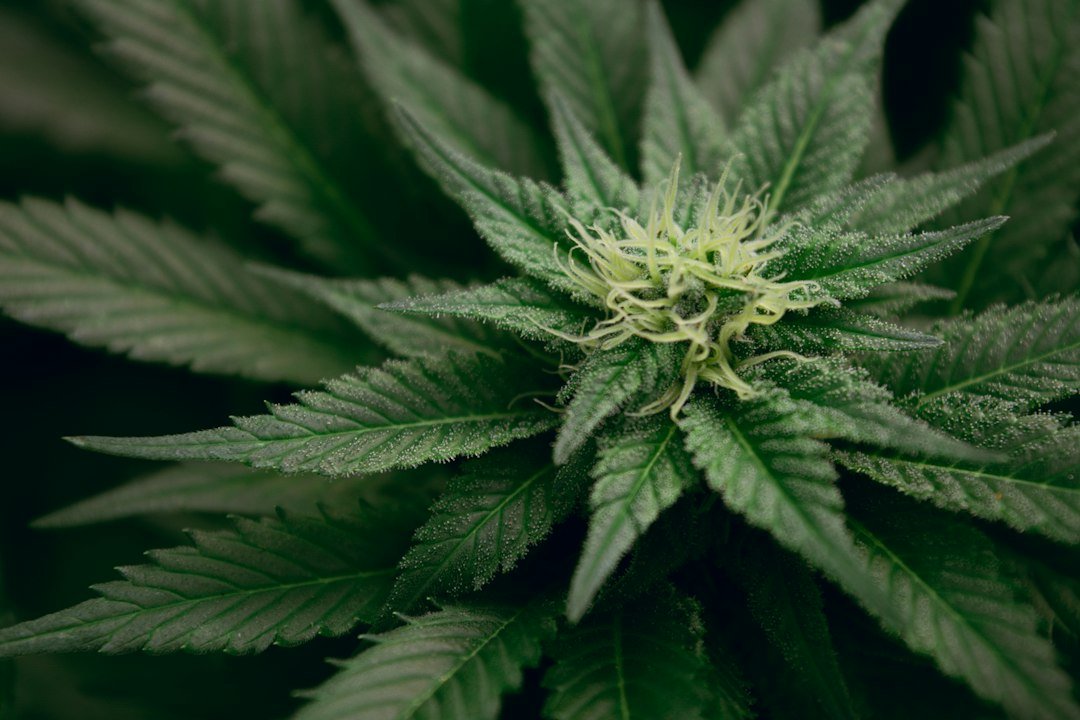
A recent article from Business of Cannabis has reignited an important conversation across the global cannabis industry: is irradiation of medical cannabis truly necessary, or are there better alternatives for ensuring microbial compliance?
The Irradiation Question Resurfaces
For years, gamma and electron-beam irradiation have served as a common remediation method for cannabis that fails microbial testing. The approach can reduce mold, yeast, and bacteria, but it comes with trade-offs that cultivators and patients alike have questioned.
The debate centers on whether the benefits of irradiation justify its potential impact on product quality. Critics point to concerns about terpene degradation, changes in product profile, and whether irradiated flower is seen as equivalent to cannabis that was cultivated and handled cleanly. For medical patients who depend on specific terpene profiles, these concerns are far from academic.
Why This Matters for Global Cultivators
As cannabis markets mature across Europe, Australia, and beyond, regulatory frameworks increasingly demand EU-GMP certification and rigorous microbial limits. Cultivators exporting to Germany, the UK, or Australia face stringent Total Yeast and Mold (TY&M) requirements that can result in entire batches being rejected or requiring remediation.
For export-focused operations, the remediation method matters. Some markets treat irradiated products differently, and a batch that technically passes microbial limits may still lose the premium positioning that justifies international shipping costs.
The Economics of Failed Batches
What often gets lost in the irradiation debate is the economic pressure that drives cultivators toward any available remediation option. When a harvest fails microbial testing, operators face a difficult choice: destroy the crop, accept quality degradation through traditional remediation, or attempt to sell into markets with lower standards.
None of these options serve the long-term interests of cultivators building premium brands or medical programs that demand consistent, high-quality products.
Cold Plasma: A Third Path
This is why cold plasma remediation technology has gained attention among cultivators seeking an alternative approach. Unlike irradiation, cold plasma uses ionized gas to neutralize mold, yeast, and bacteria on the flower’s surface, without chemicals and without ionizing radiation.
The technology works by generating reactive species that disrupt microbial cells while preserving the cannabinoids and terpenes that define premium cannabis. For cultivators navigating international markets, that preservation is about more than consumer preference. It supports the therapeutic consistency that medical regulators and patients expect.
Looking Ahead
The question is no longer simply whether cannabis needs remediation, but which remediation methods align with the quality expectations of maturing markets. For cultivators who have invested in genetics, cultivation practices, and brand reputation, the remediation method deserves the same careful consideration.
Companies like Curaflo are advancing cold plasma technology specifically for cannabis applications, offering a path to compliance without chemicals or irradiation. Learn more at curaflo.tech.
Leave a Reply