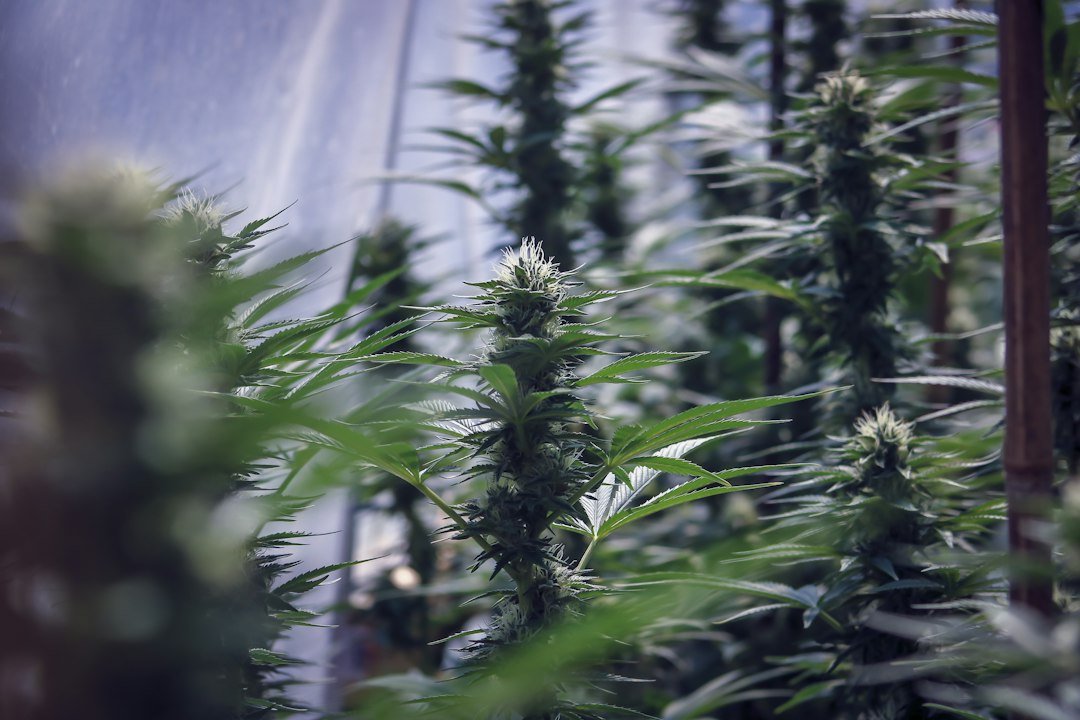
Maine regulators recently issued a public warning about contaminated medical marijuana tied to Lebanon, alerting patients to potential health risks associated with the affected products. The advisory underscores the persistent challenge of microbial contamination in cannabis and the real consequences when compliance failures reach consumers.
When Contamination Reaches Patients
State-issued contamination warnings represent a worst-case scenario for cultivators and dispensaries alike. Beyond the immediate public health concerns, such advisories trigger product recalls, erode patient trust, and can result in significant regulatory penalties. For the businesses involved, the reputational damage often proves more costly than the lost inventory itself.
Medical cannabis programs have grown substantially in recent years, but like markets across the country, they continue to grapple with the challenge of ensuring consistent product safety. Microbial contamination—particularly mold, yeast, and bacteria—remains one of the most common reasons for compliance failures in cannabis testing.
The Root Cause Problem
Cannabis flower is inherently susceptible to microbial growth. The dense structure of the bud, combined with the moisture content required to preserve terpenes and prevent brittleness, creates an environment where Total Yeast and Mold (TYM) counts can exceed regulatory limits. Environmental factors during cultivation, drying, curing, and storage all contribute to contamination risk.
For cultivators, a failed microbial test often means choosing between destroying valuable inventory or attempting remediation. Traditional remediation methods present their own complications: irradiation raises consumer acceptance concerns, while chemical treatments can leave residues or degrade product quality.
Cold Plasma: A Chemical-Free Path Forward
Cold plasma technology has emerged as a compelling alternative for cultivators facing microbial compliance challenges. Unlike irradiation or chemical fumigation, cold plasma remediation uses ionized gas to neutralize mold, yeast, and bacteria at the surface level without penetrating or altering the flower’s internal chemistry.
The process works by generating reactive oxygen and nitrogen species that disrupt microbial cell membranes on contact. Because the treatment occurs at near-ambient temperatures and involves no chemicals or radiation, it preserves the cannabinoid and terpene profiles that define product quality and value.
For facilities navigating the balance between compliance and quality preservation, cold plasma offers a practical middle ground. The technology addresses contamination without the trade-offs that make other remediation methods controversial among patients and regulators alike.
Prevention and Remediation
While proper environmental controls during cultivation remain the first line of defense against contamination, even well-managed facilities can encounter microbial issues. Humidity fluctuations, equipment malfunctions, or contamination introduced during handling can push otherwise compliant harvests over testing thresholds.
Having a remediation strategy in place—one that doesn’t compromise product integrity—gives cultivators a safety net when prevention measures fall short. As state programs continue tightening testing requirements and enforcement, that safety net becomes increasingly valuable.
Curaflo’s cold plasma systems are designed specifically for cannabis flower remediation, helping cultivators meet compliance standards while preserving what matters most to patients and consumers. Learn more at curaflo.tech.
Leave a Reply