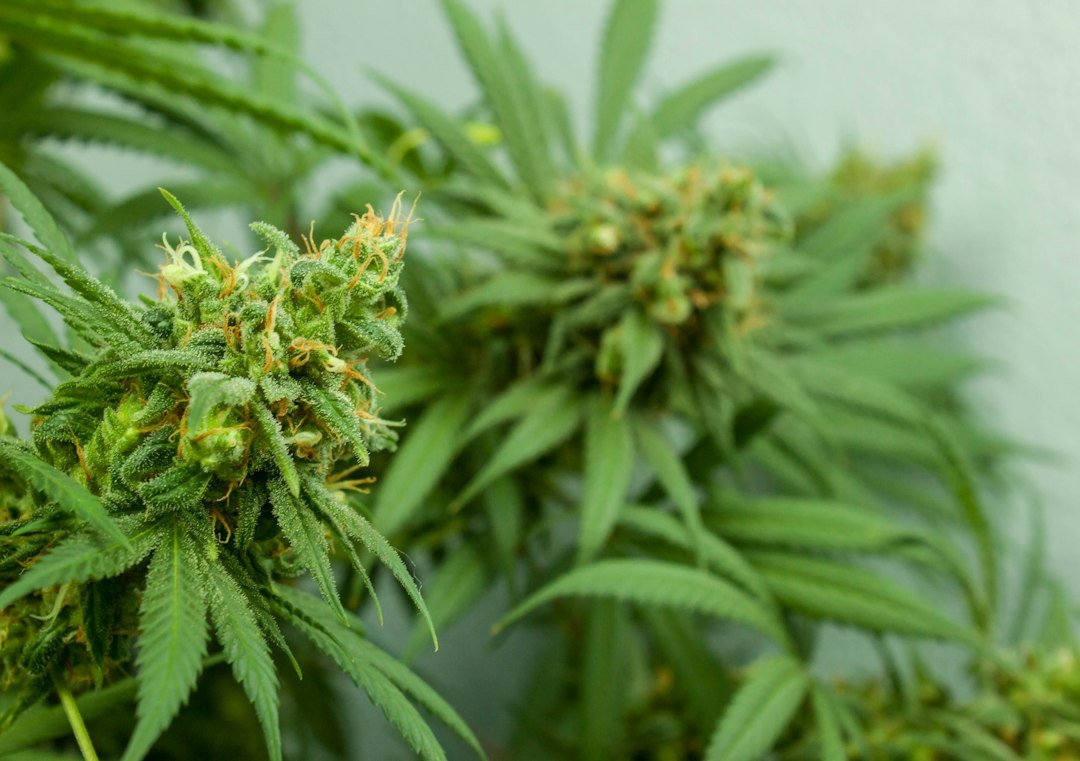
On October 26, 2026, the Oklahoma Medical Marijuana Authority (OMMA) released clarifications regarding which medical marijuana products are affected by an ongoing recall. While details remain emerging, the announcement underscores the persistent challenge facing cultivators in one of America’s largest cannabis markets: contamination-related compliance failures can cascade quickly from cultivation facilities to dispensary shelves and ultimately to patients.
Oklahoma’s Compliance Landscape
Oklahoma operates one of the most expansive medical marijuana programs in the United States, with thousands of licensed cultivators competing in an increasingly price-sensitive market. This scale brings significant regulatory oversight, and OMMA has demonstrated a willingness to enforce compliance standards through product recalls when testing thresholds are exceeded.
For cultivators, recalls represent more than a single batch loss. They trigger supply chain disruptions, damage relationships with dispensary partners, and can invite additional regulatory scrutiny. In a market where margins are already compressed, the financial impact of a compliance failure often extends far beyond the recalled product itself.
The Root Cause Problem
Product recalls in cannabis markets frequently trace back to microbial contamination—specifically Total Yeast and Mold (TY&M) counts that exceed state-mandated limits. These failures can occur even in well-managed cultivation facilities. Environmental factors, humidity fluctuations during drying and curing, or contamination introduced during handling can push otherwise premium flower over compliance thresholds.
The challenge for Oklahoma cultivators is that contamination often isn’t visible to the naked eye. Flower that appears healthy may harbor microbial loads that only become apparent during mandatory testing. By that point, the harvest is already at risk, and options are limited.
Traditional Remediation Falls Short
When cultivators discover contamination, they typically face two choices: destroy the product or attempt remediation. Traditional remediation methods each carry significant drawbacks. Chemical treatments can leave residues that create their own compliance problems and raise patient safety concerns. Irradiation, while effective at killing microbes, is known to degrade terpene profiles and can alter the characteristics that define a cultivar’s market value.
For craft cultivators who have invested in genetics and growing conditions to achieve specific flavor and effect profiles, these trade-offs are unacceptable. The result is often a difficult choice between accepting total losses or shipping a remediated product that no longer represents the quality they intended.
Cold Plasma: A Different Approach
Cold plasma technology offers cultivators an alternative that addresses microbial contamination without the compromises of traditional methods. The process uses ionized gas to eliminate mold, yeast, and bacteria at the cellular level—achieving compliance without introducing chemicals or subjecting flower to irradiation.
Critically for cultivators focused on product quality, cold plasma remediation preserves THC potency and terpene profiles. The flower that emerges from treatment maintains the characteristics it had going in, minus the microbial load that would have caused it to fail testing.
Systems like Curaflo’s cold plasma technology are designed specifically for cannabis operations, enabling cultivators to address contamination proactively rather than reactively. Instead of discovering a compliance failure at the testing lab and scrambling for solutions, cultivators can integrate remediation into their standard workflow.
Proactive Compliance as Competitive Advantage
As Oklahoma’s market matures and regulatory enforcement intensifies, cultivators who build contamination prevention into their operations will hold a significant advantage. The cost of remediation technology is predictable and manageable; the cost of a recall is neither.
For Oklahoma cultivators watching OMMA’s latest recall clarifications, the message is clear: compliance failures are an ongoing industry reality, and those who prepare for them will outlast those who don’t. Learn more about cold plasma remediation at curaflo.tech.
Leave a Reply