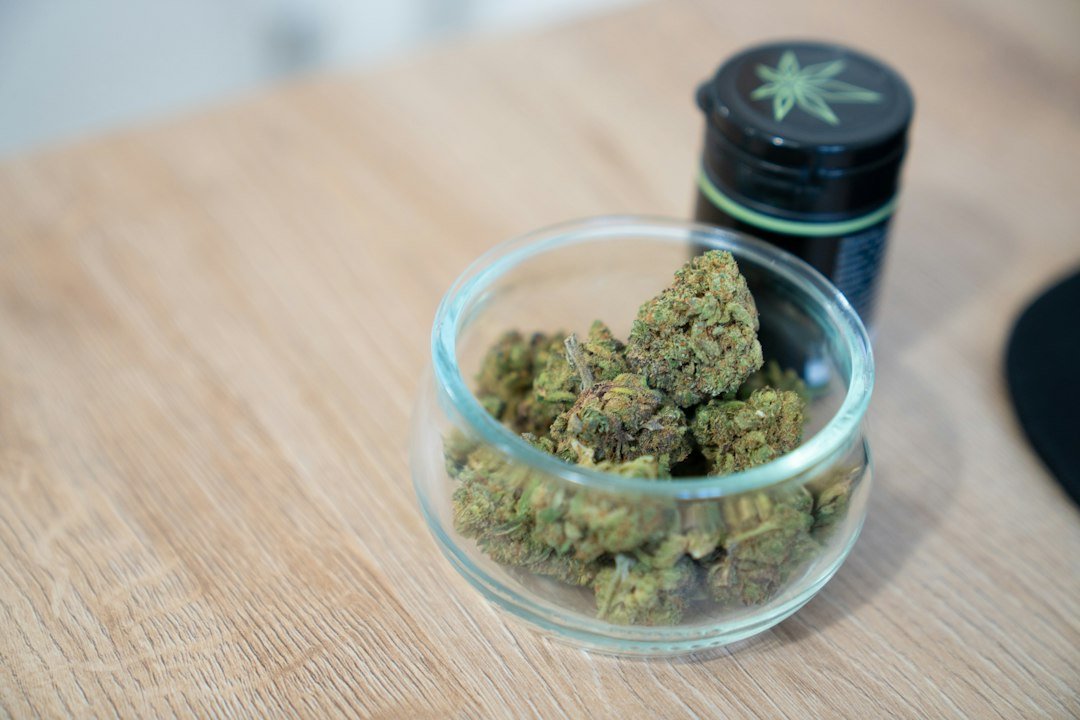
When a German city publishes an official brochure warning home growers about mold risks in cannabis cultivation, it underscores a biological reality that transcends scale: mold is an ever-present threat in cannabis production, whether you’re growing a few plants at home or operating a commercial facility supplying the regulated market.
Frankfurt’s Official Warning
The city of Frankfurt recently released guidance for residents cultivating cannabis. Among the key warnings reported by Frankfurter Rundschau: fire hazards and mold. While the brochure targets home growers, the mold concern it highlights is the same challenge facing licensed producers across Germany and global export markets.
This official acknowledgment from a major German city reflects growing public awareness that cannabis cultivation carries inherent contamination risks. For home growers, a moldy harvest means personal disappointment. For commercial cultivators, it means failed compliance tests, rejected batches, and significant financial losses.
The Scale Problem for Commercial Cultivators
Germany’s medical cannabis market operates under strict microbial limits. Cultivators supplying pharmacies must meet pharmaceutical-grade standards, while those eyeing export opportunities face EU-GMP requirements that leave little tolerance for Total Yeast and Mold (TY&M) failures.
The biology doesn’t care about your cultivation license tier. The same fungal spores that threaten a Frankfurt apartment grow room proliferate in commercial facilities where humidity, organic matter, and dense plant canopies create ideal conditions. The difference is consequences: commercial failures can mean large volumes of unmarketable flower and collapsed margins.
For cultivators positioning themselves as suppliers to the European market, and for international producers seeking German import partnerships, contamination control isn’t optional. It’s existential.
Beyond Prevention: Addressing Post-Harvest Reality
Even facilities with rigorous environmental controls experience contamination. HVAC systems fail. Humidity spikes during drying. Spores enter through intake air. The question becomes: what happens when prevention isn’t enough?
Traditional remediation options present difficult tradeoffs. Gamma irradiation, while effective against pathogens, faces regulatory scrutiny in some markets and consumer resistance in others. Chemical treatments raise residue concerns incompatible with pharmaceutical applications.
Cold plasma technology offers a different approach. By generating reactive species that neutralize mold and bacteria, cold plasma systems address microbial contamination without chemicals, without irradiation, and without the heat that degrades cannabinoids and terpenes. The flower that enters the system emerges with its THC potency and terpene profile preserved.
Compliance as Competitive Advantage
As Germany’s market matures and export corridors to other EU nations develop, cultivators who can consistently deliver compliant flower will capture market share. Those who cannot will find themselves locked out of pharmacy supply chains and international opportunities.
Frankfurt’s mold warning serves as a reminder: this isn’t a problem that disappears with scale or sophistication. It requires solutions engineered specifically for cannabis biology and regulatory reality.
For cultivators seeking remediation technology that protects product integrity, learn more about Curaflo’s cold plasma systems at curaflo.tech.
Leave a Reply