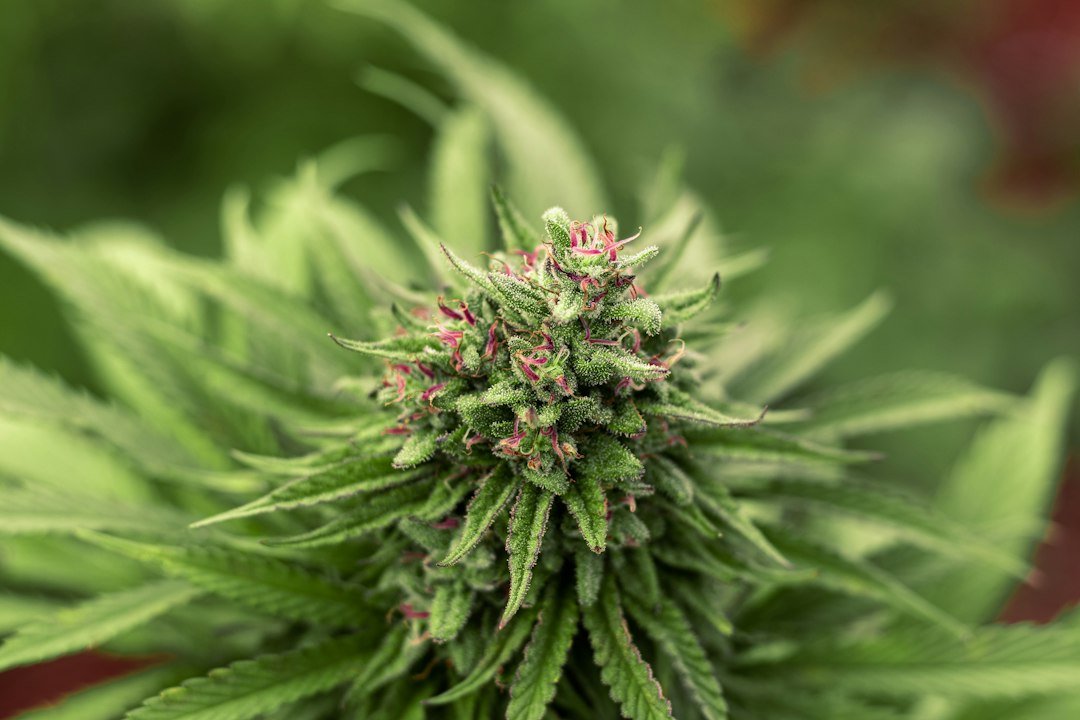
Massachusetts cannabis regulators recently conducted a sting operation that identified THC potency inflation. According to reports, roughly one in eight flower samples fell outside acceptable tolerance ranges, a finding that raises questions about testing integrity across the regulated cannabis supply chain.
The Scope of the Problem
When regulators find that a meaningful share of products on shelves doesn’t match its labeled potency, the implications ripple through the industry. Cultivators who invest in quality genetics and careful cultivation practices compete against products with potentially inflated numbers. Consumers lose trust, and regulators face pressure to tighten oversight.
While this particular action focused on THC potency, it spotlights a broader point: testing integrity affects every compliance metric, from cannabinoid profiles to microbial contamination limits. When labs face pressure, whether from market competition or client relationships, the temptation to deliver favorable results can compromise the entire testing framework.
Why Testing Integrity Matters for Microbial Compliance
For cultivators, the Massachusetts findings are worth reflecting on beyond potency numbers. If irregularities can surface in one area of testing, it is reasonable to ask what that means for other critical metrics such as Total Yeast and Mold (TY&M) counts.
Unlike THC percentages, which primarily affect marketing and consumer expectations, microbial testing carries genuine public health implications. A product that passes a compromised microbial test could pose risks to immunocompromised consumers. And when regulators tighten enforcement, cultivators who relied on questionable results may find previously “compliant” inventory suddenly at risk.
Building Compliance You Control
The lesson isn’t that testing is unreliable. It’s that cultivators benefit from controlling as many compliance variables as possible before products ever reach a testing lab. Rather than hoping flower will pass microbial screening, forward-thinking operations are integrating remediation into their standard workflow.
Cold plasma remediation offers cultivators a way to address microbial contamination without the tradeoffs of traditional methods. Unlike irradiation, which can raise terpene and consumer-perception concerns, cold plasma uses ionized gas to neutralize mold, yeast, and bacteria while preserving the plant’s chemical profile. No chemicals are introduced. No radiation is involved. THC and terpene profiles remain intact.
Proactive Quality Assurance
As regulatory scrutiny of testing increases, cultivators who can demonstrate consistent, verifiable quality will hold an advantage. Integrating cold plasma remediation means addressing microbial load before flower ships to the lab, reducing failed tests, rejected batches, and the costly scramble to remediate after the fact.
The technology works by generating reactive species that disrupt microbial cells without damaging plant tissue. It lets cultivators focus on growing quality cannabis while maintaining confidence in compliance outcomes.
For operations looking to build resilient quality assurance protocols, learn more about cold plasma remediation at curaflo.tech.
Leave a Reply