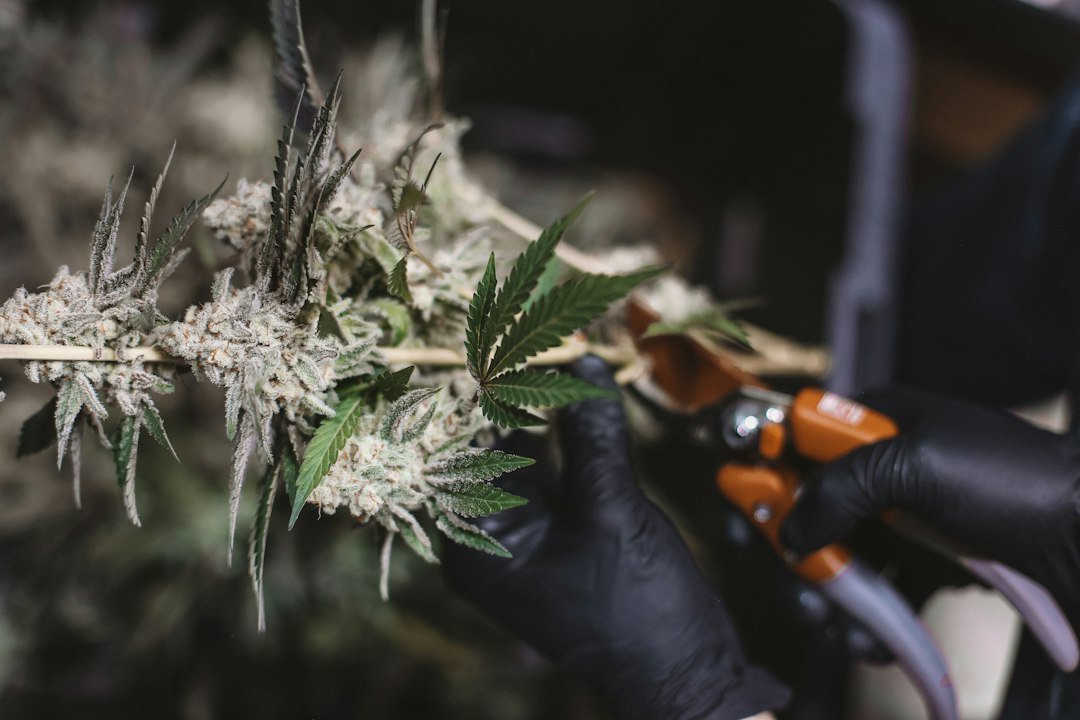
Canopy Growth recently announced the renewal of its EU GMP certification at the Kincardine cultivation facility in Canada, reinforcing the company’s position in the international medical cannabis export market. For cultivators eyeing European markets, this news underscores a fundamental reality: EU GMP certification represents one of the most demanding quality standards in global cannabis.
Why EU GMP Certification Matters for Exporters
The European Union’s Good Manufacturing Practice framework sets rigorous requirements for pharmaceutical-grade cannabis production. Unlike recreational markets where testing thresholds vary by jurisdiction, EU GMP demands consistent, documented control over every variable that could compromise product safety—with microbial contamination sitting at the top of that list.
Total Yeast and Mold counts, bacterial loads, and specific pathogen testing under EU GMP standards leave cultivators little margin for error. A single failed microbial test can delay shipments, trigger costly investigations, and jeopardize hard-won certifications that take months or years to obtain.
The Microbial Challenge in Large-Scale Cultivation
Maintaining EU GMP-compliant microbial levels throughout an entire harvest presents significant operational challenges. Cannabis flower is inherently susceptible to fungal contamination during cultivation, drying, and curing. Environmental controls help, but even well-managed facilities encounter microbial spikes that push product toward or beyond acceptable limits.
For facilities like Kincardine that must maintain certification through ongoing audits and batch testing, the pressure is continuous. Every cultivation cycle carries risk, and traditional remediation options often force difficult trade-offs between compliance and product integrity.
The Remediation Dilemma
When microbial counts threaten compliance, cultivators typically face limited options. Gamma irradiation effectively reduces yeast and mold but raises concerns among medical patients and can degrade terpene profiles. Chemical treatments introduce residue risks and regulatory complications, particularly for pharmaceutical-grade applications. Simply discarding failed batches means writing off significant investments in labor, nutrients, and facility resources.
This is where cold plasma remediation technology offers a different path forward. Systems like Curaflo eliminate mold, yeast, and bacteria from cannabis flower without chemicals, without irradiation, and without the heat that destroys volatile compounds. The process preserves THC potency and terpene profiles while achieving the microbial reductions that EU GMP standards demand.
Building Compliance Into Production
For cultivators pursuing or maintaining EU GMP certification, cold plasma technology represents a proactive quality control tool rather than a last-resort salvage operation. Integrating remediation into standard production workflows allows facilities to consistently meet strict microbial thresholds without compromising the chemical profiles that define medical-grade cannabis.
As international markets mature and regulatory frameworks tighten, the cultivators who succeed will be those who solve the microbial equation without sacrificing what makes their flower valuable in the first place.
Facilities navigating EU GMP requirements or preparing for international export markets can learn more about cold plasma remediation at curaflo.tech.
Leave a Reply