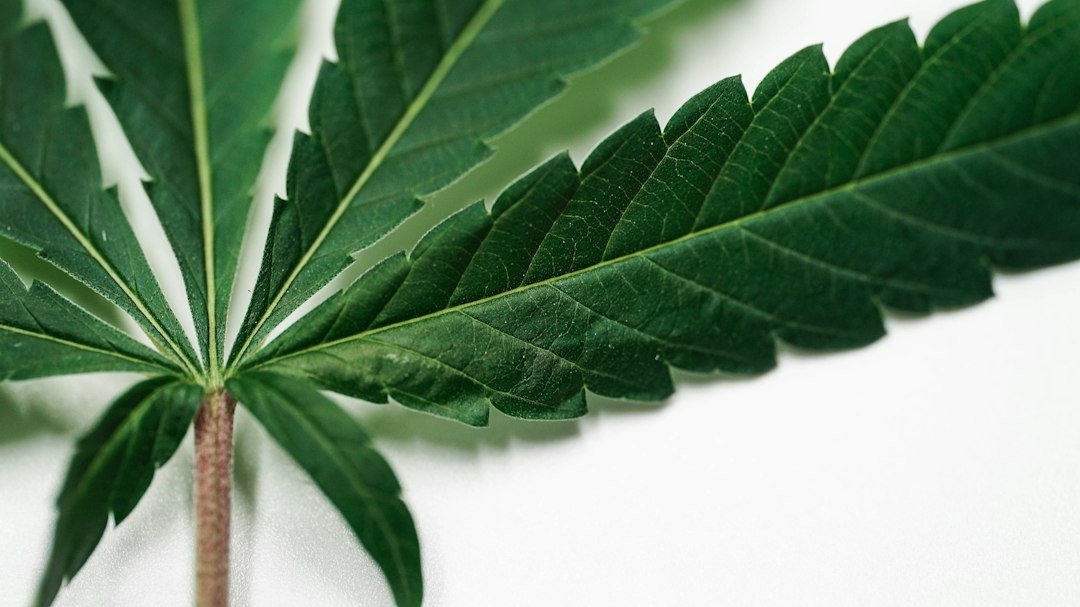
A regulatory inconsistency is creating compliance headaches, and potential mold risks, for cannabis cultivators exporting to Europe. According to reporting from Hanf Magazin on September 30, 2026, European authorities are drawing the line differently on where GACP (Good Agricultural and Collection Practice) ends and GMP (Good Manufacturing Practice) begins, particularly when it comes to the drying phase of cannabis flower production.
The Pre-Drying Gray Zone
The issue centers on pre-drying and initial drying steps. Some European authorities treat these processes as part of agricultural handling under GACP, while others hold them to GMP pharmaceutical manufacturing standards. For cultivators and exporters, that means a patchwork of expectations depending on the destination market.
Why does this matter? Because drying is one of the stages where mold contamination either takes hold or gets prevented. Cannabis flower with high moisture content is vulnerable to fungal growth if the drying environment is not well controlled. A cultivator who assumes the lighter GACP framework applies, while the buyer expects GMP-level controls, risks batches that fail microbial testing.
Drying: A Make-or-Break Moment for Microbial Quality
Industry veterans understand that the period immediately after harvest is among the highest-risk windows for Total Yeast and Mold (TYM) contamination. Warm, moist flower in poorly controlled drying conditions can support Aspergillus, Penicillium, and other spoilage organisms that later trigger compliance failures.
The disagreement among European authorities means some cultivators may be operating drying rooms without the environmental controls, documentation, and microbial monitoring that stricter GMP interpretations expect. For international exporters, particularly those supplying European medical channels, this ambiguity represents real financial exposure if a batch is rejected after logistics costs have already been incurred.
Addressing Contamination at the Source
The most reliable approach is to treat every batch as if it must meet the strictest applicable standard. That means robust environmental controls during drying, including airflow, temperature management, and humidity monitoring, and having a validated remediation option ready for batches that still develop microbial issues.
Cold plasma technology is one such option for cultivators facing TYM failures, particularly those serving pharmaceutical markets where irradiation is a concern and chemical treatments are unwelcome. Systems like Curaflo use ionized gas to reduce mold and bacteria on flower surfaces without chemicals or irradiation. For the medical market, cold plasma also preserves the terpene profiles and cannabinoid potency that determine product value.
Planning for Regulatory Reality
Until European authorities align their interpretations of where GACP ends and GMP begins, cultivators exporting to these markets would be wise to assume the stricter standard applies. Building cold plasma remediation into post-harvest workflows offers a safeguard against contamination that can develop during drying, regardless of which framework technically governs that stage.
More information on cold plasma remediation is available at curaflo.tech.
Leave a Reply