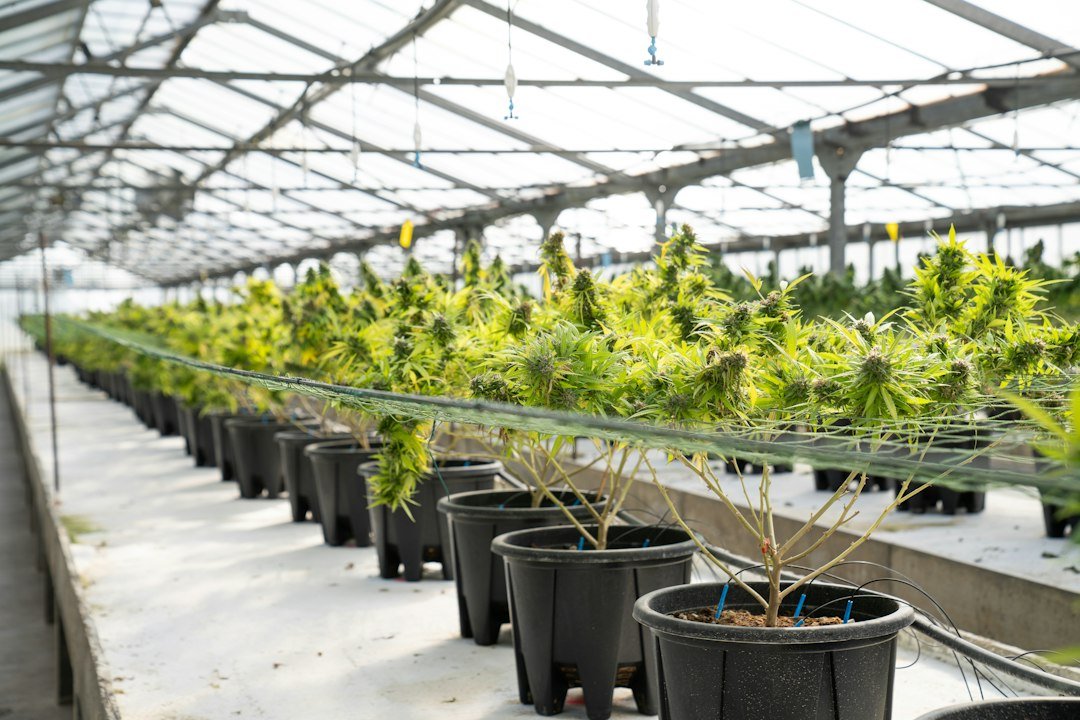
Portugal’s pharmaceutical regulator INFARMED has recently shortened cannabis export certificates to a validity of just 12 days, according to Hanf Magazin. For cultivators and exporters serving the European medical cannabis market, a compressed window like this raises the stakes for quality assurance.
What the Shortened Timeline Means
Portugal has emerged as a key cultivation hub for medical cannabis destined for Germany and other EU markets. The supply chain between Portuguese farms and German pharmacies involves multiple testing and documentation steps.
With export certificates valid for only 12 days, cultivators face a tighter margin for error. Any delay in the export process, whether from logistics, documentation, or failed quality testing, could leave a certificate expired before product crosses the border. Batches that fail microbial testing and require remediation may simply run out of time.
Microbial Compliance: The Hidden Bottleneck
Total Yeast and Mold (TYM) failures remain one of the most common reasons cannabis batches fail to meet European quality standards. When a harvest tests above acceptable limits, cultivators must either remediate the product or destroy it entirely.
Traditional remediation methods create their own complications. Gamma irradiation can reduce microbial counts, but raises concerns among some buyers and patients about potential terpene degradation and market perception. Chemical treatments may leave residues that trigger separate compliance failures. Both approaches take time, which is exactly the resource a short certificate window leaves little of.
For Portuguese cultivators exporting to Germany, where reported imports reached 67.6 tonnes in the first quarter of 2026, the math is unforgiving. A batch that fails initial testing, undergoes remediation, and requires retesting could easily eat up a short validity period.
Cold Plasma: A Faster, Cleaner Option
Cold plasma remediation offers a pathway through this bottleneck. Unlike irradiation or chemical treatments, cold plasma reduces mold, yeast, and bacteria using ionized gas at low temperatures. The process preserves THC potency and terpene profiles, which are critical factors for medical-grade flower commanding premium prices in European markets.
Because the process uses no chemicals, there are no residues to trigger separate testing failures, and it avoids the market perception issues some buyers associate with irradiated cannabis. For operations where consistent throughput directly impacts profitability, these factors compound.
Building Quality Systems for Tighter Markets
Portugal’s change reflects a broader trend: as global cannabis markets mature, tolerance for delays and quality inconsistencies shrinks. Cultivators who build remediation capability into their standard workflow, rather than treating it as an emergency measure, position themselves to meet increasingly demanding timelines.
For operations evaluating remediation technology, the calculation now includes not just effectiveness, but speed and preservation of product integrity under time pressure. Cold plasma systems like those developed by Curaflo are designed for exactly these compliance environments.
Learn more at curaflo.tech.
Leave a Reply