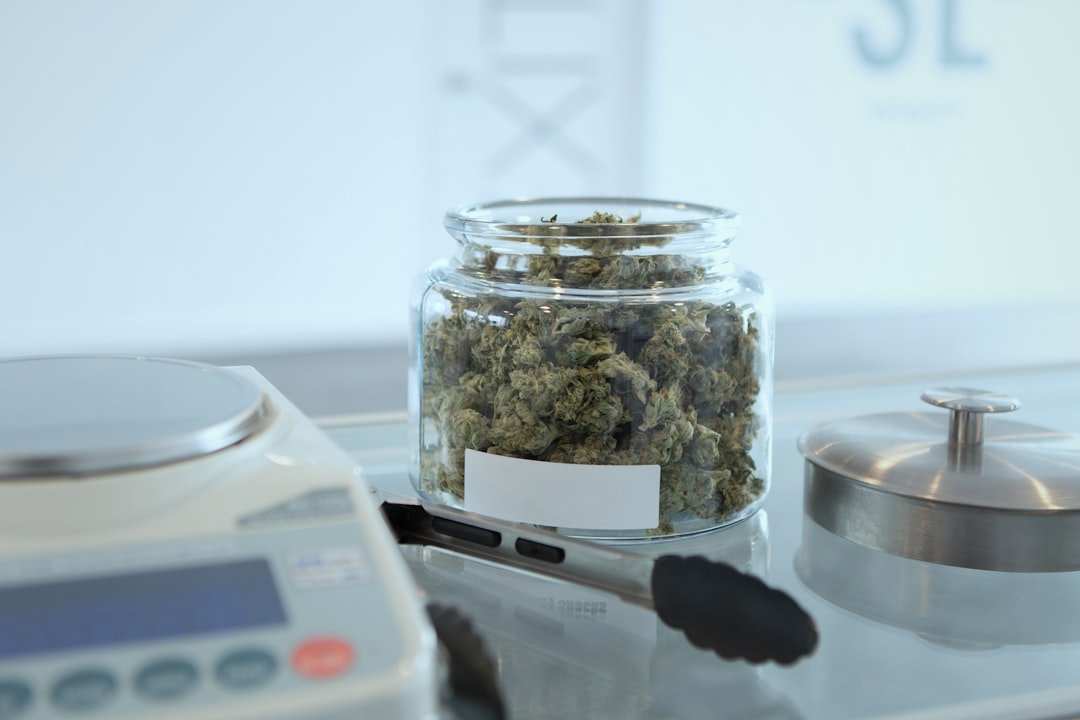
A recent recall of Cheech & Chong branded prerolls at a Phoenix dispensary has put the spotlight back on fungal contamination in cannabis products. According to Phoenix New Times, the products were pulled from shelves after testing revealed fungus levels that exceeded Arizona’s regulatory limits—a compliance failure that damages both brand reputation and consumer trust.
The High Cost of Contamination
For cultivators and manufacturers, a recall like this represents far more than a public relations headache. The direct financial losses are staggering: product destruction, testing fees, potential fines, and the operational disruption of halting sales. But the indirect costs often prove even more damaging. Retail partners lose confidence, consumers become wary, and the brand itself—in this case, one attached to cannabis legends Cheech Marin and Tommy Chong—suffers reputational harm that can take years to repair.
Arizona’s testing requirements for Total Yeast and Mold (TY&M) exist precisely to prevent contaminated products from reaching consumers. Yet even well-intentioned operations regularly face compliance failures. The reality is that cannabis flower is an agricultural product grown in warm, humid conditions that fungi find equally hospitable. Contamination can occur at nearly any stage: during cultivation, harvest, drying, curing, or storage.
Why Prerolls Are Particularly Vulnerable
Prerolls present unique contamination challenges. The grinding process exposes more surface area of the flower, and the manufacturing environment introduces additional touchpoints where mold spores can proliferate. Trim and shake material, often used in preroll production, may come from multiple harvests or growing rooms, compounding the risk. A single contaminated batch can compromise an entire production run.
For cultivators supplying flower to preroll manufacturers, this creates downstream liability. Even if contamination occurs after the flower leaves the cultivation facility, the grower’s reputation is often implicated when a retail product fails testing or triggers a recall.
Remediation Without Compromise
Historically, cultivators facing TY&M failures had limited options. Some turned to chemical treatments, which raise their own safety concerns and can leave residues that trigger different compliance failures. Others explored irradiation, which effectively kills pathogens but has been shown to degrade terpene profiles and can alter the sensory qualities that distinguish premium flower from commodity product.
Cold plasma technology has emerged as a third path—one that eliminates mold and bacteria without chemicals, without irradiation, and without compromising the cannabinoid and terpene content that defines product quality. The process works by generating reactive species that destroy microbial cell structures while leaving the plant’s molecular profile intact. Independent testing has confirmed that cold plasma remediation achieves significant pathogen reduction while preserving THC potency and terpene concentrations.
Prevention and Preparedness
No remediation technology replaces good cultivation practices. Environmental controls, proper drying and curing protocols, and rigorous sanitation remain the first line of defense against contamination. But even the most diligent operations can encounter TY&M failures—whether from a humidity spike, a contaminated clone, or simple bad luck.
Having a remediation strategy in place before a compliance failure occurs can mean the difference between salvaging a harvest and writing it off entirely. For cultivators who want to protect both their product and their reputation, understanding the available options is essential.
Growers interested in learning more about cold plasma remediation can explore the technology at curaflo.tech.
Leave a Reply