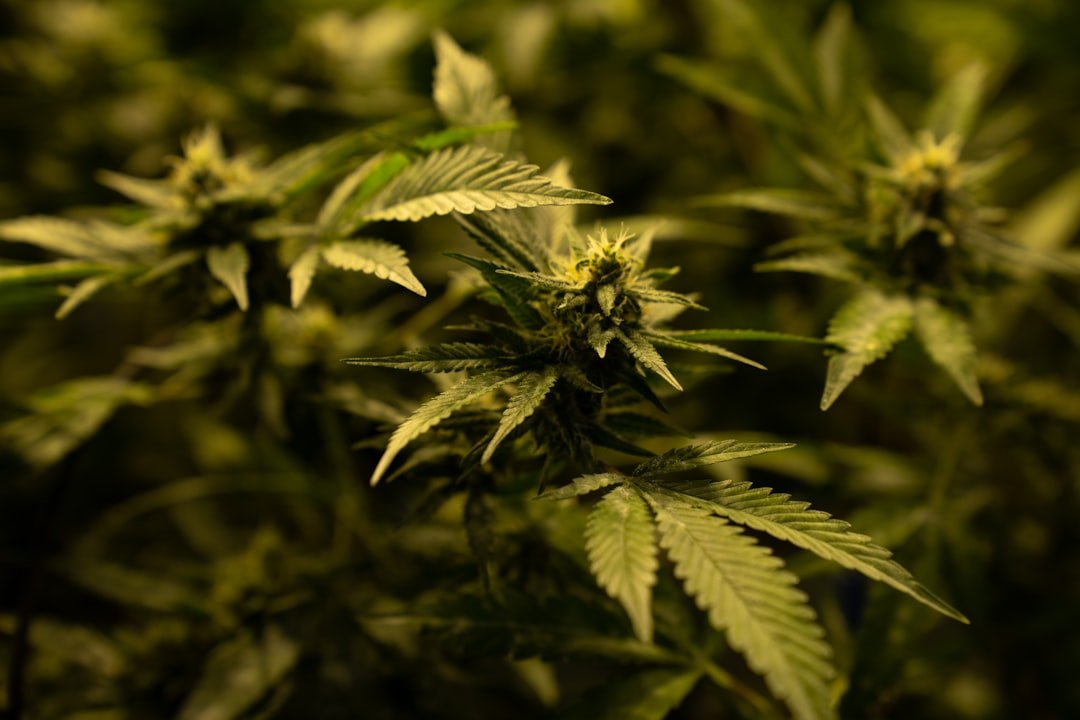
A Wall Street Journal investigation has brought national attention to an open secret in the cannabis industry: legal marijuana products contaminated with dangerous mold are reaching consumers because states approve them anyway. The exclusive report details systemic failures in testing protocols and regulatory oversight that allow contaminated flower to slip through compliance checkpoints.
The Scope of the Problem
The WSJ findings confirm what many in the industry have long suspected. Testing inconsistencies between labs, varying state standards for Total Yeast and Mold counts, and economic pressure on cultivators create conditions where contaminated products enter the legal supply chain. For immunocompromised patients relying on medical cannabis, exposure to Aspergillus and other pathogenic molds poses genuine health risks—risks that regulators are only beginning to acknowledge.
Cultivators face an impossible situation. A single TYM failure can mean scrapping an entire harvest worth tens or hundreds of thousands of dollars. Some turn to lab shopping, seeking facilities with more favorable results. Others quietly move product across state lines. Neither approach addresses the underlying contamination, and both expose operators to significant legal and reputational risk.
Why Contamination Persists
Mold spores are everywhere. They exist in outdoor grows, indoor facilities, and every step of the supply chain. Even the most meticulous cultivation practices cannot eliminate environmental exposure entirely. The challenge is not preventing all contamination—it is ensuring that final products meet safety thresholds before reaching consumers.
Traditional remediation approaches have failed cultivators. Irradiation alters terpene profiles and raises consumer concerns. Chemical treatments leave residues and create new compliance headaches. Heat-based methods degrade cannabinoids. Each option forces operators to choose between compliance and product quality.
Cold Plasma Technology Offers a Different Path
Cold plasma remediation represents a fundamentally different approach to microbial reduction. The technology uses ionized gas to neutralize mold spores and bacteria at the cellular level without heat, chemicals, or radiation. Because the process operates at low temperatures, it preserves the delicate terpenes and cannabinoids that define premium flower.
Unlike irradiation, cold plasma does not alter the molecular structure of plant material. Unlike chemical treatments, it leaves no residues requiring additional testing. The process addresses TYM contamination while maintaining the characteristics that cultivators work to develop throughout the growth cycle.
The Compliance Equation
For cultivators navigating the reality exposed by the WSJ investigation, the math is straightforward. Failed batches represent complete losses. Remediation that degrades product quality means selling premium flower at discount prices. Only solutions that eliminate contamination while preserving quality allow operators to recover full value from their harvests.
As regulatory scrutiny increases following national media attention, cultivators who have already integrated effective remediation into their workflows will find themselves better positioned than those scrambling to respond. The WSJ story may accelerate this reckoning.
Operators evaluating cold plasma remediation can learn more about the technology and its applications at curaflo.tech.
Leave a Reply