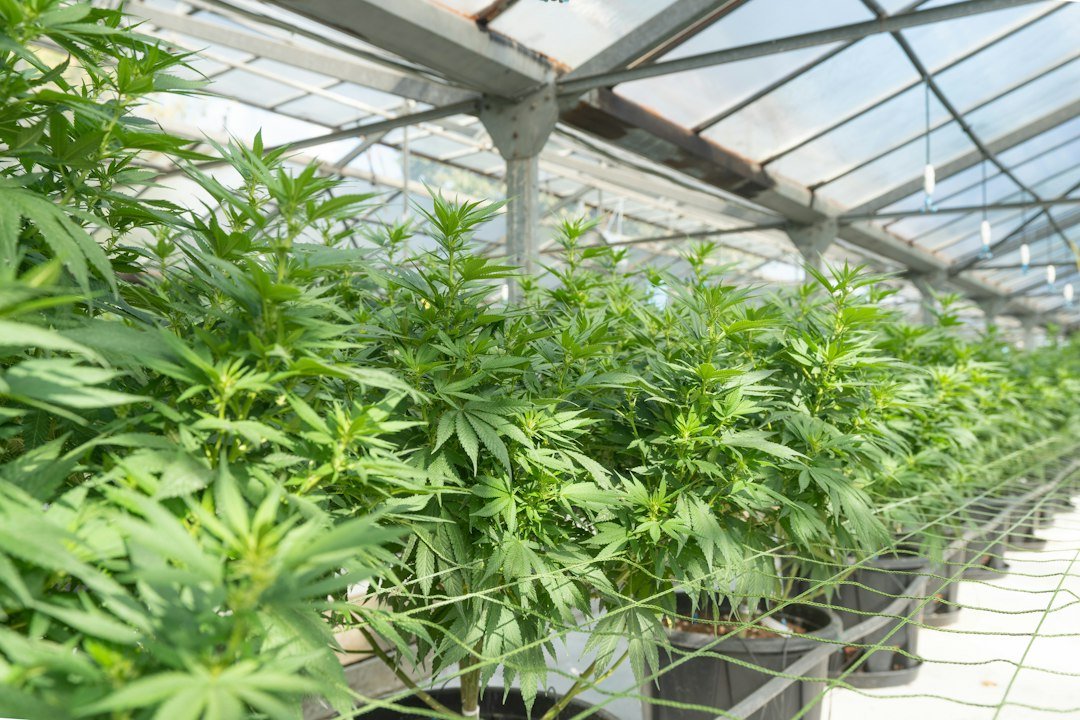
A Colorado cannabis company has recently recalled dozens of contaminated products on a voluntary basis, a decision made more complicated by ongoing delays in the state’s regulatory response system. A ProPublica report highlights a troubling reality: when contamination strikes, cultivators often find themselves navigating a bureaucratic maze while potentially unsafe products remain in circulation.
The Regulatory Gap Problem
The lag time between detection and official action represents a critical vulnerability in Colorado’s cannabis safety infrastructure—one that isn’t unique to the Centennial State.
For cultivators, this situation illustrates a harsh truth: passing initial compliance testing doesn’t guarantee products will remain compliant through the supply chain. Environmental factors, storage conditions, and time can all contribute to microbial growth that pushes Total Yeast and Mold (TY&M) counts above acceptable thresholds.
The Financial Toll of Reactive Compliance
Voluntary recalls carry enormous costs beyond the destroyed product itself. Brand reputation suffers, retail relationships become strained, and the operational disruption can ripple through an organization for months. When regulatory systems move slowly, these costs compound as uncertainty extends the crisis timeline.
The Colorado situation also raises questions about how many contamination issues go unaddressed when companies lack the internal testing resources to catch problems early. State testing catches problems at specific checkpoints, but microbial contamination is a dynamic challenge that can develop between harvest and sale.
Prevention vs. Reaction: A Strategic Shift
The cannabis industry has historically treated contamination as a testing problem—something to detect rather than prevent. But as recalls become more frequent and regulatory scrutiny intensifies, forward-thinking cultivators are investing in remediation technologies that address contamination before it becomes a compliance failure.
Cold plasma remediation has emerged as a particularly promising approach for flower products. Unlike irradiation, which can degrade cannabinoid and terpene profiles, cold plasma technology uses ionized gas to neutralize mold spores and bacteria at the cellular level. The process requires no chemicals, leaves no residue, and preserves the delicate compounds that determine product quality and market value.
How Cold Plasma Works
Cold plasma generates reactive oxygen and nitrogen species that disrupt microbial cell membranes without affecting plant tissue. The treatment occurs at ambient temperatures, which is critical for preserving heat-sensitive terpenes. For cultivators facing TY&M failures, this technology offers a path to compliance that doesn’t sacrifice the characteristics consumers pay premium prices for.
The technology is particularly relevant for operations dealing with environmental contamination sources that are difficult to eliminate entirely—older facilities, humid climates, or outdoor grows where complete microbial control is impossible.
Building Resilience Into Operations
The Colorado recall serves as a reminder that contamination risk management requires multiple layers of defense. Improved facility hygiene, environmental controls, and rapid internal testing all play important roles. But when prevention fails, having access to effective remediation technology can mean the difference between a minor setback and a catastrophic loss.
As the industry matures and consolidates, operators who can consistently deliver compliant product will have significant advantages over those still playing compliance roulette. Curaflo’s cold plasma system gives cultivators a safety net that protects both product and reputation. Learn more at curaflo.tech.
Leave a Reply