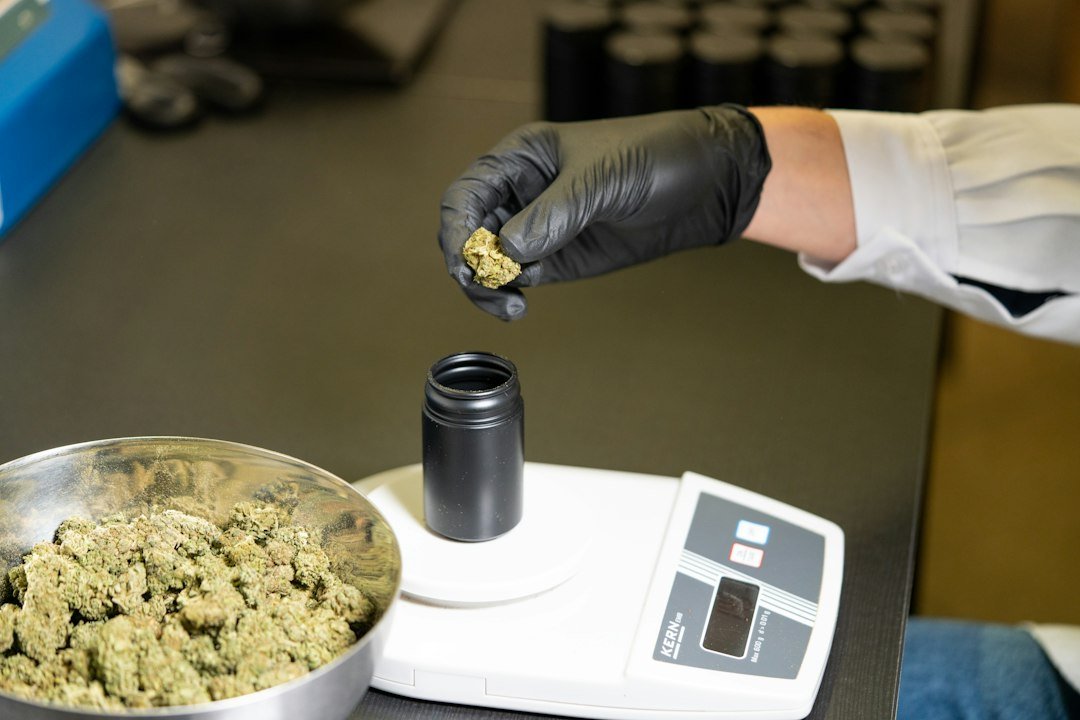
A cannabis product recall issued in mid-September 2026 due to potential mold contamination serves as another reminder of the persistent microbial challenges facing cultivators across the United States. While specific details about the affected products and manufacturer remain limited, the recall follows a familiar pattern that has plagued the industry throughout the year.
The Recurring Cost of Mold Failures
Mold and yeast contamination continues to be one of the most common—and costly—reasons for cannabis product recalls and compliance failures. When cultivators fail Total Yeast and Mold (TY&M) testing, the consequences extend far beyond a single batch. Entire harvests can be rendered unsellable, supply chain commitments go unfulfilled, and brand reputation suffers lasting damage.
For operators already navigating thin margins and intense competition, a contamination event can mean the difference between profitability and closure. The financial toll compounds when product has already been packaged, distributed, or worse—sold to consumers who must now be notified of potential health risks.
Why Prevention Alone Falls Short
Most cultivators understand the importance of environmental controls, proper HVAC systems, and rigorous sanitation protocols. Yet even the most diligent operations encounter microbial challenges. Fluctuations in humidity, inconsistent drying conditions, or simply the biological reality of working with organic plant material means contamination can occur despite best efforts.
The question becomes: what happens when prevention fails? Historically, cultivators facing TY&M failures had limited options. Some turned to irradiation, which raises concerns about terpene degradation and consumer perception. Others explored chemical treatments that introduce their own compliance and safety questions. Many simply absorbed the loss, destroying valuable product rather than risk further complications.
Cold Plasma: A Third Path Forward
Cold plasma technology has emerged as an increasingly viable remediation approach that addresses the limitations of traditional methods. The process uses ionized gas to neutralize mold spores and bacteria on cannabis flower without introducing chemicals, radiation, or excessive heat.
For cultivators concerned about preserving the qualities that determine market value—cannabinoid content, terpene profiles, and overall flower integrity—cold plasma offers a compelling proposition. The technology works at ambient temperatures, avoiding the thermal stress that can degrade volatile compounds.
Curaflo has developed a cold plasma remediation system specifically designed for cannabis applications. The approach eliminates microbial contamination while maintaining THC levels and preserving the terpene profiles that define strain characteristics and consumer experience.
Building Resilience Into Operations
As regulatory frameworks mature and testing requirements become more stringent across state markets, cultivators who build remediation capabilities into their operational planning will be better positioned to weather contamination events. Rather than treating microbial failure as a catastrophic endpoint, forward-thinking operators are beginning to view effective remediation as a standard quality assurance tool.
The economics are straightforward: the cost of remediation technology is typically a fraction of the wholesale value of product that would otherwise be destroyed. For operations processing significant volume, the math becomes even more favorable.
Recalls will continue to make headlines as long as cannabis remains an agricultural product subject to biological realities. The cultivators who thrive will be those who prepare for this inevitability with solutions that protect both their product and their bottom line. Learn more about cold plasma remediation at curaflo.tech.
Leave a Reply