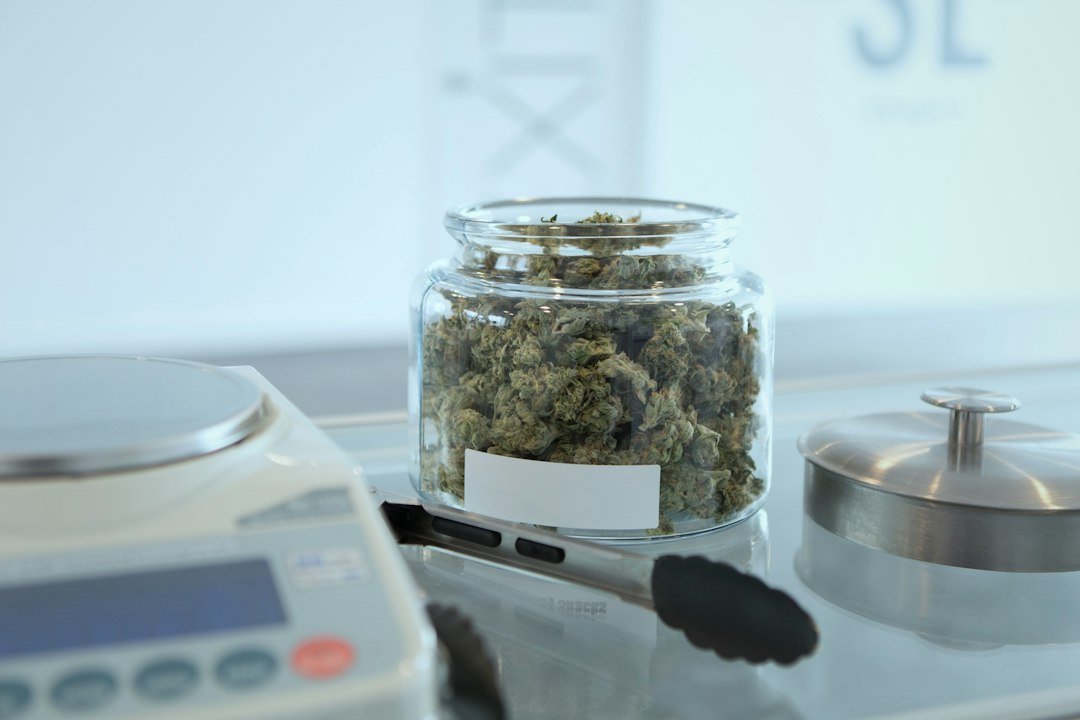
In July 2026, Arizona regulators issued a recall affecting two cannabis products due to possible fungus contamination. The incident serves as another reminder that microbial contamination remains one of the most persistent and costly challenges facing cannabis cultivators across the country.
Arizona Joins Growing List of Recall States
Arizona’s regulated cannabis market, while relatively mature compared to some newer state programs, continues to grapple with the same contamination issues that plague cultivators nationwide. Fungal contamination—whether from mold, yeast, or other microbial sources—can develop at virtually any stage of cultivation, drying, curing, or storage.
What makes these incidents particularly frustrating for operators is their unpredictability. A facility can pass dozens of compliance tests only to see an entire batch fail due to environmental conditions that shifted during a single phase of production. The financial impact extends beyond the recalled product itself: brand reputation suffers, retail relationships become strained, and the operational disruption ripples through the entire supply chain.
The Root Cause Problem
Cannabis flower is inherently susceptible to microbial contamination. The plant’s dense flower structure, combined with the moisture content required during cultivation and the organic matter present throughout the growing process, creates conditions where mold and yeast can thrive. Traditional approaches to preventing contamination—improved HVAC systems, stricter environmental controls, enhanced sanitation protocols—help reduce risk but cannot eliminate it entirely.
When contamination does occur, cultivators face difficult choices. Some batches can be redirected to extraction, though this often means selling at a fraction of the flower’s potential value. In many cases, product must simply be destroyed, representing a total loss on weeks or months of cultivation investment.
Remediation Without Compromise
The industry has historically had limited options for addressing contamination after harvest. Irradiation methods, while effective at killing microbes, have faced resistance from consumers and raise questions about their impact on the final product’s quality. Chemical treatments introduce their own compliance concerns and can leave residues that affect both safety testing and consumer perception.
Cold plasma technology represents a fundamentally different approach to cannabis remediation. The process uses ionized gas to neutralize mold, yeast, and bacteria at the cellular level—eliminating contamination without chemicals, without irradiation, and critically, without degrading the cannabinoid and terpene profiles that define product quality and value.
This matters because the goal isn’t simply passing a compliance test. Cultivators invest significant resources in developing and maintaining specific genetic profiles, dialing in cultivation parameters to maximize potency and terpene expression. A remediation process that saves a batch from destruction but strips away its defining characteristics isn’t truly solving the problem—it’s trading one loss for another.
Building Compliance Into Operations
For cultivators watching Arizona’s recall and wondering how to protect their own operations, the path forward involves acknowledging that contamination risk cannot be fully prevented through upstream controls alone. Having a remediation solution in place before problems occur transforms compliance failures from potential disasters into manageable operational events.
Cold plasma systems can process flower quickly, preserve product integrity, and provide documentation to demonstrate compliance—turning what would otherwise be a total loss into recovered revenue. For operations scaling production or expanding into new markets with stricter testing requirements, this capability can be the difference between sustainable growth and constant vulnerability to contamination events.
Curaflo’s cold plasma remediation system is helping cultivators across the industry address these challenges with a solution designed specifically for cannabis flower preservation. Learn more at curaflo.tech.
Leave a Reply