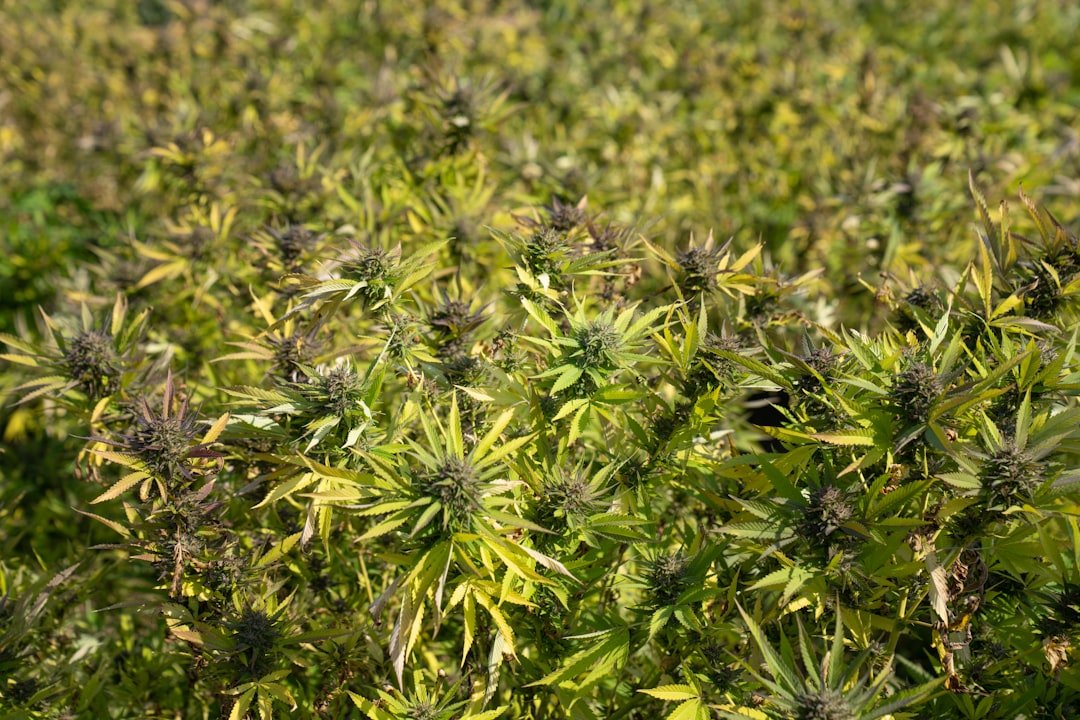
A new MJBizDaily investigation reveals what many in the cannabis industry have long suspected: recall systems are fundamentally broken. By the time contamination alerts reach dispensaries and consumers, the affected products have often already been sold and consumed. The reporting gap between failed test results and public notification can stretch days or even weeks—a timeline that renders recalls more symbolic than protective.
The Math Doesn’t Work
Cannabis flower moves fast. A batch that fails post-sale testing may have already passed through dozens of dispensaries and into the hands of hundreds of consumers before any recall is issued. Unlike shelf-stable products in traditional retail, cannabis has a compressed sales cycle. Cultivators push product to market quickly to preserve freshness and meet demand, which means contaminated batches don’t sit waiting to be pulled.
This reality puts enormous pressure on the front end of the supply chain. Regulators can refine recall protocols indefinitely, but the fundamental physics of the problem remain: you cannot recover what has already been consumed.
Why Contamination Happens Despite Testing
Total Yeast and Mold (TY&M) failures don’t always stem from negligence. Mold spores are ubiquitous in cultivation environments, and even well-managed facilities can produce batches that test clean initially but develop contamination during curing, storage, or transport. Temperature fluctuations, humidity spikes, and extended time between harvest and final testing all increase risk.
The industry’s reliance on batch testing also creates statistical gaps. A sample pulled from one section of a harvest may pass while another section harbors contamination. This variability means cultivators can do everything right and still face failures—and the resulting recalls—that damage both their reputation and their bottom line.
Prevention as the Only Reliable Strategy
If recalls cannot meaningfully protect consumers, the logical conclusion is that contamination must be addressed before products leave the facility. This shifts the burden to cultivators, who need effective remediation options that don’t compromise product quality.
Cold plasma technology has emerged as a compelling solution to this challenge. Unlike irradiation, which can degrade terpenes and alter cannabinoid profiles, cold plasma eliminates mold and bacteria at the molecular level without heat, chemicals, or radiation. The process works by generating reactive species that neutralize microbial threats while leaving the flower’s essential compounds intact.
How Cold Plasma Works
Cold plasma systems ionize ambient air to create a field of reactive oxygen and nitrogen species. When cannabis flower passes through this field, the reactive species penetrate the surface and destroy microbial cell structures. The process takes minutes, requires no consumables, and leaves no residue. Critically, independent testing has shown that THC potency and terpene profiles remain unchanged after treatment.
For cultivators facing the unpredictability of TY&M testing, cold plasma offers something recalls cannot: certainty. Treating flower before final testing eliminates the gamble of batch failures and the cascading consequences of post-market contamination discovery.
The Economics of Getting Ahead
A single failed batch can cost tens of thousands of dollars in destroyed product, not counting the reputational damage and potential regulatory scrutiny that follows. Recall scenarios compound these losses with logistics costs, dispensary chargebacks, and consumer trust erosion. Compared to these risks, integrating remediation into standard processing workflows represents a straightforward cost-benefit calculation.
As regulatory frameworks mature and consumer awareness grows, cultivators who solve contamination proactively will hold a significant competitive advantage over those still playing defense against recall timelines that were never designed to work.
Curaflo’s cold plasma systems are helping cultivators across the country eliminate TY&M failures before they happen—learn more at curaflo.tech.
Leave a Reply