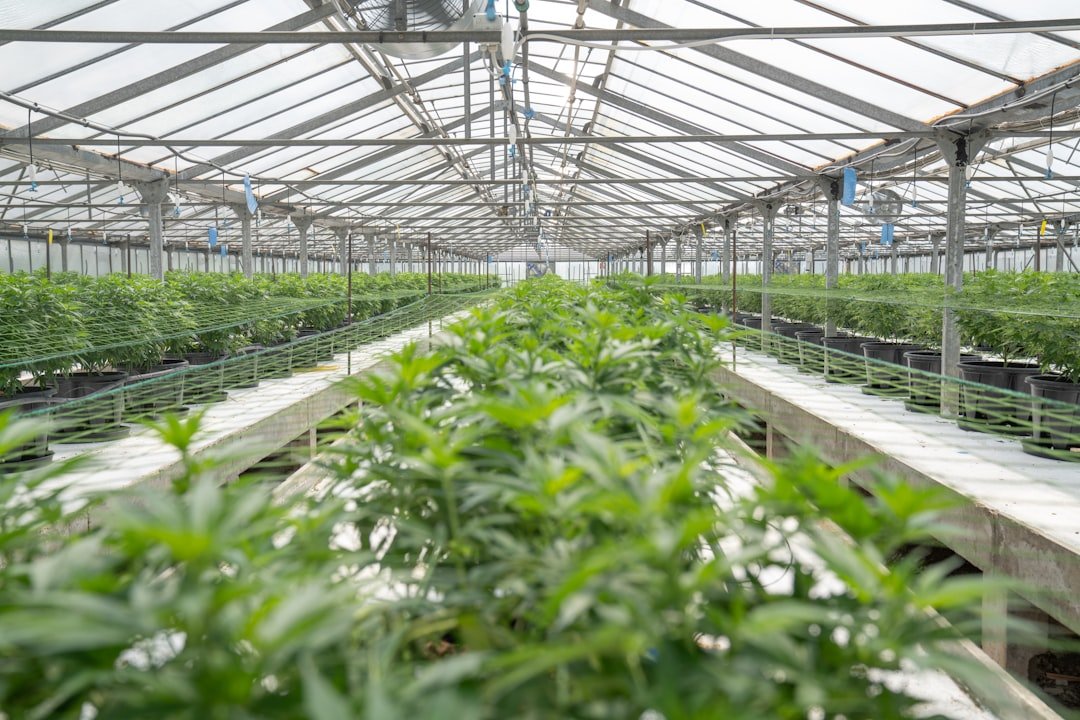
Vermont’s cannabis industry faces a critical inflection point. Following the discovery of contaminated cannabis products reaching consumers, the state’s Cannabis Control Board chair is now publicly calling for the establishment of a state-run testing laboratory—a significant policy shift that signals growing regulatory concern over product safety in emerging markets.
The Vermont Situation
The contamination incident that prompted this response highlights a persistent vulnerability in cannabis supply chains: the gap between cultivation and consumer protection. When contaminated products slip through existing testing protocols, it erodes consumer trust and exposes the limitations of current quality assurance systems.
Vermont’s relatively young adult-use market is grappling with challenges that more established states know all too well. The call for a state testing lab reflects frustration with the current third-party testing landscape, where inconsistent standards and potential conflicts of interest have drawn criticism nationwide.
A National Pattern Emerges
Vermont is not alone. Across the country, state regulators are issuing recalls at an accelerating pace. Total Yeast and Mold (TY&M) contamination remains the most common compliance failure, often catching cultivators off guard after significant investment in what appeared to be a successful harvest.
The economics are brutal. A single failed batch can represent tens of thousands of dollars in lost product, not to mention the reputational damage and regulatory scrutiny that follows. For smaller operations, one contamination event can threaten the entire business.
Why Traditional Remediation Falls Short
Cultivators facing contamination have historically relied on a limited set of options, each with significant drawbacks. Gamma irradiation effectively kills pathogens but raises concerns among consumers and can degrade product quality. Chemical treatments introduce residue risks and compliance complications. Simply destroying contaminated product protects consumers but devastates profitability.
The industry has long needed a remediation approach that eliminates pathogens without compromising the qualities that make cannabis valuable in the first place—cannabinoid content and terpene profiles.
Cold Plasma Technology: A Different Approach
Cold plasma remediation has emerged as a compelling alternative for cultivators facing TY&M compliance failures. The technology uses ionized gas to neutralize mold spores and bacteria at the cellular level, without chemicals, without irradiation, and without the heat that degrades sensitive compounds.
Unlike other methods, cold plasma treats flower in a way that preserves THC potency and maintains the terpene profiles that distinguish premium product. For cultivators, this means salvaging harvests that would otherwise be written off entirely—turning compliance failures into compliant, sellable inventory.
The process addresses the root cause of what Vermont regulators are now confronting: product that tests clean before packaging can develop contamination issues later if underlying spore loads are not adequately reduced during processing.
What This Means Going Forward
Vermont’s push for a state testing lab signals that regulatory oversight will only intensify. Cultivators who view remediation as an afterthought rather than an integrated part of their quality assurance process will face mounting risk as testing becomes more rigorous and consistent.
The operations that thrive will be those treating contamination prevention and remediation as core competencies, not emergency responses. Cold plasma technology offers a path forward that aligns product safety with product quality—a combination that satisfies regulators, protects consumers, and preserves cultivator margins.
For more information on cold plasma remediation solutions, visit curaflo.tech.
Leave a Reply