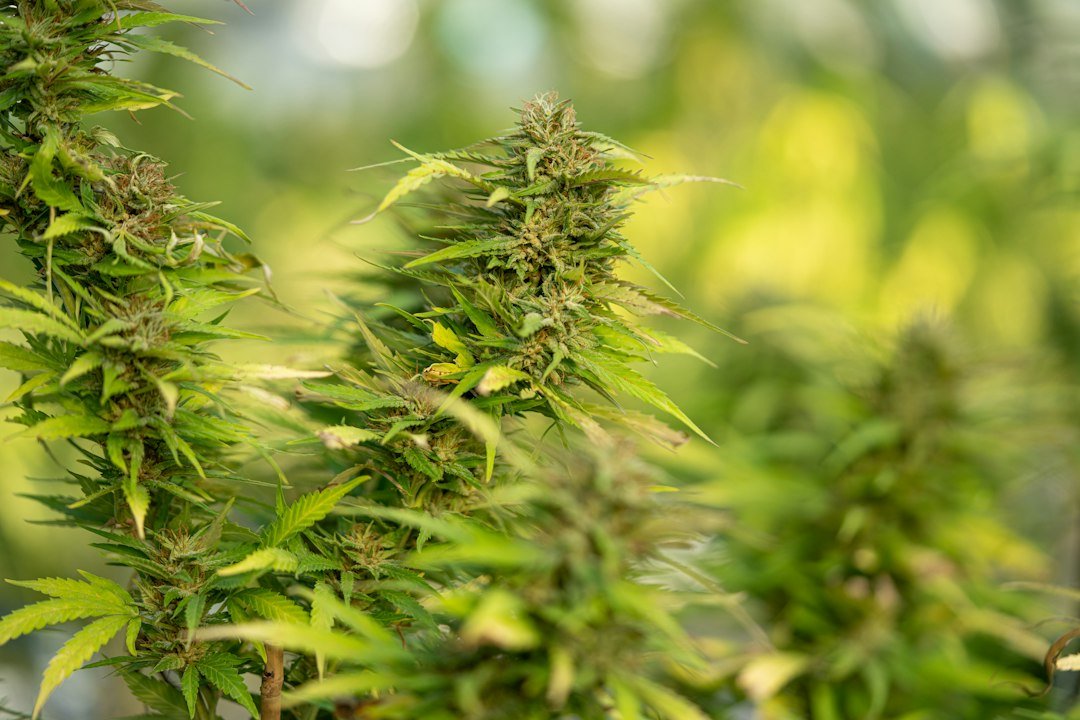
A Colorado marijuana company has voluntarily recalled dozens of contaminated products, according to a ProPublica report published this week. The recall comes amid reported delays in state regulatory response, raising serious questions about the reliability of existing compliance frameworks and the financial exposure cultivators face when contamination issues arise.
The Growing Cost of Contamination Events
When a cannabis company initiates a voluntary recall, it typically signals that internal quality controls caught something that made it past initial testing—or that post-market surveillance revealed problems that testing alone couldn’t prevent. Either scenario represents a significant financial hit for the cultivator and everyone downstream in the supply chain.
The Colorado situation highlights a systemic vulnerability: regulatory agencies are often understaffed and overwhelmed, meaning cultivators cannot rely solely on state oversight to catch problems before products reach consumers. Companies must build their own robust contamination prevention strategies or risk bearing the full weight of recall costs, reputation damage, and potential legal liability.
Why Testing Alone Isn’t Enough
Third-party testing remains the cornerstone of cannabis compliance, but it has inherent limitations. Tests represent a snapshot of a small sample at a specific moment. Microbial contamination, particularly mold and yeast, can proliferate during storage and transportation—long after a batch has passed testing.
This reality puts cultivators in a difficult position. Even with clean test results in hand, environmental factors during curing, packaging, and distribution can push Total Yeast and Mold (TY&M) counts above acceptable thresholds. A batch that tested clean on Monday can fail on Friday if storage conditions allow microbial growth.
Cold Plasma Technology: A Proactive Approach
Forward-thinking cultivators are increasingly looking beyond test-and-hope strategies toward active remediation technologies that eliminate contamination before it becomes a compliance failure. Cold plasma remediation has emerged as one of the most promising approaches.
Unlike irradiation, which can degrade cannabinoids and terpenes while carrying consumer perception baggage, cold plasma uses ionized gas to neutralize mold spores and bacteria at the cellular level. The process requires no chemicals, leaves no residue, and preserves the flower’s original terpene profile and potency.
This matters for cultivators who have invested heavily in strain genetics and cultivation techniques designed to produce specific flavor and effect profiles. Traditional remediation methods often save a batch from compliance failure only to strip away the characteristics that made it valuable in the first place.
Building Recall-Resistant Operations
The Colorado recall serves as a reminder that contamination events can happen to any operation, regardless of size or reputation. The companies that weather these storms best are those with remediation capabilities already integrated into their workflow—not scrambling to find solutions after a failed test.
Cold plasma systems like those developed by Curaflo can be deployed as a standard step in post-harvest processing, creating a consistent contamination barrier that doesn’t rely on regulatory agencies to function properly or testing to catch every potential issue.
For cultivators evaluating their contamination risk exposure, the question isn’t whether to invest in remediation technology—it’s whether they can afford not to. Learn more about cold plasma remediation at curaflo.tech.
Leave a Reply