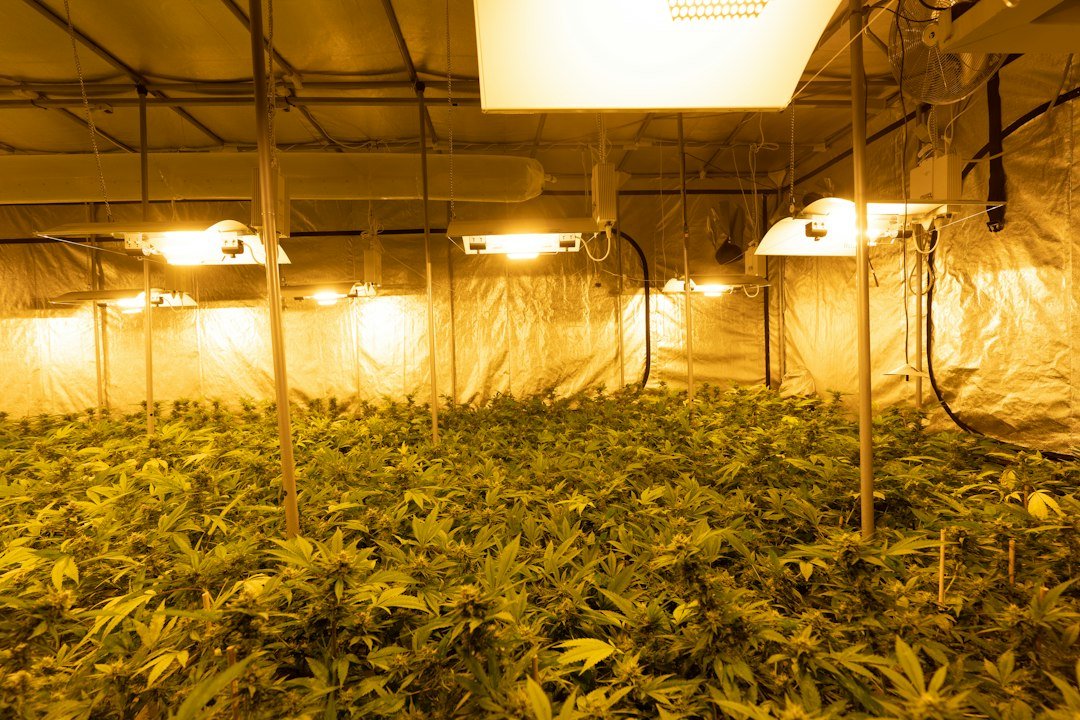
A Colorado cannabis company has voluntarily recalled dozens of contaminated products, according to a ProPublica investigation published this week. The recall comes amid growing concerns about state regulatory delays that leave both operators and consumers in precarious positions.
When Self-Regulation Becomes the Only Option
The voluntary nature of this recall underscores a troubling reality in cannabis compliance: companies are increasingly left to police themselves when state agencies lack the resources or systems to respond quickly. While this particular operator acted responsibly by initiating a recall, the broader implications raise serious questions about what happens when contaminated products slip through undetected.
For cultivators, the message is clear. Waiting for regulators to catch contamination issues is a losing strategy. By the time a state agency identifies a problem, the damage is already done — product has shipped, consumers have been exposed, and brand reputation has taken a hit that no press release can fully repair.
The Real Cost of Contamination
Recalls don’t just mean lost product. They mean lost shelf space, lost retailer relationships, and lost consumer confidence. For a mid-sized cultivator, a single contamination event can mean six figures in direct losses before accounting for the long tail of reputational damage.
The Colorado situation also highlights a systemic challenge: regulatory frameworks were designed for an industry that looked very different five years ago. Testing requirements have tightened, but the infrastructure to support rapid response hasn’t kept pace. Cultivators are caught in the middle, facing stricter compliance standards while state agencies struggle with backlogs and understaffing.
Prevention Over Reaction
The economics of contamination have shifted decisively toward prevention. Waiting to see if a batch passes testing — and hoping for the best — is no longer a viable operational strategy. Forward-thinking cultivators are building remediation into their standard workflow, treating it as insurance rather than emergency intervention.
Cold plasma technology has emerged as one solution gaining traction among operators who need to eliminate mold and bacteria without compromising product quality. Unlike irradiation, which can degrade terpene profiles and raise consumer concerns, cold plasma works at low temperatures and requires no chemicals or additives. The process neutralizes microbial contaminants while preserving the cannabinoid and terpene content that determines product value.
How Cold Plasma Works
Cold plasma remediation uses ionized gas to destroy the cellular structure of mold, yeast, and bacteria on contact. Because the process operates without heat or chemical agents, it leaves flower intact — no off-flavors, no diminished potency, no regulatory complications from added substances.
For cultivators facing Total Yeast and Mold (TYM) compliance failures, this represents a path to salvaging harvests that would otherwise be total losses. The technology has particular relevance in states like Colorado, where testing standards are rigorous and the consequences of failure are severe.
Building Resilience Into Operations
The Colorado recall is a reminder that contamination risk is endemic to cannabis cultivation. Humidity, organic material, and enclosed grow environments create ideal conditions for microbial growth. The question isn’t whether contamination will occur — it’s whether operators have systems in place to address it before it reaches consumers.
Companies like Curaflo are helping cultivators integrate cold plasma remediation into their operations, offering a chemical-free, terpene-safe solution that addresses TYM failures without the drawbacks of traditional approaches. Learn more at curaflo.tech.
Leave a Reply