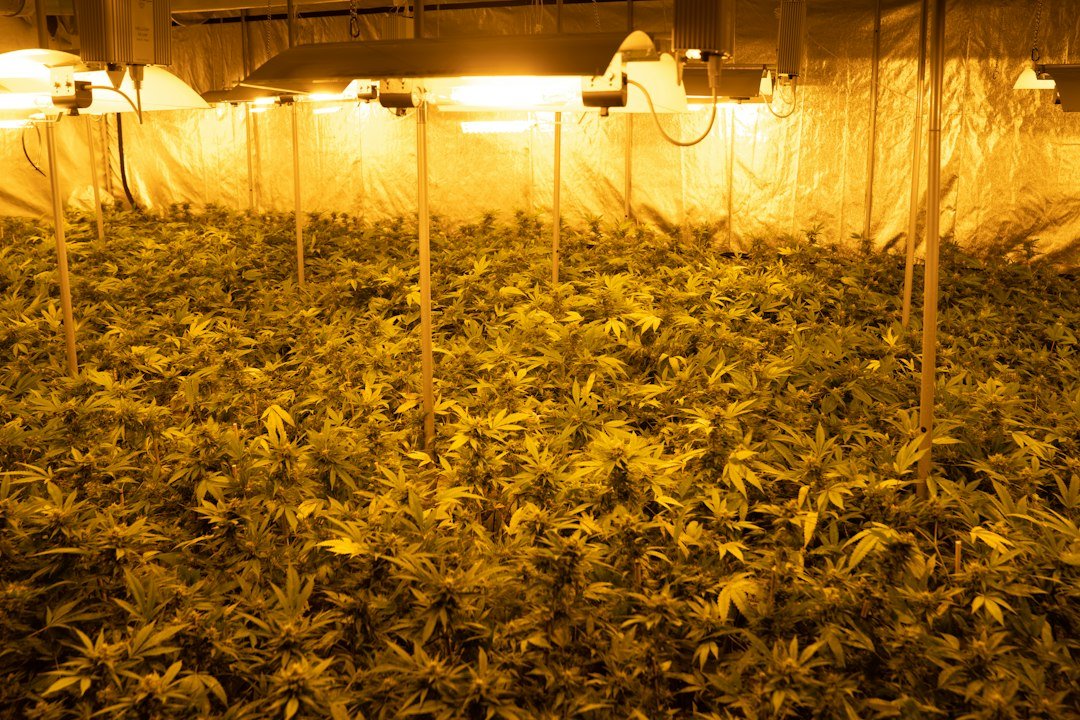
Colorado health officials issued a consumer advisory and mandatory recall in early February after Sweetwater cannabis flower tested positive for mold and Aspergillus contamination. The affected product reached 31 dispensary locations before testing flagged the issue, forcing a statewide retrieval effort and raising fresh questions about contamination prevention in commercial cultivation.
The Scope of the Recall
Aspergillus is not a minor concern. Unlike some mold species that pose limited risk to healthy adults, Aspergillus can cause serious respiratory infections, particularly in immunocompromised consumers—a demographic that includes many medical cannabis patients. Colorado’s Marijuana Enforcement Division does not issue health advisories lightly, and the involvement of 31 retail locations signals a significant distribution footprint before the contamination was caught.
For Sweetwater and other cultivators watching this unfold, the financial damage extends well beyond the recalled product itself. Brand reputation, retailer relationships, and future testing scrutiny all take hits when a recall goes public. And in a market where margins are already compressed, absorbing the cost of lost inventory can be devastating.
Why Contamination Keeps Slipping Through
The frustrating reality is that Aspergillus and other Total Yeast & Mold (TY&M) failures often originate from conditions that seem under control. Spores are ubiquitous in cultivation environments, and even facilities with strong HVAC protocols can see contamination spike during curing or storage. By the time flower reaches final testing, remediation options are limited—and many of them come with trade-offs that cultivators find unacceptable.
Irradiation, the most common remediation method for failing flower, raises concerns among consumers and can degrade terpene profiles. Chemical treatments carry residue risks and regulatory complications. For cultivators who have invested in craft-quality genetics and meticulous growing practices, these options feel like losing either way: fail compliance and lose the batch, or pass compliance but compromise the product.
Cold Plasma Technology Offers a Different Path
A growing number of cultivators are turning to cold plasma remediation as a way to address TY&M failures without the drawbacks of legacy methods. Cold plasma technology uses ionized gas to neutralize mold and bacteria at the microbial level, eliminating contamination without chemicals, without irradiation, and without the heat that destroys volatile terpenes.
The science behind cold plasma is well-established in food safety and medical sterilization, but its application in cannabis is relatively recent. What makes it particularly relevant for situations like the Sweetwater recall is its ability to remediate flower that would otherwise be a total loss—while preserving the THC potency, terpene content, and overall quality that cultivators worked to achieve in the first place.
Prevention vs. Remediation
No remediation technology replaces proper cultivation hygiene, environmental controls, and careful handling during harvest and cure. But contamination events will happen, even in well-run facilities. The question is whether cultivators have a viable recovery option when they do.
For operations that have experienced the financial gut-punch of a failed batch—or watched competitors go through it—investing in remediation capability is increasingly seen as basic risk management rather than optional insurance.
Cultivators interested in exploring cold plasma remediation can learn more about the technology and its applications at curaflo.tech.
Leave a Reply