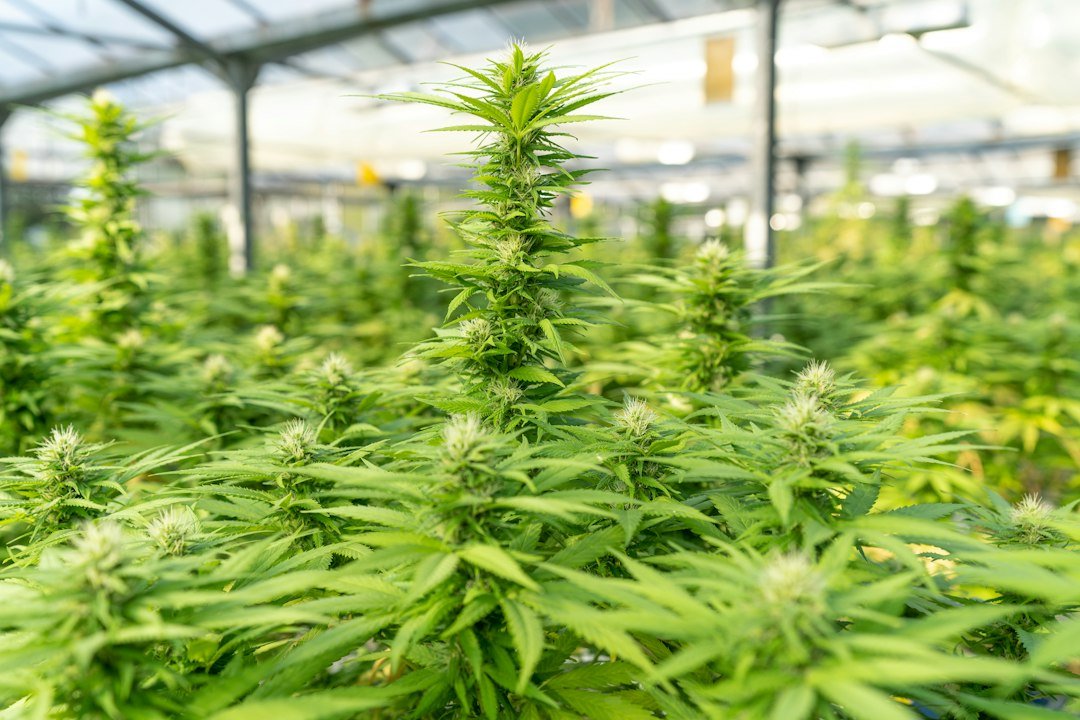
A Colorado marijuana company has voluntarily recalled dozens of contaminated products this week, according to a ProPublica investigation published September 25, 2026. The recall comes amid mounting criticism of state regulatory delays that left potentially unsafe products on dispensary shelves far longer than necessary.
When Voluntary Action Becomes the Only Option
The ProPublica report highlights a troubling pattern in Colorado’s cannabis oversight: companies are increasingly forced to self-police contamination issues because state regulators cannot keep pace with the volume of compliance failures. For the cultivator at the center of this recall, the decision to pull dozens of SKUs represents not just a public safety measure, but a significant financial blow that could have been prevented.
This scenario is becoming distressingly familiar across legal cannabis markets. When contamination—typically mold, yeast, or bacterial growth—is detected at the testing stage, cultivators face an impossible choice: destroy the harvest, attempt remediation with methods that may compromise quality, or risk the reputational damage of a public recall.
The Real Cost of Contamination Failures
Industry analysts estimate that Total Yeast and Mold (TY&M) failures cost cannabis cultivators between 10-15% of annual production nationwide. For a mid-sized operation, that translates to hundreds of thousands of dollars in lost revenue per year. But the Colorado case illustrates that the costs extend far beyond the destroyed product itself.
Recalls trigger mandatory hold periods on remaining inventory, create supply chain disruptions with retail partners, and—perhaps most damaging—erode consumer trust in brands that may have spent years building credibility. The regulatory delays ProPublica documented compound these problems, leaving companies in limbo while contaminated products potentially remain in circulation.
Prevention vs. Reaction: The Remediation Question
Traditional approaches to cannabis contamination have forced cultivators into uncomfortable tradeoffs. Irradiation methods, while effective at eliminating microbial threats, have faced consumer resistance and can degrade the terpene profiles that differentiate premium flower. Chemical treatments raise their own safety concerns and regulatory complications.
Cold plasma technology has emerged as an alternative that sidesteps these compromises. The process uses ionized gas to neutralize mold spores and bacteria at the cellular level without introducing chemicals, radiation, or excessive heat. Independent laboratory testing has demonstrated that cold plasma remediation can achieve compliant microbial counts while preserving THC potency and the volatile terpenes responsible for strain-specific effects and aromas.
Building Contamination Resilience
For cultivators watching the Colorado situation unfold, the lesson is clear: reactive strategies are increasingly untenable. Regulatory frameworks remain inconsistent across states, testing protocols continue to tighten, and consumer expectations for clean, potent flower show no signs of softening.
Facilities that integrate remediation technology into their standard operating procedures—treating it as quality assurance rather than emergency intervention—position themselves to avoid the cascading costs of contamination failures. The ability to remediate affected batches quickly, without sacrificing the cannabinoid and terpene profiles that command premium pricing, transforms a potential total loss into a recoverable situation.
As state regulators struggle to keep pace with a maturing industry, the burden of contamination prevention falls increasingly on cultivators themselves. Companies exploring cold plasma solutions can learn more about implementation at curaflo.tech.
Leave a Reply