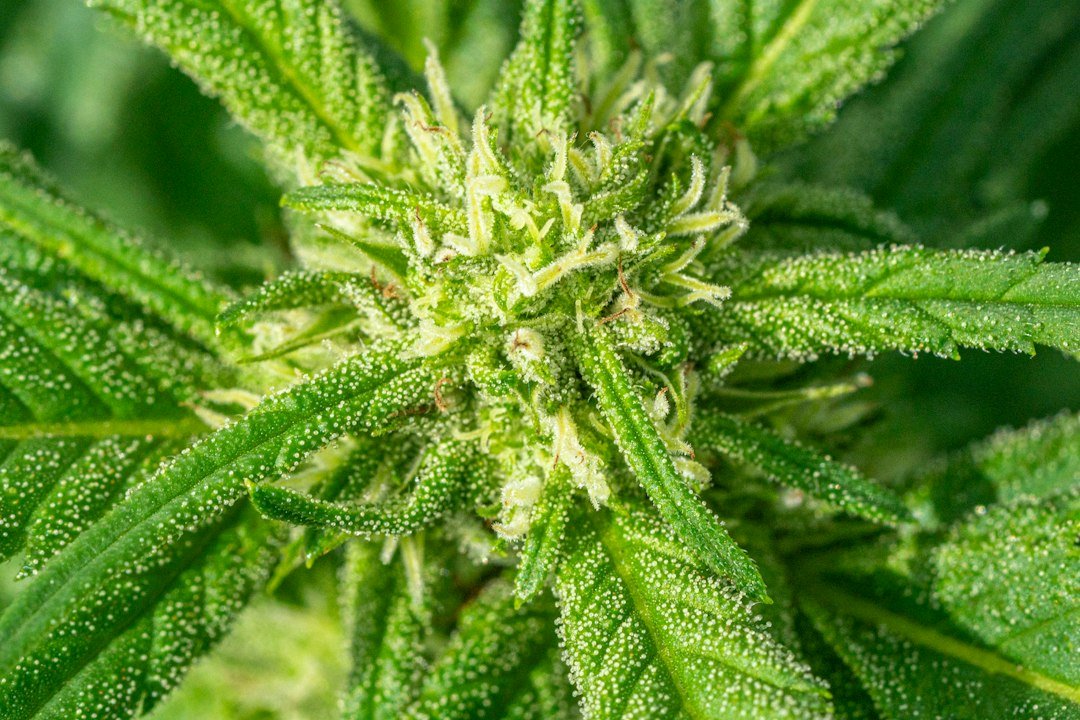
A Colorado cannabis company made headlines this week after voluntarily recalling dozens of contaminated products, a decision made more complicated by what ProPublica describes as significant state regulatory delays. The recall raises uncomfortable questions about how the industry handles contamination events—and whether cultivators are being left to navigate these crises largely on their own.
The Recall That Almost Wasn’t
According to ProPublica’s investigation, the company identified contamination issues internally but faced bureaucratic hurdles when attempting to coordinate with state regulators. The result was a delayed response that allowed potentially compromised products to remain on dispensary shelves longer than necessary. While the company ultimately did the right thing by issuing a voluntary recall, the incident exposes systemic weaknesses in how contamination events are managed at the regulatory level.
For cultivators, this story is a cautionary tale. Even operators acting in good faith can find themselves caught between contamination discoveries and sluggish regulatory machinery. The financial consequences are severe: recalled products mean lost revenue, damaged retailer relationships, and potential legal exposure. The reputational damage can linger far longer than the recall itself.
Why Total Yeast and Mold Failures Keep Happening
Cannabis flower is inherently susceptible to microbial contamination. Yeast and mold spores are ubiquitous in cultivation environments, and even well-managed facilities can experience Total Yeast and Mold (TY&M) failures during testing. Traditional approaches to this problem have significant drawbacks. Some cultivators resort to irradiation, which can degrade terpene profiles and raise consumer concerns. Others turn to chemical treatments that may leave residues or fail to meet state compliance standards.
The fundamental challenge is that contamination often isn’t discovered until post-harvest testing—at which point cultivators face an impossible choice between scrapping entire batches or attempting remediation methods that may compromise product quality.
Cold Plasma: A Different Approach to Remediation
Cold plasma technology offers a solution that sidesteps these compromises. The process uses ionized gas to eliminate mold, yeast, and bacteria at the cellular level without introducing chemicals, without irradiation, and without the heat that degrades cannabinoids and terpenes. The treatment penetrates flower material to address contamination throughout the product, not just on surfaces.
What makes cold plasma particularly relevant to situations like the Colorado recall is its ability to remediate flower that would otherwise fail TY&M testing—transforming a total loss into a compliant, sellable product. For cultivators operating on tight margins, the difference between passing and failing a single harvest can determine whether the quarter ends in profit or loss.
Prevention vs. Reaction
The Colorado recall underscores a broader industry reality: reactive approaches to contamination are expensive and unreliable. Waiting for test results and hoping for the best puts cultivators at the mercy of factors outside their control. Integrating remediation technology into post-harvest workflows offers a proactive alternative—addressing potential contamination before it becomes a compliance failure or, worse, a public recall.
As cannabis markets mature and regulatory scrutiny intensifies, cultivators who invest in contamination prevention will have a significant competitive advantage. Those who don’t may find themselves in the same position as the Colorado company: doing the right thing, but paying a heavy price for problems that could have been prevented.
For cultivators interested in exploring cold plasma remediation, Curaflo’s technology is designed specifically for cannabis flower compliance at curaflo.tech.
Leave a Reply