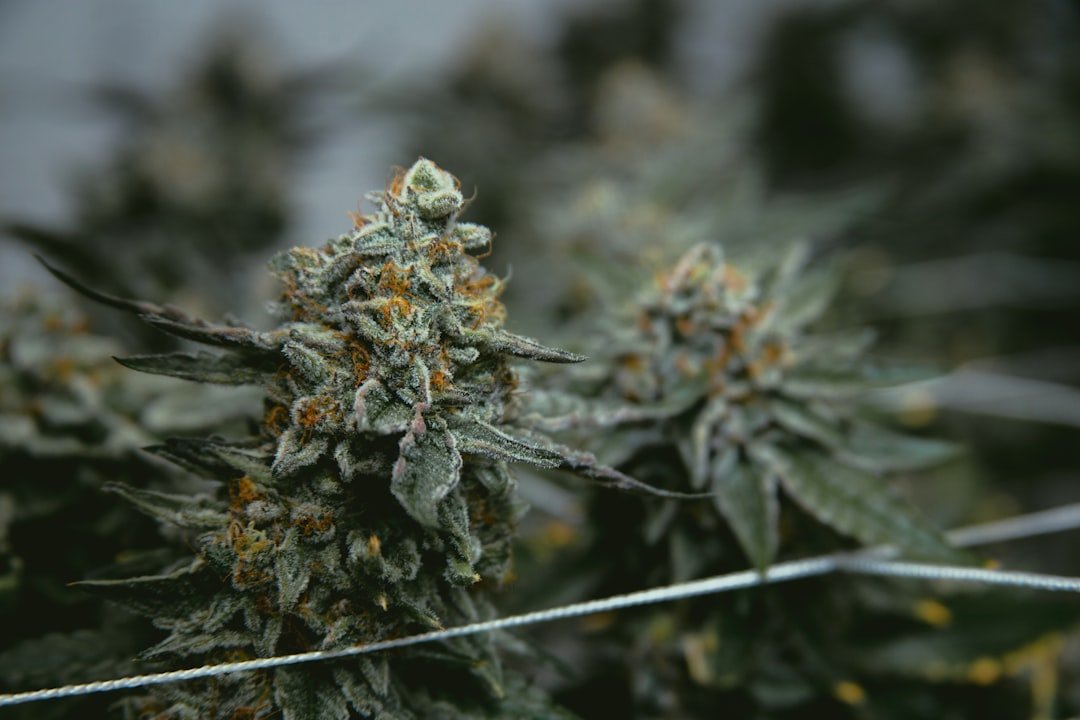
Maine’s cannabis industry is facing an uncomfortable reality: the state is issuing more product recalls than ever before. According to a recent report from the Portland Press Herald, regulators have ramped up enforcement actions throughout 2026, with contamination—particularly mold and yeast—driving a significant portion of these recalls.
A Growing Problem in the Pine Tree State
The surge in recalls reflects both tightened regulatory oversight and persistent challenges in cultivation environments. Maine’s humid climate has always presented hurdles for cannabis growers, but as the state’s testing protocols become more rigorous, products that might have previously slipped through are now being flagged and pulled from dispensary shelves.
For cultivators, each recall represents more than just a compliance headache. It means lost revenue, damaged brand reputation, and in many cases, the destruction of entire harvests that took months to produce. Small and mid-sized operators are particularly vulnerable, lacking the financial cushion to absorb repeated losses from failed Total Yeast and Mold (TY&M) tests.
The Economics of Contamination
The financial impact extends beyond the recalled product itself. Cultivators must account for testing fees, disposal costs, potential fines, and the operational disruption that follows any compliance failure. Some operators report that a single contamination event can cost tens of thousands of dollars—sometimes more than the value of the product itself.
Meanwhile, consumers are becoming increasingly aware of these issues. Dispensaries are fielding more questions about product safety, and brands associated with recalls often struggle to rebuild trust in a competitive market.
Rethinking Remediation Strategies
Traditional approaches to preventing contamination have centered on environmental controls during cultivation—HVAC systems, humidity management, and rigorous sanitation protocols. While these remain essential, they cannot eliminate all risk. Cannabis flower is an organic material, and microbial contamination can occur at multiple points from harvest through packaging.
This reality has driven growing interest in post-harvest remediation technologies that can address contamination without compromising product quality. The challenge has always been finding solutions that eliminate pathogens while preserving the cannabinoids and terpenes that define a product’s value.
Cold Plasma Technology Offers a Path Forward
Cold plasma remediation has emerged as a promising approach for cultivators facing TY&M compliance challenges. Unlike irradiation, which raises consumer concerns, or chemical treatments that can leave residues and degrade terpene profiles, cold plasma technology uses ionized gas to neutralize mold and bacteria at the cellular level.
The process works at ambient temperatures, which is critical for preserving the delicate terpene compounds that contribute to a strain’s aroma, flavor, and effects. Independent testing has shown that cold plasma remediation can bring contaminated flower into compliance while maintaining THC potency and terpene integrity.
For Maine cultivators navigating an increasingly strict regulatory environment, this type of technology represents a practical insurance policy against the humid conditions and microbial pressures that make their state particularly challenging for cannabis production.
Looking Ahead
As Maine continues to mature as a cannabis market, cultivators who invest in robust contamination prevention and remediation strategies will be best positioned to thrive. The cost of compliance failures is simply too high to rely on luck or outdated methods.
Operators interested in exploring cold plasma remediation can learn more about how the technology works at curaflo.tech.
Leave a Reply