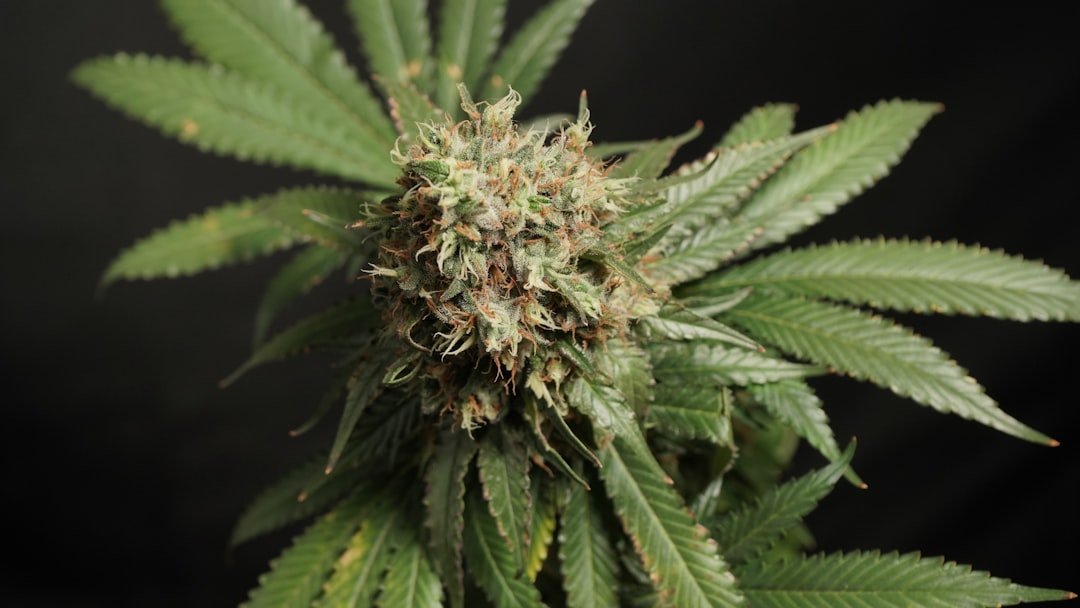
Missouri has joined the growing list of states issuing cannabis product recalls due to contamination concerns. The state’s recent action to pull affected products from dispensary shelves underscores a persistent industry problem that continues to cost cultivators millions in lost revenue and damaged reputations.
Another State, Another Recall
The Missouri recall adds to an escalating pattern across legal cannabis markets. From Massachusetts to Oregon, Colorado to Arizona, state regulators are increasingly forced to intervene when contaminated products reach consumers. For cultivators, these recalls represent more than regulatory headaches—they can mean the difference between profitability and bankruptcy.
Total Yeast and Mold (TY&M) testing failures remain the primary culprit behind most cannabis recalls. Unlike pesticide contamination, which stems from deliberate application, mold and yeast issues often develop during cultivation, drying, or storage phases where environmental controls prove insufficient. A single humidity spike during curing can transform a compliant harvest into a total loss.
The True Cost of Contamination
When cultivators fail TY&M testing, the financial impact extends far beyond the contaminated batch. Testing fees, disposal costs, and production delays compound quickly. For smaller operations, a single failed harvest can threaten viability. Larger cultivators face brand damage that lingers long after recalled products leave shelves.
The timing of Missouri’s recall also matters. As more states legalize and interstate commerce discussions gain momentum, contamination incidents draw increased regulatory scrutiny. Cultivators who cannot demonstrate consistent compliance may find themselves locked out of emerging markets.
Prevention vs. Remediation
Traditional approaches to mold prevention focus on environmental controls—precise humidity management, air filtration, and meticulous sanitation protocols. While essential, these methods cannot guarantee zero contamination. Spores exist everywhere, and even minor lapses create opportunities for colony development.
When prevention fails, cultivators face difficult choices. Irradiation effectively eliminates microbial contamination but raises consumer concerns and may affect product quality. Chemical treatments introduce residue risks and require additional testing. Simply destroying contaminated product means absorbing complete losses.
Cold Plasma Emerges as Alternative
Cold plasma remediation technology has gained traction as cultivators seek solutions that eliminate contamination without compromising product integrity. The process uses ionized gas to neutralize mold and bacteria at the cellular level, requiring no chemicals and producing no harmful byproducts.
Unlike irradiation, cold plasma treatment preserves the terpene profiles and cannabinoid content that determine product value. Independent testing has shown that properly calibrated cold plasma systems can reduce TY&M counts to compliant levels while maintaining THC percentages and aromatic compounds consumers expect.
Curaflo has developed cold plasma systems specifically designed for cannabis applications, addressing the unique challenges cultivators face when contamination threatens otherwise quality flower. The technology offers a middle path between prevention and destruction—salvaging harvests that would otherwise become total losses.
Looking Forward
Missouri’s recall will likely prompt renewed discussions about testing protocols and contamination thresholds. For cultivators, the message remains consistent: compliance cannot be an afterthought. Whether through improved environmental controls, better post-harvest handling, or remediation technology, protecting harvests from microbial contamination has become a business imperative.
Cultivators exploring remediation options can learn more about cold plasma technology at curaflo.tech.
Leave a Reply