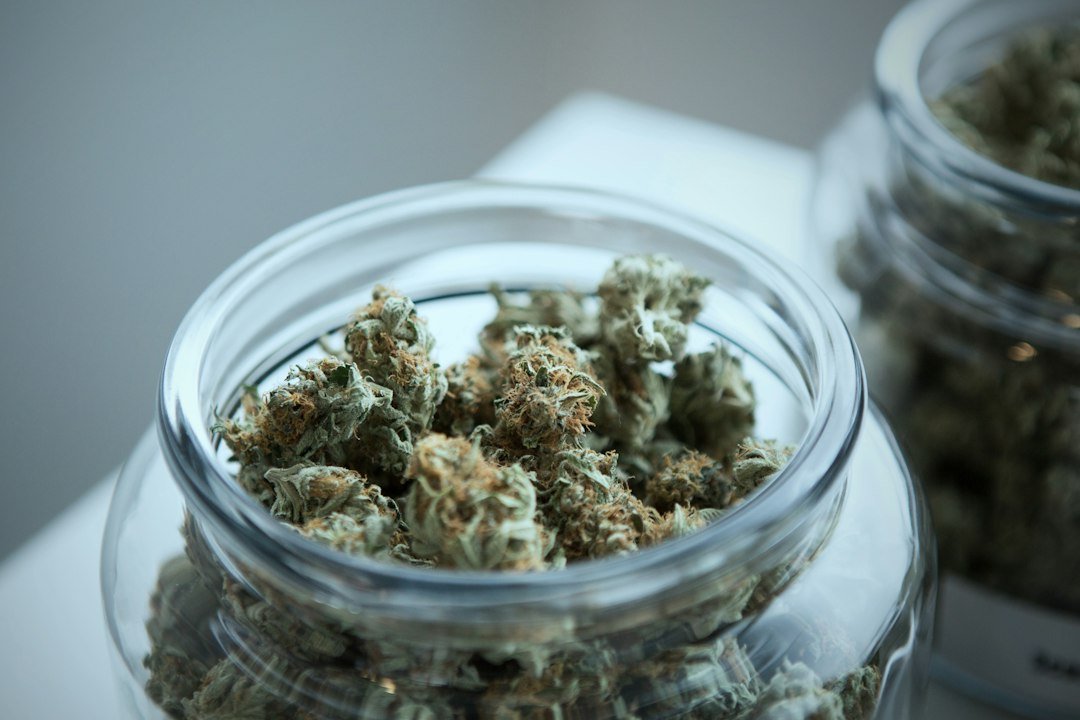
Missouri cannabis regulators issued a recall on September 18, 2026, after laboratory testing detected mold contamination in pre-rolled joints already distributed to dispensaries. The recall forces retailers to pull affected products from shelves and leaves the cultivator facing significant financial losses alongside reputational damage in a competitive market.
The Real Cost of a Mold Recall
For Missouri cultivators still navigating the state’s evolving regulatory framework, this recall serves as a stark reminder that Total Yeast and Mold (TY&M) compliance isn’t optional—it’s existential. When contaminated product reaches dispensary shelves before testing catches it, the fallout extends far beyond the immediate batch loss.
Cultivators face the direct cost of destroyed inventory, but the secondary impacts often hurt more: strained retailer relationships, potential regulatory scrutiny on future harvests, and consumer trust that takes months to rebuild. In a market where brand loyalty is still being established, a single contamination event can set an operation back years.
Why TY&M Failures Keep Happening
Mold spores are ubiquitous in cultivation environments. Even facilities with rigorous HVAC systems and environmental controls can experience contamination events triggered by humidity fluctuations, equipment failures, or simply the biological reality of growing organic material at scale. The problem intensifies during drying and curing phases when moisture content creates ideal conditions for microbial proliferation.
Many cultivators don’t discover contamination until final testing—after weeks of labor, nutrients, and energy have already been invested. At that point, options are limited and none are good. Destroying the harvest means total loss. Attempting remediation with traditional methods often creates new problems.
The Remediation Landscape
Historically, cultivators facing TY&M failures have turned to irradiation or chemical treatments to salvage contaminated flower. Both approaches carry significant drawbacks. Irradiation, while effective at killing microorganisms, has faced persistent consumer skepticism and regulatory complexity across state markets. Chemical treatments raise obvious concerns about residual compounds and can compromise product integrity.
Neither solution addresses what cultivators actually need: a remediation method that eliminates contamination while preserving the cannabinoid and terpene profiles that determine product value and consumer experience.
Cold Plasma Technology Offers a Different Approach
Cold plasma remediation has emerged as a compelling alternative for cultivators seeking to address TY&M contamination without the compromises of legacy methods. The technology uses ionized gas to neutralize mold and bacteria at the cellular level, requiring no chemicals and no irradiation.
What makes cold plasma particularly relevant for cannabis applications is its preservation characteristics. Independent testing has demonstrated that properly implemented cold plasma systems can eliminate TY&M contamination while maintaining THC potency and terpene integrity—the compounds that ultimately determine whether remediated flower is actually sellable at full value.
Curaflo has developed a cold plasma system specifically engineered for cannabis remediation, allowing cultivators to convert compliance failures into compliant, market-ready product. For operations watching Missouri’s latest recall and wondering whether they’re one humidity spike away from the same fate, the technology represents a meaningful risk mitigation strategy.
Details on implementation and testing protocols are available at curaflo.tech.
Leave a Reply