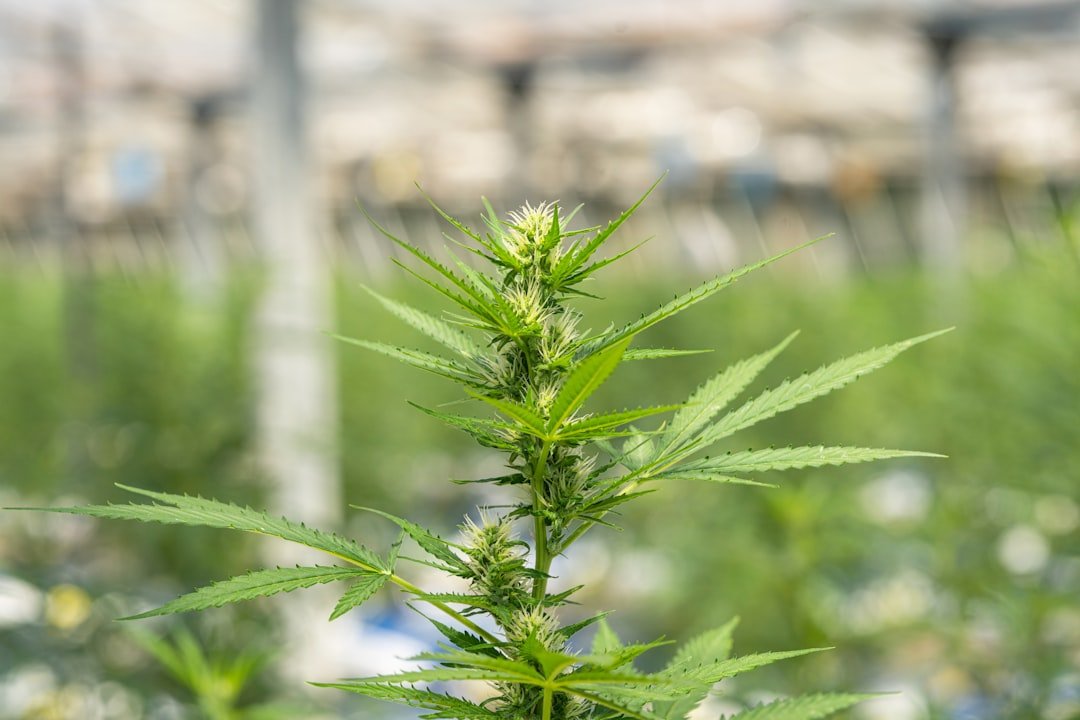
A Phoenix dispensary has issued a recall for its branded Cheech & Chong prerolls after fungus contamination was detected, according to a report from Phoenix New Times. The recall highlights an uncomfortable truth for the cannabis industry: despite years of regulatory development and increased testing requirements, mold and fungus failures continue to reach consumers.
The Persistent Problem of Fungal Contamination
Cannabis flower is inherently susceptible to mold and yeast growth. The dense trichome-covered structure that makes flower valuable also creates ideal microenvironments for fungal colonization. Humidity fluctuations during cultivation, improper drying and curing, or inadequate storage conditions can all contribute to Total Yeast and Mold (TY&M) counts that exceed state limits.
When contaminated product makes it to retail shelves before testing catches the issue—or worse, after passing initial testing—the consequences ripple through the entire supply chain. Dispensaries face reputational damage, cultivators absorb the financial loss of recalled inventory, and consumer trust erodes.
Why Traditional Prevention Falls Short
Most cultivators focus on environmental controls as their primary defense against contamination. HVAC systems, dehumidifiers, and strict handling protocols all play important roles. But these measures address conditions during active cultivation—they cannot remediate flower that has already developed elevated microbial counts.
Post-harvest contamination presents a different challenge entirely. Flower can test clean immediately after harvest, then develop problematic TY&M levels during drying, curing, or storage. By the time the final batch is tested, thousands of dollars in product may have crossed the threshold into non-compliance.
Cold Plasma Technology: A Chemical-Free Solution
Cold plasma remediation has emerged as a viable answer to the microbial contamination problem. Unlike irradiation, which raises concerns about terpene degradation and consumer perception, cold plasma uses ionized gas to neutralize mold spores and bacteria without damaging the delicate compounds that define cannabis quality.
The technology works by generating reactive oxygen and nitrogen species that destroy microbial cell walls on contact. Because the plasma operates at ambient temperatures, it avoids the heat damage associated with other remediation methods. THC and terpene profiles remain intact—a critical factor for cultivators who have invested in specific genetics and phenotypes.
Systems like Curaflo’s cold plasma technology offer cultivators a pathway to salvage harvests that would otherwise fail compliance testing. Rather than destroying contaminated batches or attempting to repurpose flower into lower-margin extracts, operators can treat the product and maintain its intended market position.
The Business Case for Proactive Remediation
For cultivators operating on tight margins, a single failed batch can represent a significant percentage of quarterly revenue. The Phoenix recall serves as a reminder that even established brands with celebrity partnerships are not immune to contamination issues.
Integrating cold plasma remediation into post-harvest workflows provides insurance against these losses. It also offers peace of mind when working with flower that has been stored longer than anticipated or exposed to suboptimal conditions during transport.
As state regulators continue to refine testing protocols and consumer expectations around product safety increase, cultivators who can consistently deliver compliant, high-quality flower will hold a competitive advantage. Those interested in exploring cold plasma remediation can learn more at curaflo.tech.
Leave a Reply