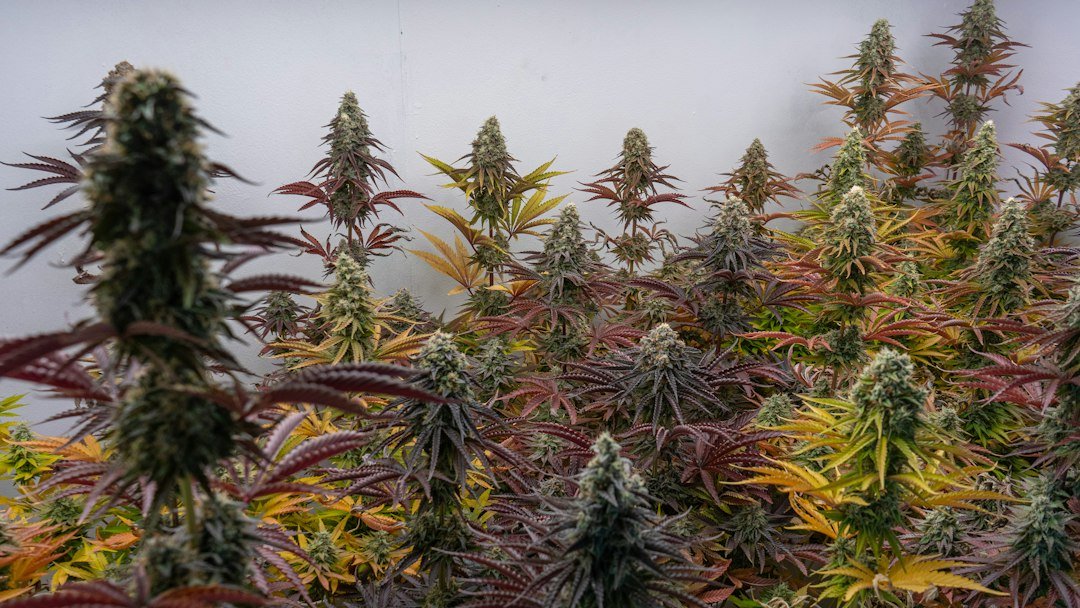
Maine’s cannabis industry is facing an uncomfortable reality: the state is issuing more product recalls than ever before. According to recent reporting from the Portland Press Herald, contamination-related recalls have reached unprecedented levels, forcing cultivators and regulators alike to confront systemic quality control challenges.
A Growing Compliance Crisis
For cannabis cultivators in Maine and across the country, the surge in recalls represents more than regulatory headaches—it’s a direct threat to business viability. Every recalled batch means lost revenue, damaged retail relationships, and potential harm to brand reputation built over years of careful cultivation.
The increase in recalls also signals that state testing protocols are becoming more rigorous. As regulators refine their detection methods and expand the scope of contaminants they screen for, products that might have passed inspection in previous years are now failing. This isn’t necessarily a sign that cannabis quality is declining—it may simply mean that contamination that always existed is now being caught.
The Mold and Microbial Challenge
Total Yeast and Mold (TY&M) contamination remains one of the most common reasons cannabis products fail state testing. Unlike some contaminants introduced during processing, mold and yeast can develop at any point in the cultivation cycle—from grow room to cure to final packaging. Humidity fluctuations, inadequate airflow, and compromised drying environments all create opportunities for microbial growth.
The challenge for cultivators is that by the time contamination is detected at the testing lab, the damage is already done. Traditional remediation options have significant drawbacks: gamma irradiation raises consumer concerns, chemical treatments can leave residues, and heat-based methods risk degrading the terpene profiles that differentiate premium flower from commodity product.
Cold Plasma: A Different Approach to Remediation
Cold plasma technology has emerged as an alternative that addresses these limitations. The process uses ionized gas to neutralize mold spores and bacteria on cannabis flower without introducing chemicals, radiation, or excessive heat. Because the treatment operates at low temperatures, it preserves the volatile terpene compounds that define each cultivar’s unique aromatic and therapeutic profile.
The technology works by generating reactive oxygen and nitrogen species that disrupt microbial cell membranes. This mechanism is effective against the yeast and mold strains that cause TY&M failures while leaving cannabinoid content—including THC levels—intact. For cultivators facing the choice between scrapping a failed harvest and compromising product quality through harsh remediation, cold plasma offers a middle path.
Preparing for Increased Scrutiny
Maine’s experience suggests that other states may follow suit with stricter enforcement and more frequent recalls. Cultivators who invest in contamination prevention and effective remediation capabilities now will be better positioned as the regulatory landscape continues to evolve.
The economics are straightforward: a single batch failure can cost tens of thousands of dollars in lost product, retesting fees, and operational disruption. Technologies that can salvage contaminated harvests without compromising quality represent a form of insurance against these losses.
For cultivators exploring cold plasma remediation systems, companies like Curaflo offer solutions specifically designed for cannabis flower applications at curaflo.tech.
Leave a Reply