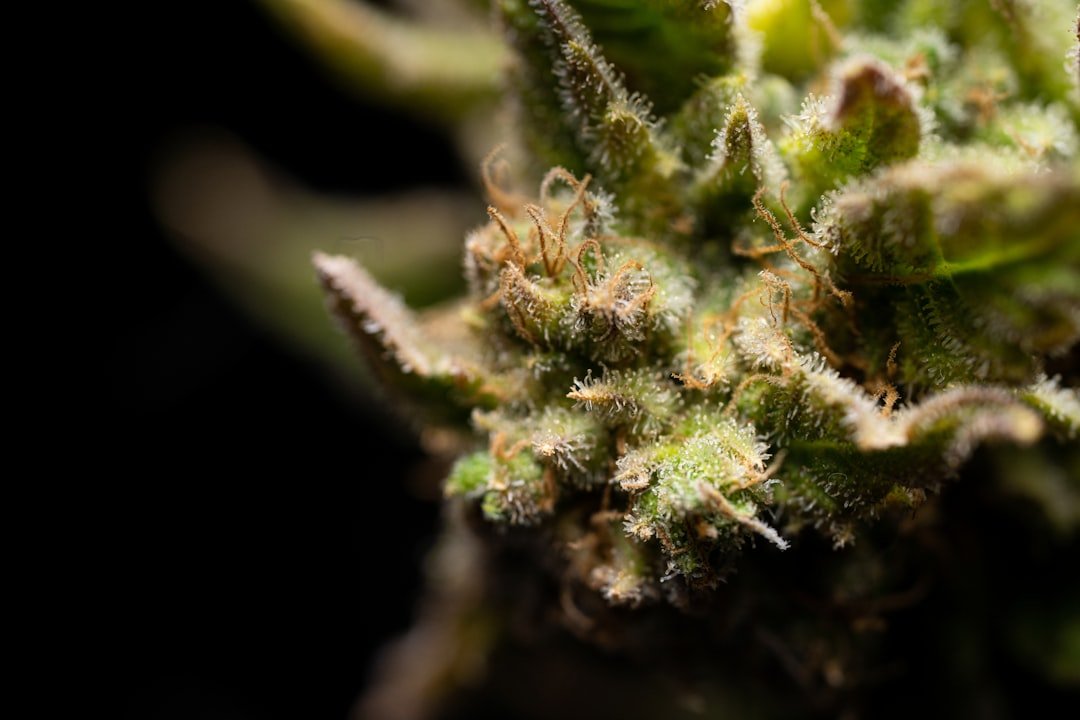
A sweeping cannabis recall in Colorado has reignited debate about the adequacy of state safety regulations and testing protocols. The incident, which affected products across multiple dispensaries, has left cultivators and consumers alike questioning whether current oversight is sufficient to catch contamination before products reach shelves.
The Scale of the Problem
The Colorado recall represents one of the largest product withdrawals in the state’s regulated cannabis history. According to Colorado Public Radio’s reporting, the scope of affected products has prompted regulators and industry stakeholders to examine whether existing testing frameworks can adequately protect public health.
For cultivators, recalls of this magnitude carry devastating financial consequences. Beyond the immediate loss of recalled inventory, facilities face reputational damage, potential regulatory penalties, and the operational disruption of investigating contamination sources. In a market already operating on thin margins, a single contamination event can threaten business viability.
Where Testing Falls Short
Current cannabis testing protocols in most states rely on batch sampling—a method that assumes uniform contamination distribution across a harvest. In reality, mold and microbial contamination often appear in localized clusters, meaning a clean sample does not guarantee a clean batch.
This statistical reality creates a persistent vulnerability. Cultivators can follow best practices throughout the grow cycle and still face compliance failures at the testing lab. Total Yeast and Mold (TY&M) counts can spike unpredictably based on environmental factors during harvest, drying, and curing—stages where even minor humidity fluctuations create conditions favorable to microbial growth.
The Colorado situation underscores a fundamental challenge: testing catches problems after they have already occurred, leaving cultivators with contaminated product and few remediation options that preserve both compliance and quality.
Remediation Without Compromise
Traditional approaches to addressing contaminated cannabis involve difficult tradeoffs. Gamma irradiation, while effective at killing pathogens, raises concerns among consumers and can degrade the terpene profiles that define premium flower. Chemical treatments introduce residue risks and face regulatory restrictions in many markets.
Cold plasma technology has emerged as an alternative that addresses contamination without these compromises. The process uses ionized gas to neutralize mold spores and bacteria at the cellular level, achieving pathogen reduction without heat, chemicals, or radiation exposure.
What distinguishes cold plasma from other remediation methods is its preservation of the plant’s chemical integrity. Independent testing has demonstrated that THC potency and terpene concentrations remain stable through the process—a critical factor for cultivators whose product value depends on these characteristics.
Operational Integration
For cultivation facilities evaluating remediation technology, practical considerations matter as much as efficacy. Cold plasma systems can be integrated into existing post-harvest workflows without requiring facility modifications or specialized operator training. Processing times allow for same-day treatment of harvests flagged for elevated microbial counts.
This operational flexibility means cultivators can implement remediation as either a preventive step before testing or a corrective measure for batches that fail initial compliance screening. Either approach reduces the likelihood of joining Colorado’s growing list of recalled products.
As regulators across states reconsider testing standards in light of incidents like Colorado’s mass recall, cultivators who invest in contamination prevention will be better positioned to meet whatever requirements emerge. Companies like Curaflo are making cold plasma remediation accessible to operations of all sizes—details on implementation are available at curaflo.tech.
Leave a Reply