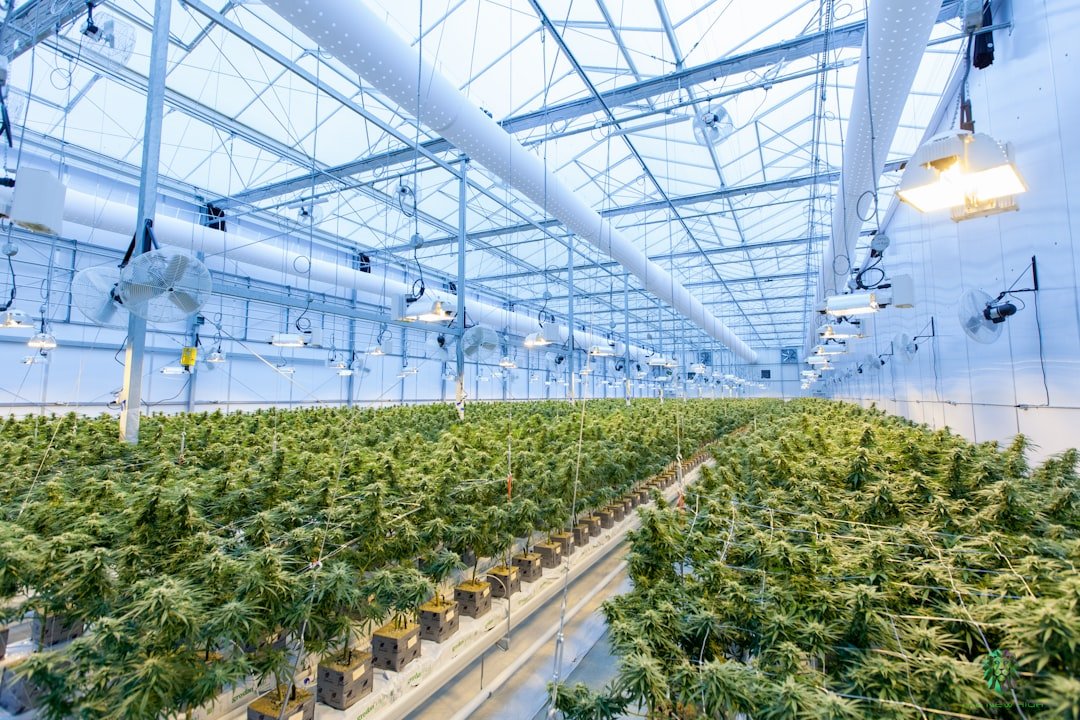
Maine’s cannabis regulators are issuing more product recalls than at any point in the state’s legal market history, according to a recent report from the Portland Press Herald. The surge in recalls—primarily driven by microbial contamination including mold and yeast—signals a growing compliance crisis that’s putting cultivators’ bottom lines at serious risk.
A Perfect Storm of Compliance Pressure
The increase in Maine recalls reflects a broader pattern emerging across mature cannabis markets. As state testing protocols become more sophisticated and enforcement agencies allocate additional resources to quality control, contamination that might have slipped through in earlier years is now being caught at higher rates.
For cultivators, this represents a double-edged sword. Stricter testing protects consumers and legitimizes the industry, but it also means batches that would have passed testing three years ago may now trigger a Total Yeast and Mold (TY&M) failure. The financial impact can be devastating—a single failed harvest can represent hundreds of thousands of dollars in lost revenue, not counting the reputational damage and potential regulatory scrutiny that follows.
Why Contamination Persists Despite Best Practices
Even the most diligent cultivation operations face contamination challenges. Mold spores are ubiquitous in agricultural environments, and cannabis flower’s dense trichome structure creates ideal conditions for microbial growth. Humidity fluctuations during drying and curing, minor HVAC inconsistencies, or a single contaminated plant can compromise an entire batch.
The reality is that contamination isn’t always a reflection of poor cultivation practices—it’s often an inherent risk of working with an agricultural product in variable environmental conditions. Maine’s humid coastal climate presents particular challenges, but cultivators in every state face similar pressures.
Traditional Remediation Falls Short
When faced with a contaminated batch, cultivators historically had limited options. Gamma irradiation effectively kills mold but raises concerns among consumers wary of irradiated products. Chemical treatments can leave residues that create their own compliance issues. Many cultivators have simply accepted contamination losses as a cost of doing business.
The problem with most remediation approaches is the trade-off they require. Methods aggressive enough to eliminate mold often degrade the terpene profiles and cannabinoid content that determine a product’s market value. A remediated batch that passes testing but lacks the flavor and potency of premium flower still represents a significant financial loss.
Cold Plasma Technology Changes the Equation
Cold plasma remediation has emerged as a compelling alternative for cultivators facing TY&M failures. The technology uses ionized gas to eliminate mold, bacteria, and other contaminants at the cellular level—without chemicals, without irradiation, and critically, without degrading THC or terpene content.
The process works by generating reactive oxygen species that destroy microbial cell walls while leaving plant material intact. Because it operates at low temperatures and involves no chemical residues, flower emerges from treatment with its original characteristics preserved. Independent lab testing has confirmed that cold plasma-treated cannabis maintains its full cannabinoid and terpene profiles.
For operations in states like Maine where compliance pressure is intensifying, cold plasma offers a path to recover batches that would otherwise represent total losses. Rather than accepting contamination as inevitable, cultivators can build remediation into their quality control protocols.
Looking Ahead
Maine’s recall surge is unlikely to reverse course. If anything, testing standards will continue tightening as the industry matures and consumer protection becomes a higher priority for regulators. Cultivators who invest in contamination prevention and remediation infrastructure now will be better positioned to navigate this evolving landscape.
For operations exploring cold plasma remediation, Curaflo’s system at curaflo.tech represents one option worth evaluating as part of a comprehensive compliance strategy.
Leave a Reply