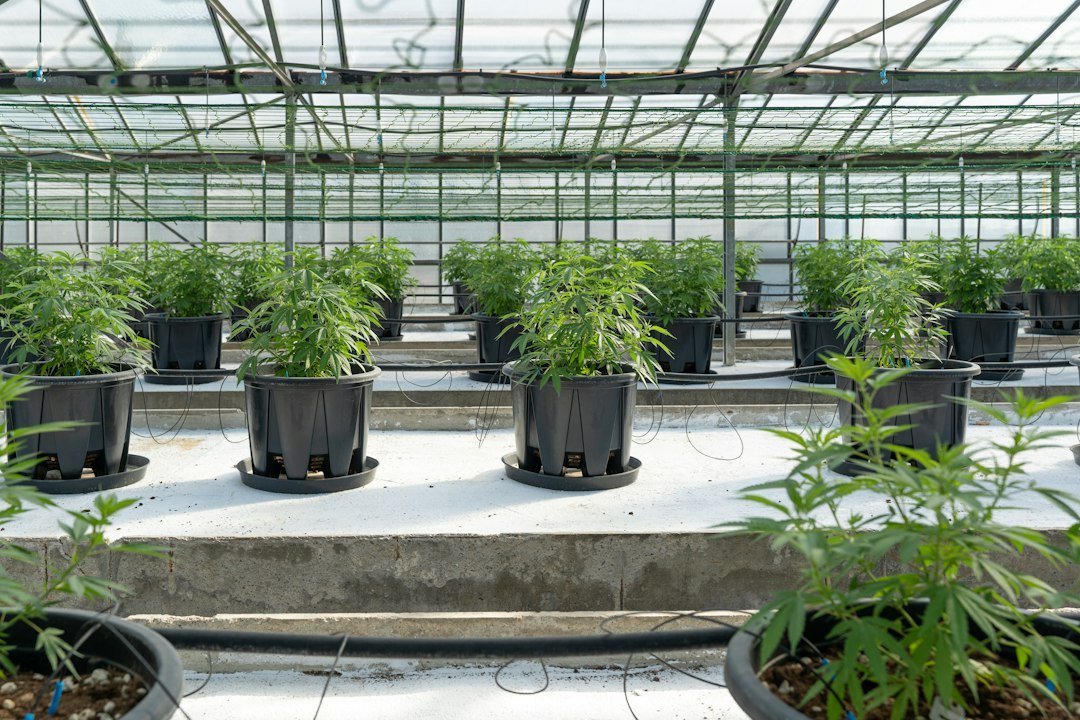
A Colorado marijuana company has issued a recall of contaminated products this week, but the story’s real concern lies in what the Denver Gazette describes as “regulatory delays” that allowed affected products to remain on dispensary shelves longer than they should have.
When Recalls Move Slower Than Sales
The recall, announced Thursday, follows a pattern that has become increasingly common across legal cannabis markets. Products fail testing, recalls are initiated, but the lag time between identification and removal creates a window where consumers may purchase and consume contaminated flower or concentrates.
For cultivators, this scenario represents a worst-case outcome. Not only has the product already left the facility—generating revenue that will need to be refunded or credited—but the public nature of recalls damages brand reputation in ways that linger far beyond the immediate financial hit.
Colorado’s cannabis market, one of the most mature in the country, still grapples with the fundamental challenge of contamination detection timing. Products are typically tested in batches, and by the time results come back showing elevated Total Yeast and Mold counts or other failures, significant portions of that batch may already be packaged, distributed, and sold.
The Hidden Cost of Compliance Failures
Industry estimates suggest that TY&M failures account for millions of dollars in lost product annually across the legal cannabis market. But the recall cost calculation goes beyond the wholesale value of destroyed inventory. Cultivators face testing fees, labor costs for quarantine procedures, potential regulatory fines, and the opportunity cost of production capacity tied up in unsellable product.
More insidious is the reputational damage. In a competitive market where brand trust drives consumer choice, a single recall can shift customer loyalty to competitors who haven’t made headlines for contamination issues.
Prevention Versus Reaction
The regulatory framework for cannabis safety remains focused primarily on detection—testing finished products and removing failures from the supply chain. This reactive approach, while necessary, places cultivators in a position of hoping their harvest passes rather than ensuring it will.
Cold plasma remediation technology offers an alternative approach that addresses contamination before products ever reach the testing lab. The process uses ionized gas to eliminate mold spores and bacteria at the cellular level, achieving pathogen reduction without the chemical residues left by traditional treatments or the terpene degradation associated with irradiation methods.
Unlike gamma irradiation, which can alter cannabinoid profiles and leave flower with a distinctly “treated” character, cold plasma works at low temperatures and preserves the plant’s original terpene expression. For cultivators producing premium flower where flavor and aroma command price premiums, this distinction matters significantly.
Integrating Remediation Into Production
Forward-thinking cultivation operations are beginning to incorporate cold plasma treatment as a standard step in post-harvest processing, regardless of whether visible contamination is present. The logic is straightforward: preventing a compliance failure costs far less than managing a recall.
This proactive stance also provides a measure of insurance against the environmental variables that cultivators cannot fully control. Even well-managed facilities experience humidity fluctuations, and even healthy-looking flower can harbor spore counts that push test results over regulatory limits.
Companies like Curaflo have developed cold plasma systems specifically for cannabis applications, addressing the scale and throughput requirements of commercial cultivation while maintaining the gentle treatment parameters that preserve product quality. For operations looking to reduce compliance risk without compromising their flower’s characteristics, exploring these technologies may prove worthwhile—more information is available at curaflo.tech.
Leave a Reply