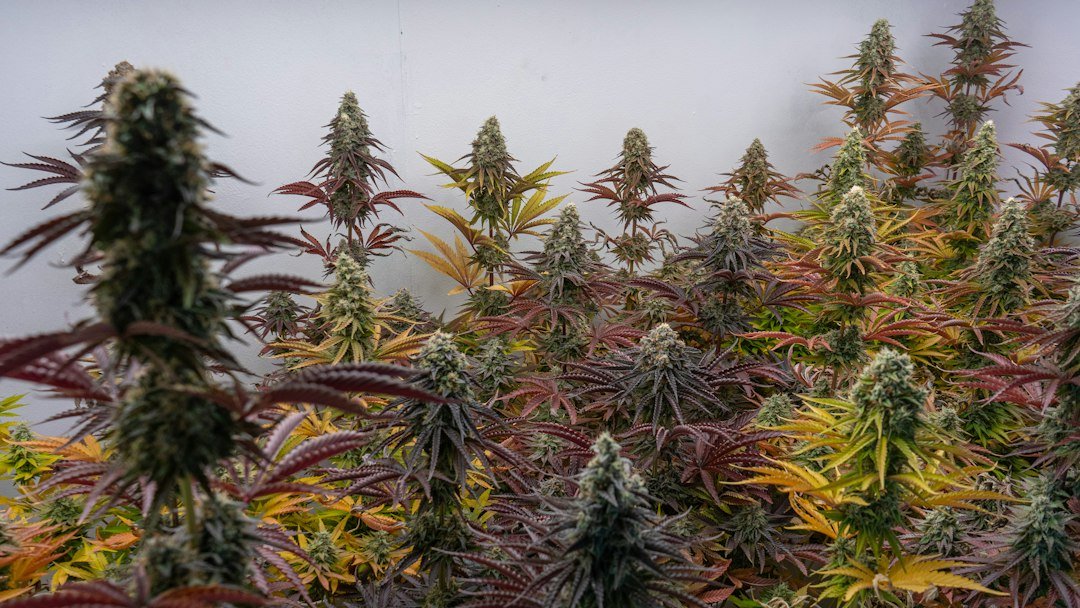
Maine’s cannabis regulators are issuing more product recalls than at any point in the state’s legal market history, according to recent reporting from the Portland Press Herald. The surge in recalls—driven primarily by Total Yeast and Mold (TY&M) contamination—signals a growing crisis for cultivators operating in an increasingly strict compliance environment.
Stricter Testing, More Failures
The uptick isn’t necessarily because cannabis quality has declined. Rather, Maine has progressively tightened its testing protocols and lowered acceptable contamination thresholds to align with consumer safety standards in other mature markets. Products that might have passed inspection two years ago are now failing at the testing lab.
For cultivators, this shift creates an uncomfortable reality: even well-run facilities with solid cultivation practices can see batches fail due to environmental factors largely outside their control. Mold spores are ubiquitous in agricultural settings, and the humid New England climate only compounds the challenge during certain growing seasons.
The True Cost of a Recall
When a batch fails TY&M testing, cultivators face more than just the loss of product revenue. There are disposal costs, potential regulatory penalties, and the operational disruption of pulling inventory from dispensary partners. Perhaps most damaging is the reputational hit—dispensaries remember which suppliers cause them compliance headaches, and those relationships can be difficult to repair.
The Press Herald report highlights cases where cultivators lost tens of thousands of dollars in a single recall event. For small and mid-sized operators working on thin margins, one significant contamination failure can threaten the viability of the entire business.
Prevention Has Its Limits
Experienced cultivators already implement robust preventive measures: HVAC optimization, humidity control, rigorous sanitation protocols, and careful handling during harvest and cure. These practices reduce contamination risk but cannot eliminate it entirely. Mold contamination can occur at any point in the supply chain, and even trace amounts can trigger a testing failure under Maine’s current standards.
This is where post-harvest remediation enters the conversation. Rather than relying solely on prevention—and accepting inevitable losses when prevention falls short—forward-thinking cultivators are adding remediation technology as a final quality assurance step before testing.
Cold Plasma: A Chemical-Free Solution
Cold plasma remediation has emerged as a particularly promising approach for cannabis operators concerned about preserving product integrity. Unlike irradiation or chemical treatments, cold plasma technology uses ionized gas to neutralize mold, yeast, and bacteria at the cellular level without introducing foreign substances or degrading the plant’s chemical profile.
The process preserves THC potency and—critically for today’s terpene-conscious consumers—maintains the full aromatic and flavor profile of the flower. For cultivators, this means the ability to remediate at-risk batches without sacrificing the qualities that command premium pricing.
Systems like those developed by Curaflo integrate into existing post-harvest workflows, providing a safety net that can mean the difference between a profitable harvest and a total loss. As states like Maine continue raising the compliance bar, this kind of technology is shifting from optional advantage to operational necessity.
Cultivators interested in protecting their harvests from the growing recall trend can learn more at curaflo.tech.
Leave a Reply