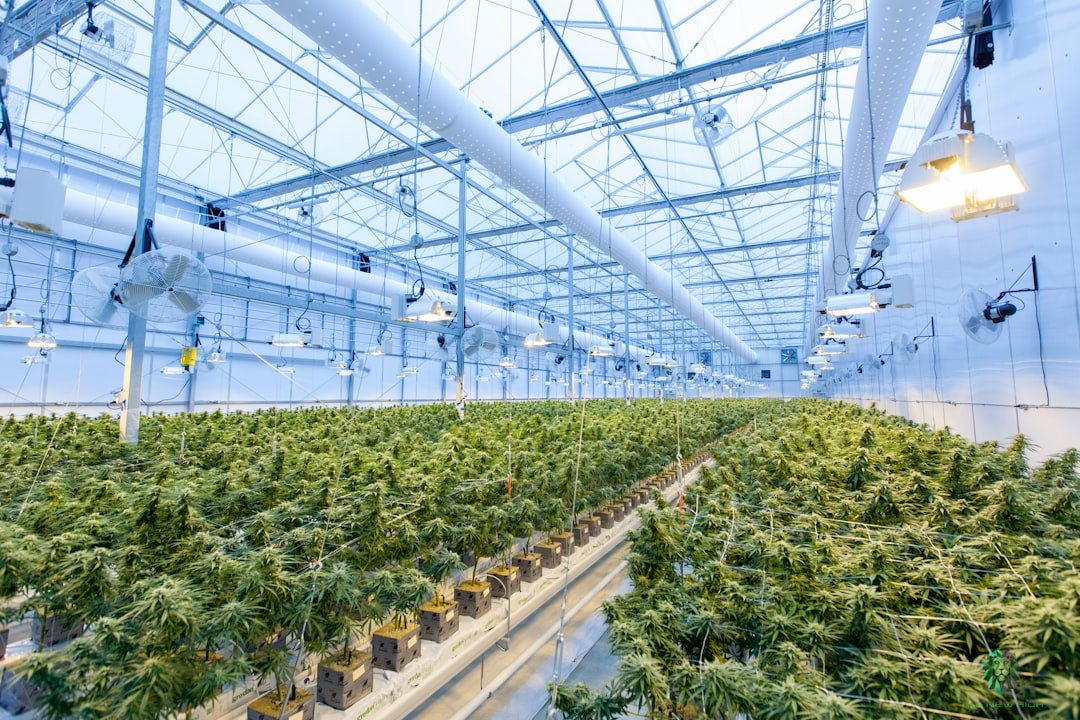
Maine’s cannabis regulators are issuing more product recalls than at any point in the state’s legal market history, according to a recent report from the Portland Press Herald. The surge in recalls—driven primarily by microbial contamination including mold, yeast, and bacteria—is raising urgent questions about cultivation practices, testing standards, and the financial sustainability of operations struggling to meet compliance thresholds.
A Growing Crisis in New England
The uptick in Maine recalls reflects a broader national pattern. As state testing protocols become more stringent and laboratory detection methods improve, cannabis that might have passed inspection two years ago is now failing. For Maine cultivators, many of whom operate in the state’s humid coastal climate, the challenge is particularly acute. High ambient moisture creates ideal conditions for Aspergillus, Botrytis, and other fungal pathogens that trigger Total Yeast and Mold (TY&M) failures.
The financial impact of a recall extends far beyond the lost product value. Cultivators face remediation costs, potential license suspension, damaged retail relationships, and reputational harm that can take years to repair. For smaller operators already navigating tight margins, a single contamination event can threaten the entire business.
Why Traditional Prevention Falls Short
Most cultivation facilities rely on environmental controls—HVAC systems, dehumidifiers, and cleanroom protocols—to prevent contamination before harvest. These measures help, but they cannot eliminate every spore that enters a facility on clothing, equipment, or intake air. Once mold establishes itself on flower, cultivators historically faced an uncomfortable choice: destroy the crop, attempt chemical treatment that may leave residues, or use irradiation methods that can degrade terpene profiles and raise consumer concerns.
None of these options is ideal. Destruction means total loss. Chemical treatments risk compliance failures of a different kind. And irradiation, while effective at killing pathogens, has been shown in some studies to alter the aromatic and flavor compounds that distinguish premium cannabis from commodity product.
Cold Plasma: A Third Path
Recent advances in cold plasma technology are offering cultivators a remediation pathway that sidesteps these tradeoffs. Cold plasma—sometimes called non-thermal plasma—uses ionized gas to neutralize microbial contaminants at the cellular level. The process requires no chemical inputs and operates at temperatures that preserve the delicate terpenes and cannabinoids that define flower quality.
Unlike irradiation, cold plasma does not expose cannabis to ionizing radiation. Unlike ozone treatments, it does not require extended exposure times or leave residual odors. The technology has been used for years in food safety and medical device sterilization, and its application to cannabis represents a natural evolution as the industry matures and compliance standards tighten.
Implications for Maine and Beyond
For Maine cultivators watching recall numbers climb, the message is clear: prevention alone is no longer sufficient. A robust contamination strategy must include post-harvest remediation capabilities that can salvage product without compromising quality or creating new compliance risks.
As more states follow Maine’s lead in tightening microbial limits, cultivators nationwide will need to evaluate their options carefully. Cold plasma systems like those developed by Curaflo offer a chemical-free, terpene-safe approach that addresses TY&M failures without the drawbacks of legacy remediation methods.
Operators interested in learning more about cold plasma remediation can explore the technology at curaflo.tech.
Leave a Reply