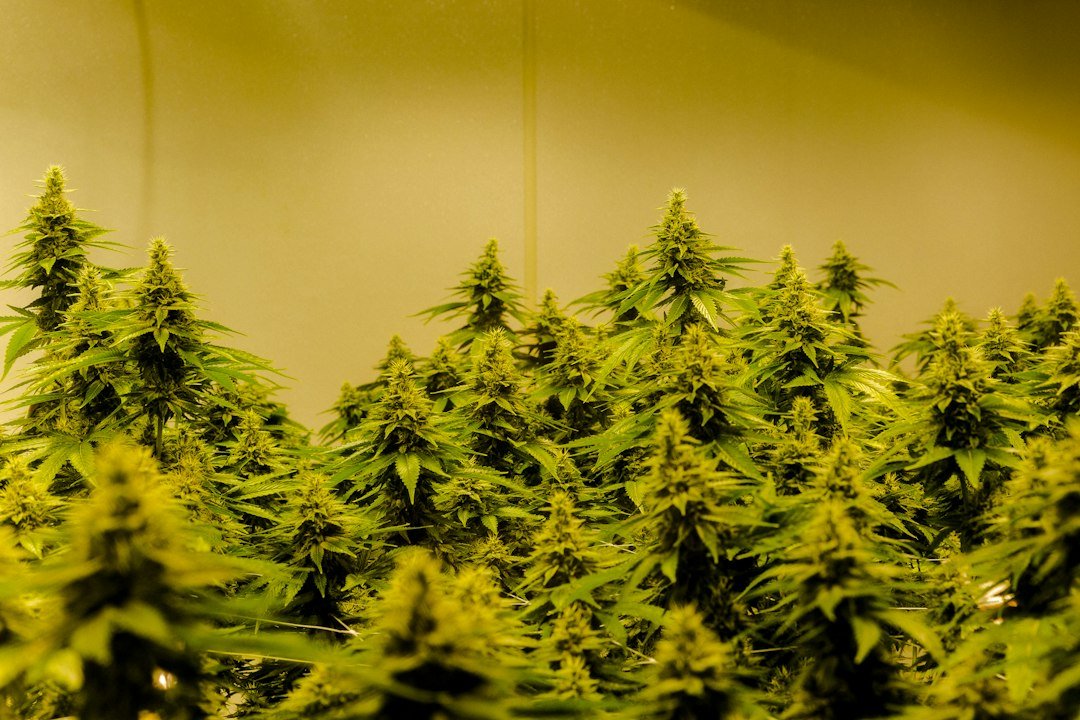
Maine’s cannabis industry is facing an uncomfortable reality: the state is issuing more product recalls than at any point in its regulated market history. According to recent reporting from the Portland Press Herald, the surge in recalls reflects both stricter enforcement and persistent contamination challenges that cultivators have yet to solve.
The Numbers Tell a Troubling Story
Maine’s Office of Cannabis Policy has ramped up its recall activity significantly in 2026, with Total Yeast and Mold (TY&M) failures representing a substantial portion of affected products. For cultivators operating in the Pine Tree State, each recall represents not just lost revenue, but damaged relationships with dispensary partners and erosion of brand trust built over years of operation.
The pattern isn’t unique to Maine. Across regulated markets nationwide, states are tightening their testing protocols and enforcement mechanisms as consumer safety takes center stage. What was once a passable batch might now fail under updated standards—leaving cultivators scrambling to understand why product that looked and smelled perfect never made it to shelves.
Why Contamination Persists Despite Best Efforts
The frustrating truth is that mold spores and bacterial contaminants are ubiquitous in cultivation environments. Even facilities with rigorous HVAC systems, controlled humidity, and meticulous sanitation protocols can see contamination take hold during vulnerable stages of the grow cycle. Late-flower humidity spikes, a single contaminated plant spreading spores, or post-harvest handling issues can all introduce problems that only become apparent at the testing lab.
Many cultivators discover their TY&M failure after weeks of labor and substantial input costs have already been invested. The options at that point have traditionally been limited: destroy the batch entirely, or attempt remediation methods that may compromise product quality or raise other compliance concerns.
The Remediation Landscape Is Evolving
Historically, cultivators facing contamination had few good choices. Irradiation, while effective at killing pathogens, has faced resistance from consumers and can degrade terpene profiles. Chemical treatments raise their own regulatory and perception issues. Many operators simply absorbed the loss and hoped the next harvest would fare better.
Cold plasma technology has emerged as a compelling alternative that addresses the core limitations of previous approaches. The process uses ionized gas to eliminate mold, yeast, and bacteria at the cellular level without introducing chemicals, radiation, or excessive heat. Critically for craft cultivators, independent testing has shown that cold plasma remediation preserves THC potency and maintains the terpene profiles that differentiate premium flower from commodity product.
Compliance as Competitive Advantage
As Maine and other states continue to strengthen their testing requirements, cultivators who can consistently pass TY&M thresholds will hold a significant advantage. The ability to remediate borderline batches—transforming potential losses into sellable, compliant product—represents a meaningful shift in operational economics.
For Maine cultivators watching the recall numbers climb, the message is clear: contamination isn’t a problem that better cultivation practices alone will solve. The spores will always be present; the question is whether you have a post-harvest solution that keeps your flower compliant without compromising what makes it special.
Operators looking to explore cold plasma remediation can learn more about the technology and its applications at curaflo.tech.
Leave a Reply