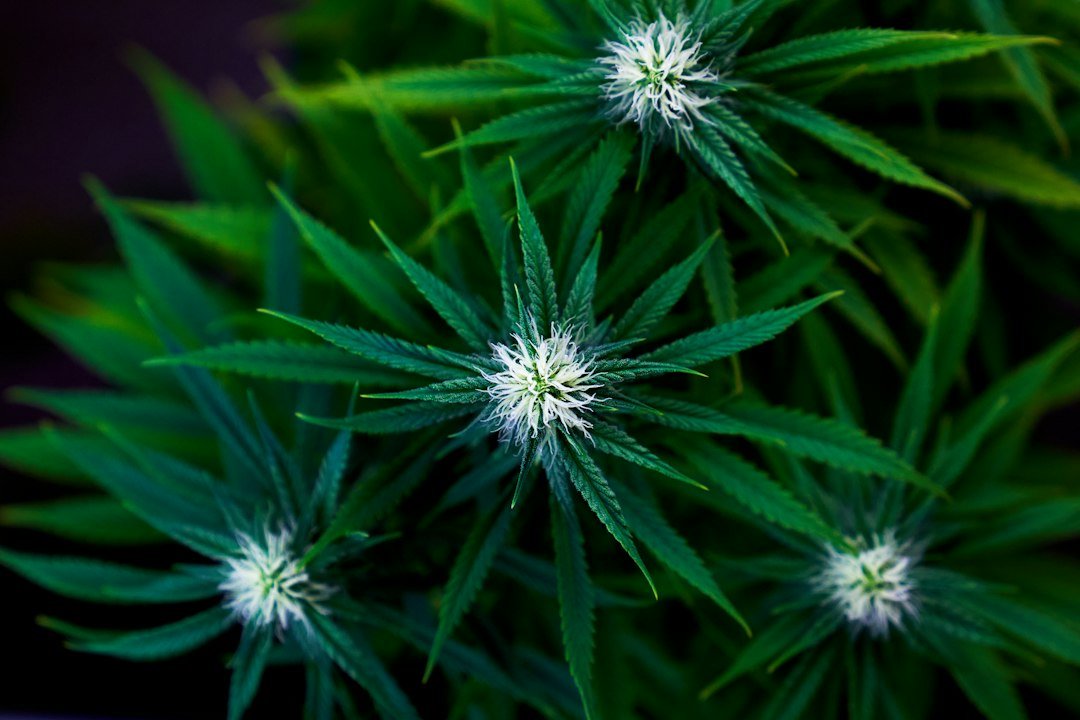
Missouri regulators recently issued a recall of cannabis flower from Sinse after testing revealed Aspergillus contamination, adding to a growing list of fungal-related compliance failures across state markets. The recall underscores a persistent challenge facing cultivators: microbial contamination that can slip through production undetected until final testing—when entire batches must be destroyed or pulled from dispensary shelves.
Why Aspergillus Is a Serious Concern
Unlike some mold species that present primarily as quality issues, Aspergillus poses genuine health risks, particularly for immunocompromised patients who rely on medical cannabis. Several Aspergillus species produce mycotoxins, and inhalation of contaminated flower can lead to respiratory infections or more severe conditions like invasive aspergillosis. This is precisely why state regulators treat Aspergillus detection as a non-negotiable failure—there is no acceptable threshold.
For cultivators, the financial implications are substantial. A single failed batch can represent tens of thousands of dollars in lost product, not to mention the reputational damage that accompanies a public recall. Missouri’s action against Sinse is hardly an isolated incident; similar recalls have occurred in Colorado, California, Maine, and Arizona in recent months, suggesting the industry is still grappling with effective contamination prevention.
Where Contamination Originates
Aspergillus spores are ubiquitous in the environment, present in soil, air, and organic matter. Even well-maintained cultivation facilities can experience contamination through HVAC systems, employee traffic, or during the harvest and drying process when humidity levels create ideal conditions for fungal growth. The challenge is compounded by the fact that contamination is often invisible—flower can appear, smell, and cure perfectly while harboring dangerous microbial loads.
Traditional mitigation approaches have significant drawbacks. Chemical treatments risk leaving residues that violate other compliance standards and can affect the consumer experience. Gamma irradiation, while effective at killing microbes, has faced resistance from consumers and can degrade terpene profiles that define strain character and therapeutic value.
Cold Plasma: A Different Approach to Remediation
Cold plasma technology has emerged as an alternative that addresses microbial contamination without the compromises of legacy methods. The process uses ionized gas to neutralize mold, yeast, and bacteria at the molecular level—no chemicals are applied, and no irradiation is involved. Importantly for cultivators focused on product quality, cold plasma treatment preserves cannabinoid potency and terpene integrity, meaning remediated flower retains its original characteristics.
Systems like Curaflo’s cold plasma platform are designed specifically for cannabis applications, targeting the Total Yeast and Mold (TY&M) and Aspergillus failures that trigger recalls like Missouri’s. The technology offers cultivators a path to compliance without sacrificing the craft quality that commands premium pricing in competitive markets.
Building Contamination Resilience
While no technology eliminates the need for sound cultivation practices—proper environmental controls, careful handling during harvest, and rigorous sanitation protocols remain essential—post-harvest remediation provides a critical safety net. As state testing becomes more stringent and recalls more common, cultivators who integrate effective remediation into their workflow can protect both their bottom line and their reputation.
For operations seeking to understand how cold plasma remediation fits into a comprehensive quality assurance strategy, Curaflo provides detailed information at curaflo.tech.
Leave a Reply